

By Advantage Toyota, Advantage Toyota of Valley Stream. Leasing a vehicle is an increasingly practical choice in Valley Stream, NY. It can lower upfront costs and monthly payments while providing flexibility to update vehicles regularly. This article compares Toyota leasing with buying, answers common lessee questions, outlines Advantage Toyota’s lease options and local specials, and reviews financing and the benefits of leasing current Toyota models.
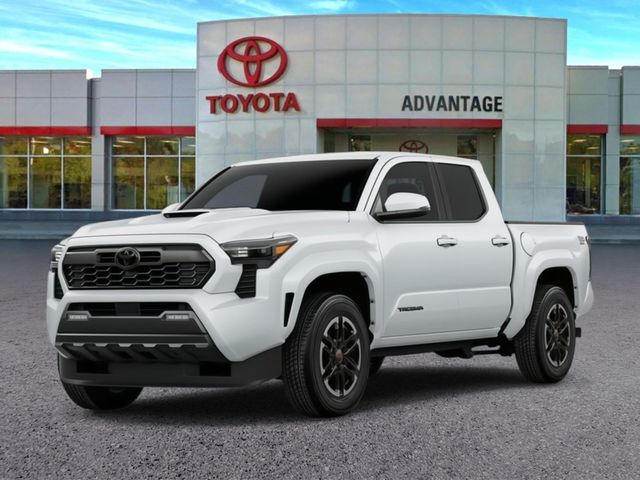
Leasing typically delivers lower monthly payments, predictable budgeting, and access to current safety and infotainment technologies. Leased vehicles are generally covered by warranty for the term, which reduces unexpected repair expenses.
These benefits make leasing a sensible option for Valley Stream drivers who prioritize affordability and access to modern features.
Who benefits most? Commuters who prefer predictable monthly expenses, drivers who value up-to-date safety and connectivity, and households that anticipate changing vehicle needs often find leasing well suited to their priorities. Leasing allows careful budgeting while keeping access to factory warranties and dealer service networks.
Advantage Toyota offers flexible lease lengths and several mileage options to suit different driving patterns and budgets. Customers can choose terms that match their anticipated use and financial goals.
These choices let customers match lease terms to their budgets and driving needs.
Lease structures commonly include choices for annual mileage and the option to purchase additional miles at signing. Customers should review wear-and-tear guidance up front and discuss how trade-ins or equity in a current vehicle may affect the new lease terms.
Comparing leasing and purchasing a Toyota vehicle highlights critical differences in ownership, financial obligations, and other practical aspects. Understanding these differences can help potential buyers make informed decisions regarding their transportation needs.
| Aspect | Leasing | Purchasing |
|---|---|---|
| Ownership | No ownership, vehicle returned | Full ownership after payments |
| Monthly Payments | Generally lower | Higher due to financing terms |
| Mileage Limitations | Subject to lease agreement | No restrictions once owned |
| Long-term Costs | Lower initial costs | Higher overall investment |
The table demonstrates leasing’s financial advantages for drivers seeking lower upfront costs and predictable payments.
Choosing between leasing and buying often comes down to how long you plan to keep a car, how much you drive, and whether long-term ownership costs versus short-term affordability matter more. Buyers who expect to keep a vehicle beyond typical loan terms generally favor purchasing, while those who want regular updates and lower near-term expense may prefer leasing.
Leasing in Valley Stream reduces monthly costs and simplifies vehicle access, giving residents a practical alternative to ownership.
These benefits support both new and returning Toyota customers in making cost-aware, flexible vehicle decisions.
Local convenience matters: leasing through a nearby dealer like Advantage Toyota can streamline service visits, inspections, and lease-end trade-ins. Familiarity with local market conditions and inventory often makes it easier to find short-term specials that match seasonal demand.
Leasing typically yields lower monthly payments than buying due to different financial structures. When leasing, customers generally pay for the vehicle's depreciation during the lease period rather than its total value.
Paying for depreciation rather than the vehicle’s full value explains why lease payments are typically lower, making leasing an economical option for many Valley Stream drivers.
Beyond monthly payment math, lessees should account for taxes, registration, and potential fees in their monthly budget. Comparing a lease quote to a finance quote side-by-side—factoring in residual value and possible incentives—helps reveal the true monthly and total costs for the intended ownership period.
Flexibility is a hallmark of Toyota leasing compared to ownership. For many consumers, this flexibility makes leasing an attractive alternative.
Leasing offers adaptable terms and mileage choices that better match changing lifestyles than long-term ownership. Shorter commitments let drivers change vehicles as needs evolve, and the option to upgrade at lease end keeps drivers connected to current automotive technology.
If your needs change—such as a new commute, family expansion, or a desire for updated safety systems—leasing makes it easier to transition between vehicles without the hassle of selling a used car. That adaptability is one reason many drivers choose to lease multiple times over several years.
Evaluating leasing deals against purchasing offers reveals significant insights into the financial landscape of automotive purchasing in Valley Stream.
Considering lease costs, dealer incentives, and long-term expenses helps determine whether a lease or a purchase is the more appropriate choice.
When comparing specific offers, look at the money factor, residual value, and included services. Ask the dealer for a full breakdown of fees and incentives and compare that with an APR loan example for the same vehicle and period to understand the relative advantages.
For those considering leasing a Toyota from Advantage Toyota, current lease specials offer an opportunity to lease a vehicle at an excellent price.
Local lease specials and seasonal incentives can improve affordability for Valley Stream residents.
To take advantage of specials, confirm eligibility requirements, verify offer expiration dates, and ask the dealership to spell out the final out-the-door price. Timing promotions with inventory cycles or end-of-period sales sometimes yields the most favorable terms.
Comparing the costs associated with leasing a new or used Toyota versus purchasing provides insight into the financial benefits of leasing.
For budget-conscious buyers, leasing can enable access to newer vehicles without the larger initial expense of buying.
Used vehicles can reduce monthly payments when bought outright, but leasing typically focuses on new models where residuals are more predictable. If you’re weighing a used purchase against a new lease, compare expected maintenance and resale risk against the stability of a lease warranty and known end-of-term options.
Understanding financing and credit options is critical for those who wish to lease a Toyota vehicle. Several alternatives exist that suit various credit situations and financial plans.
These financing and credit pathways are structured to include a broad range of consumers and clarify payment expectations.
Prepare documents such as a valid driver’s license, proof of income, recent pay stubs, and proof of residence to streamline pre-approval. Discussing a target monthly payment and desired mileage with a finance specialist ahead of time helps the dealer tailor offers to your situation.
Navigating credit requirements is essential for anyone considering leasing a Toyota.
Clarifying credit expectations and seeking pre-approval strengthens a consumer’s position when negotiating lease terms.
If your credit profile is limited, options may include a co-signer, a larger initial payment, or special credit programs the dealership offers. Discuss available pathways openly with the finance office to find a solution that fits your budget while meeting lease requirements.
Advantage Toyota is committed to supporting local residents in securing favorable financing options. By fostering established partnerships with financial institutions, Advantage Toyota provides competitive rates and valuable resources to their customers.
Advantage Toyota combines local lender relationships, financing tools, and personalised support to help customers secure suitable lease terms.
Customers benefit from in-person consultations with finance managers who can run multiple scenarios—different lease terms, mileage limits, and incentives—to show how each change affects monthly payments and total out-of-pocket costs.
At the end of a lease term, consumers should be aware of the return requirements and options available to them.
Familiarity with return conditions, mileage limits, and purchase options reduces surprises and helps plan for lease-end costs.
Dealers often offer an inspection process before the lease end to identify potential charges and give customers time to address minor items. Understanding inspection timelines and scheduling a pre-return check can reduce unexpected end-of-lease expenses.
Mileage limits are an essential consideration in the leasing process, governing the usage of the vehicle during its leased period.
Reviewing mileage allowances and potential excess charges is essential to align a lease with expected driving habits.
If you anticipate higher mileage, ask about higher-mileage lease options at signing; buying miles up front is often cheaper than paying excess charges later. Keep a simple mileage log and include projected travel when negotiating the original agreement.
Once a lease concludes, customers in Valley Stream have several options for their next steps.
These standard end-of-lease choices let drivers select the outcome that best fits their needs and finances.
Before deciding, compare the vehicle’s current market value to the lease buyout price to determine whether purchasing makes financial sense. If you plan to lease again, discuss loyalty incentives or loyalty programs the dealer may offer returning lessees.
Leasing aligns particularly well with the trends of the model releases, showcasing Toyota's commitment to innovation.
Leasing supports access to the newest model updates while limiting long-term financial exposure for both drivers and dealers.
New model cycles often bring updates to driver assistance systems, connected services, and interior tech. Leasing allows drivers to sample these advances without a long-term commitment, and dealers typically structure lease offers to reflect new-model residual expectations.
Leasing new models offers unique advantages that cater to a well-informed consumer base.
Leasing new models offers cost-effective access to advanced features without the long-term depreciation risk of ownership.
Leasing a newly released model can also simplify access to factory-installed options and packages that might be expensive to add later. For drivers who prioritize the latest safety features and infotainment systems, a short-term lease tends to be an efficient way to stay current.
Leasing extends significant advantages for those interested in Toyota's hybrid vehicle lineup.
Leasing makes hybrid technology more accessible by pairing modern fuel-saving systems with flexible terms and possible incentives.
Drivers curious about hybrid performance and fuel savings can test the vehicle through a standard lease term and then decide whether to return, buy out, or move to another hybrid or conventional model. This trial-style approach helps consumers evaluate real-world benefits before committing long term.
Leasing can be more cost-effective than buying in New York, particularly for upfront costs and monthly payments. Given the high taxes associated with vehicle purchases and generally lower lease interest rates, many Valley Stream residents may find leasing the more manageable financial option.
Tax situations and personal usage vary, so assessing local tax rules, insurance costs, and projected mileage will clarify the comparative advantage. For small business owners, lease accounting rules may also influence the decision; consult a tax professional for specific guidance.
Toyota lease payments are calculated based on the vehicle's depreciation over the lease term, commonly 36 to 48 months. Payments depend on the vehicle's market value, projected residual value, money factor or financing rate, and any applicable incentives. Warranty coverage typically reduces expected maintenance expenses, and leasing allows regular vehicle updates.
These FAQs clarify leasing mechanics and set realistic financial expectations for prospective lessees.
Compare your budget, annual mileage, and preference for ownership. Leasing offers lower monthly payments and reduced upfront costs for those who change vehicles frequently. Buying is often better for high-mileage drivers or those who prefer long-term ownership without mileage limits. Assess your priorities and financial situation to determine the best option.
Yes. Most Toyota leases include mileage caps, typically 10,000 to 15,000 miles per year, depending on the agreement. Exceeding these limits incurs per-mile penalties. You can often select higher mileage allowances at signing to match your expected use and avoid excess charges.
Major modifications that affect the vehicle’s condition are usually prohibited. Minor accessory additions may be permitted if they can be removed without damage. Confirm customization rules with your leasing agent to avoid return charges.
Ending a lease early may involve penalties or a buyout option at a predetermined price. Review your contract for early-termination terms and consult the dealership to explore alternatives that minimise costs.
Leasing can offer tax benefits, particularly for businesses and self-employed individuals who may deduct lease payments. State and local rules vary, so consult a tax advisor to determine applicable benefits in New York.
Have repairs performed at an authorized dealership. Warranty coverage commonly applies to mechanical failures during the lease term; accident or neglect-related damage may not be covered. Refer to your lease and warranty documents for specific responsibilities.
Lease transfers or assumptions can be an option subject to approval by the leasing company and qualification by the new lessee. Fees and approval requirements vary; discuss the process with your leasing agent for guidance.
