Key Takeaways
- Leasing a Toyota offers lower monthly payments compared to purchasing, making higher-end models more affordable.
- Toyota leases typically last 36 to 39 months, allowing drivers to upgrade to newer models frequently.
- Most Toyota leases include warranty coverage, reducing repair costs and providing peace of mind.
- New York residents can access competitive Toyota lease specials with affordable monthly rates and down payments.
- Leasing agreements impose mileage limits, and exceeding them can result in additional fees for lessees.
- At lease end, lessees can return the vehicle, extend the lease, or buy out the car based on financial considerations.
- Leasing provides tax advantages in New York, such as deducting sales tax on monthly payments for qualifying lessees.
- Advantage Toyota offers tailored financing and maintenance services to support lessees throughout their lease term.
- Leasing Toyota vehicles enhances flexibility and convenience, especially for cost-conscious drivers in urban areas like New York.
Use this guide to quickly evaluate whether leasing aligns with your budget, driving patterns, and mobility goals. The sections below unpack each point in practical detail so you can compare leasing vs. buying with confidence.
Advantages of Leasing:
Leasing a Toyota delivers several practical benefits compared with buying a vehicle outright. Understanding how those benefits translate into everyday ownership experience will help you choose the right path.
- Lower Monthly Payments: Monthly payments for a lease are typically lower than those for financing a purchase, allowing you to drive a higher-end model for less money. Lower payments free up monthly cash flow and may let drivers budget for additional insurance, options, or savings.
- Access to Newer Models: Leasing often means driving a new car every few years, which lets you enjoy the latest technology, safety features, and fuel efficiency. If you like updated infotainment, safety packages, or improved fuel economy on a regular cycle, leasing delivers that access without the hassle of selling a used car.
- Included Warranty Coverage: Most leases last through the manufacturer warranty period, minimizing potential repair costs and offering peace of mind. Under-warranty repairs and scheduled maintenance for the covered period typically reduce unexpected out-of-pocket expenses compared with long-term ownership.
- Flexibility: At the end of the lease term, you can simply return the vehicle, making it easier to change cars based on your needs. If your household changes or your commuting patterns shift, leasing removes the long-term commitment of ownership and lets you choose a different model or vehicle type at renewal.
These benefits make leasing an appealing option for drivers who want newer vehicles and predictable costs without a long-term ownership commitment. For many urban commuters and people with technology-driven preferences, the combination of lower monthly cost and frequent upgrades can be compelling.
Current Toyota Lease Specials in New York
New York drivers can access a range of competitive lease specials designed to lower monthly costs and reduce initial outlay. The offers below represent current terms that may suit different budgets and preferences.
| Vehicle Model | Lease Price | Terms |
|---|
| Toyota Corolla LE | $198/month | 39 months with $3,995 down |
| Toyota RAV4 LE AWD | $257/month | 39 months with $3,995 down |
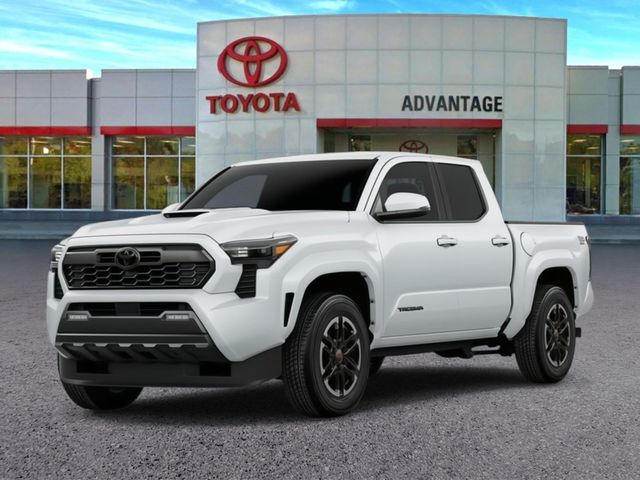
| Toyota Tacoma SR5 4x4 Double Cab | $267/month | 36 months with $3,995 down |
These specials offer New York residents a cost-effective way to lease a reliable Toyota with predictable monthly payments. When evaluating specials, confirm whether the advertised price includes or excludes sales tax, registration, acquisition fees, and any dealer-specific charges. Many offers quote monthly payments based on specific credit tiers and may require that certain conditions be met to qualify.
When comparing deals, consider the total cost over the lease term (monthly payment × months + down payment + fees + estimated end-of-lease charges) rather than focusing solely on the headline monthly price. That approach gives a clearer picture of the true outlay and helps you compare leasing against financing or buying used.
Important Considerations for Potential Lessees:
Prospective lessees should review several key factors before signing a lease agreement. Taking time to understand these items will reduce surprises and help you choose terms that match your usage.
- Mileage Limits: Leases typically impose annual mileage limits, which can result in additional fees if exceeded. Estimate your annual driving and select a mileage allowance that reflects commuting, weekend trips, and any predictable seasonal driving.
- Wear-and-Tear Fees: Lessees may incur charges for excessive wear and tear on the vehicle, making it essential to maintain the car in good condition. Small cosmetic damage, missing items, or neglected maintenance can add up at lease return, so tracking care and repairs during the lease is important.
- No Equity: Unlike purchasing, leasing means you do not build equity in the vehicle, which can be a significant factor for long-term financial planning. If you prefer ownership as an investment or plan to keep a vehicle beyond the warranty, financing may be a better fit.
- End-of-Lease Options: Familiarize yourself with options at the lease's end, including purchasing the vehicle, returning it, or potentially extending the lease. Knowing the residual value and the buyout process helps you evaluate whether buying at the end is advantageous.
Knowing these considerations helps prospective lessees plan expenses and select lease terms that match their driving habits and financial goals. Keep documentation of routine maintenance and any approved repairs, as good records can reduce disputes over condition at return.
What Are the Financial Benefits of Leasing a Toyota Compared to Buying?
Leasing a Toyota often delivers financial advantages that can make it preferable to buying for many customers. The primary financial differences stem from how monthly payments are calculated and which costs are transferred to the lessee versus the owner.
Leasing generally produces lower monthly payments because payments cover the vehicle’s depreciation during the lease term rather than the full purchase price. Leasing also reduces upfront costs, enabling access to newer vehicles with less initial cash outlay. Additionally, shorter lease cycles mean you are less likely to incur high repair bills that often arise as cars age beyond warranty coverage.
How Do Monthly Payments Differ Between Toyota Leasing and Financing?
Leasing payments are calculated primarily on expected depreciation, plus interest and fees. Financing payments cover the full purchase price plus interest, which typically results in higher monthly costs. Residual value—the vehicle's estimated worth at lease end—plays a major role in calculating lease payments: higher residuals usually mean lower monthly payments.
For example, a $25,000 vehicle may cost about $400 per month to finance but only $250 per month to lease. This difference can allow drivers to choose a higher-trim model or allocate funds to other priorities. When comparing quotes, ask for the breakdown: capitalized cost, residual value, money factor or interest equivalent, fees, and taxes. Seeing the numbers helps you understand which elements drive the price and where negotiations may be possible.
What Tax Advantages and Incentives Are Available for Toyota Leases in New York?
New York offers tax and incentive structures that can improve the financial case for leasing. Lessees may be able to pay sales tax on monthly payments rather than the full vehicle price, and business lessees may deduct qualified lease payments. Reviewing local tax rules can reveal further savings opportunities. For business users, properly documenting usage and consulting a tax advisor helps ensure lease payments are deducted in line with current rules and eligibility requirements.
Which Toyota Lease Specials and Deals Are Available for New York Residents?
New York residents can access a variety of lease specials that address different budgets and vehicle preferences. Offers change regularly, and local dealerships often add dealer-specific incentives to national programs.
- Highlighted Lease Offers: Advantage Toyota features competitive lease terms across an array of popular models. These programs are designed to appeal to commuters, families, and drivers seeking fuel-efficient or all-wheel-drive options.
- Specific Terms: Lease agreements generally have a mileage limit ranging from 10,000 to 15,000 miles per year. Choosing a higher allowance at the start of the lease often increases monthly payments modestly but can reduce expensive overage fees at lease end.
- Expiration Dates for Offers: Many lease specials are time-sensitive, so potential lessees should act quickly to secure the best rates available. Ask the dealer for the offer expiration and the exact qualification criteria to avoid surprises.
What Are the Current Affordable Toyota Lease Offers at Advantage Toyota?
Advantage Toyota currently lists several lease offers on popular models. For example, the Toyota Corolla LE is $198/month for 39 months with $3,995 down, and the Toyota RAV4 LE AWD is $257/month for the same term and down payment. These terms deliver predictable monthly costs and access to dependable vehicles. Be sure to confirm whether those offers require specific credit tiers, trade-ins, or other qualifying conditions.
How Do Local Toyota Lease Deals Compare to National Offers?
Local dealer offers can include extra incentives or dealer-specific promotions that are not part of national campaigns. Advantage Toyota tailors certain lease terms and promotions to local market needs, which can yield better value for New York customers. When comparing, request full written quotes from both local and national offers to check included fees, required down payment, and any dealer add-ons that affect the total cost.
How Does the Toyota Lease Program Work: Terms, Mileage, and Fees Explained
Toyota’s lease program defines clear terms that specify financial obligations, mileage limits, and potential fees for lessees. Knowing how each element is calculated helps you make informed decisions and avoid unexpected charges.
Standard lease durations are typically 36 to 39 months, which fits many drivers who prefer regular vehicle updates. Annual mileage allowances commonly range from 10,000 to 15,000 miles, and exceeding those limits may result in per-mile charges at lease-end. Reviewing the lease terms in advance reduces the risk of unexpected costs.
At lease initiation you will typically see an acquisition fee and possibly a capitalized cost reduction labeled as a down payment. Monthly payments reflect depreciation minus residual value and the financing charge. During the lease, maintain the vehicle according to the manufacturer schedule to minimize wear-and-tear charges at the end.
What Are the Typical Lease Term Durations and Mileage Limits for Toyota Vehicles?
Most Toyota leases run for 36 or 39 months, balancing access to new vehicles with manageable term lengths. Leases may also be available in shorter or longer terms—commonly ranging between 24 and 48 months—to suit particular preferences or special programs.
- Typical Lease Lengths: Leases usually last between 24 to 48 months.
- Mileage Limits Explained: Common mileage limits are set at 10,000 to 15,000 miles per year, with excess miles incurring charges. If you drive substantially more than average, consider increasing the mileage allowance up front to avoid per-mile penalties later.
- Consequences of Exceeding Mileage: Exceeding the allocated mileage can lead to significant fees, typically $0.15 to $0.25 per mile over the limit. These charges are applied at lease-end and can add up quickly for drivers who underestimate their annual mileage.
What Fees Should Lessees Expect During and After a Toyota Lease?
Lessees should expect several standard fees during and after a lease, including acquisition fees, disposition fees, and mileage overage charges. Additional fees may apply for registration, taxes, and optional services or packages.
- Acquisition Fees: Charged at the beginning for setting up the lease. This fee covers administrative costs and is often either paid up front or rolled into the monthly payment.
- Disposition Fees: Fees that may apply when returning the vehicle at the end of the lease. The disposition fee covers inspection and resale preparation of the returned vehicle and is sometimes waived by dealers that offer special return programs.
- Mileage Overage Charges: Costs associated with exceeding the agreed mileage limit. These are calculated by multiplying the excess miles by the per-mile rate defined in your contract.
Identifying these fees in advance helps lessees set an accurate budget and avoid surprises at lease-end. Always ask for a clear, itemized estimate that shows how each fee is applied so you can compare offers fairly.
What Options Exist for Toyota Lease Returns and Buyouts?
At lease end, lessees may return the vehicle, extend the lease, or exercise a purchase option depending on the agreement. Each option has financial and practical implications, so plan ahead and determine which choice aligns with your priorities.
- Returning the Lease: Lessees can return the vehicle to the dealership and end their financial obligation. Before return, schedule a pre-inspection to identify potential wear-and-tear items that can be repaired affordably.
- Options for Extending or Purchasing: Depending on the lease terms, there may be opportunities to extend the lease or purchase the vehicle. If the buyout price is lower than market value and the vehicle is in good condition, purchasing the car can be a reasonable option.
- Required Documents: Lessees should prepare necessary documents, such as their lease agreement and proof of identity, when returning the vehicle. Having maintenance records and any repair receipts available can expedite inspections and reduce disputes.
How Can Lessees Return or Extend Their Toyota Lease in New York?
The process to return or extend a Toyota lease is straightforward and designed for convenience. Contact your dealership ahead of time to arrange the return, review the end-of-lease inspection checklist, and understand any final billing processes.
- Items Required at Lease Return: Ensure that necessary documents are ready, including your lease agreement and registration.
- Early Trade-In Processes: Some dealerships may offer options for early trade-ins, which can be financially advantageous. Discuss trade-in values and how remaining lease obligations will be handled before committing to an early return.
- Returning Vehicles from Different Dealerships: Ensure that the return policy allows for vehicles to be returned to any allied dealership. If returning to a different location, confirm the receiving dealer’s process and any required authorization.
What Are the Financial Considerations for Buying Out a Toyota Lease?
Evaluating a lease buyout requires reviewing the vehicle’s residual value, any applicable fees, and the total cost compared with continuing the lease. Consider the vehicle’s condition, expected future maintenance, and market prices for comparable used vehicles.
- Understanding Purchase Option Pricing: Lessees should clearly understand the vehicle's residual value and any additional fees that may apply. Request a written buyout quote and confirm whether taxes and fees are included.
- Comparing Against Lease Continuation: Analyze the total cost of buying out the vehicle versus continuing the lease for another term. If you plan to keep the car long term, calculate expected maintenance and ownership costs to determine if buyout makes financial sense.
- Equity Evaluation: Assess whether buying the vehicle makes sense based on its condition and prevailing market value. If the market value exceeds the buyout, purchasing can be a good deal; if not, returning the vehicle may be preferable.
What Are the Common Questions about Leasing a Toyota?
Prospective lessees commonly seek clarity on costs, eligibility, and the specific benefits of Toyota lease programs. The answers below provide practical context for everyday decisions and lease management.
- Clarifying Common Misconceptions: Many people incorrectly assume that leasing is always more expensive than purchasing. Leasing can be less costly month-to-month, though it does not build ownership equity.
- Elaborating on Qualifying Criteria: Understanding the financial criteria for leasing approval is crucial for prospective lessees. Lenders assess credit history, income stability, and payment-to-income ratios.
- Detailing Benefits Unique to Toyota: Toyota’s leasing programs often provide unique benefits that other manufacturers may not offer, including broad dealer networks and access to certified service facilities.
Is Leasing a Toyota More Advantageous Than Buying for Cost-Conscious Buyers?
For budget-minded buyers, leasing can be a more affordable option due to lower upfront costs and reduced monthly payments. Leasing often lowers initial cash requirements and keeps monthly payments more predictable. In addition, warranty coverage during the lease term can limit out-of-pocket maintenance expenses.
If your priority is minimizing monthly cost and enjoying periodic upgrades, leasing frequently offers the best balance. If you prefer to drive a vehicle for many years without recurring payments, buying may be the better long-term financial choice.
What Credit Qualifications Are Needed for Toyota Lease Approval?
Lease approval typically requires meeting specific credit and income criteria. Lenders look for a history of on-time payments, reasonable debt levels, and sufficient income to cover monthly obligations.
- Credit Report Expectations: A solid credit score is essential, typically above 680, to secure favorable lease terms. Scores below that may still qualify but could yield higher rates or require a larger down payment.
- Income Verification Requirements: Lessees must demonstrate stable income levels to afford the monthly payments comfortably. Bring recent pay stubs, tax returns, or other proof of income when applying.
- Additional Eligibility Criteria: Lease approval may also consider past leasing experiences and overall financial health. Some programs allow for co-signers or additional documentation to support approval for applicants with limited credit history.
Why Do Customers Prefer Leasing Toyota Vehicles in New York?
New York customers often choose leasing for practical reasons related to cost, convenience, and access to new models. City driving, varied weather, and the desire for reliable transportation influence many leasing decisions.
- Low Payments and Maintenance Costs: The combination of reduced monthly payments and manufacturer coverage makes leasing attractive. Lower repair exposure during warranty periods is particularly appealing to drivers who want predictable ownership costs.
- Convenience and Access to Newer Models: Customers appreciate the ability to drive the latest models equipped with cutting-edge technology. Regular lease cycles simplify keeping current with safety and convenience features.
- Promotions Available for New York Customers: Local incentives and promotions often provide exceptional value to those leasing in this region. Dealerships may structure offers around local demand to increase competitiveness.
What Do Recent Studies Say About Toyota Lease Satisfaction Rates?
Studies report that many Toyota lessees express high satisfaction with their lease experience.
- Customer Satisfaction Statistics: Surveys reveal that around 90% of Toyota lessees report satisfaction with their leasing experience.
- Comparative Data with Other Brands: Toyota consistently rates among the top brands for lease satisfaction, often beating its competitors.
- Long-Term Customer Loyalty Trends: Many leasers transition to repeat lessees when satisfied with their leasing experience, fostering brand loyalty.
How Does Leasing Enhance Flexibility and Convenience for New York Drivers?
Leasing supports flexibility and convenience for drivers who require predictable costs and the option to change vehicles regularly. It suits people whose commuting patterns or household needs change over time.
- Lower Upfront Costs: This aspect allows customers to minimize their initial investments and allocate resources elsewhere, such as housing or business expenses.
- Increased Options for City Dwellers: Given the city’s dynamic nature, the ability to change vehicles frequently aligns well with urban lifestyles and evolving transportation needs.
- Reduced Long-Term Commitment: By leasing, customers can enjoy new vehicles without the burden of long-term ownership, simplifying transitions when life circumstances change.
How Does Advantage Toyota Support Lessees Through Financing and Service Options?
Advantage Toyota offers financing tools and service programs intended to simplify leasing and support lessees throughout the term. Understanding the available support resources helps you manage the lease efficiently from application through return.
What Financing Programs Complement Toyota Lease Deals at Advantage Toyota?
Advantage Toyota provides financing and pre-approval resources to assist lessees with different credit profiles and needs. Pre-approval and transparent quoting save time at the dealership and clarify expected terms before negotiating.
- Pre-Approval Tools: The dealership offers easy pre-approval processes to streamline leasing applications. Getting pre-approved helps you shop with a clear budget and strengthens your negotiating position.
- Tailored Financing Options: Financing programs cater to different credit situations, making it accessible for more individuals. Discussing options with a finance specialist helps align terms with your financial goals.
- Support for Various Credit Situations: Advantage Toyota understands diverse financial backgrounds and strives to accommodate potential lessees. Ask about qualifying programs or documentation that can improve approval chances.
How Can Lessees Schedule Maintenance and Service at Advantage Toyota?
Lessee maintenance can be scheduled through Advantage Toyota’s service department, which provides flexible appointment times and standard maintenance services. Regular, manufacturer-recommended maintenance preserves warranty coverage and helps avoid wear-and-tear charges at lease end.
- Availability of Service Appointments: The dealership provides flexible scheduling options to suit lessees' busy lives. Book service in advance and keep maintenance records to simplify lease return inspections.
- Types of Maintenance: Lessees can access routine services like oil changes, tire rotations, and inspections at competitive rates. Following scheduled maintenance helps maintain vehicle condition and resale value.
- Promotions for Lessees: Advantage Toyota frequently offers special maintenance deals for those who lease, ensuring that vehicles remain in top condition at minimal costs. Check for seasonal service coupons or bundled maintenance packages.
Frequently Asked Questions
What are the typical fees associated with leasing a Toyota?
Lessees should expect acquisition fees at lease initiation, disposition fees at lease return, and mileage overage charges if the agreed mileage is exceeded. Reviewing the lease agreement will identify any additional fees specific to the contract. Ask the dealer for an itemized estimate that includes taxes and registration to avoid surprises.
Can I modify a leased Toyota vehicle?
Modifying a leased vehicle generally requires prior approval from the leasing company. Unauthorized alterations can lead to fees or reduce the vehicle’s buyout value. Lessees should return the vehicle in its original condition, allowing for normal wear and tear. If you anticipate modifications, discuss options with the leasing company before making changes.
What happens if I need to terminate my Toyota lease early?
Early termination can incur fees and other charges. Lessees should consult their lease agreement to understand specific penalties and available alternatives, such as lease transfer or dealership-assisted trade-ins, which may require approval and carry costs. In some cases, rolling outstanding lease obligations into a new lease or purchase may reduce immediate penalties, but always confirm terms in writing.
Are there mileage options available beyond the standard lease limits?
Yes. Lessees can often negotiate higher annual mileage limits at the start of the lease for an additional fee or purchase extra miles upfront. Selecting the appropriate mileage allowance based on driving habits reduces the risk of overage charges later. If your driving increases during the lease, contact the leasing company early to explore options.
How does leasing affect my credit score?
Timely lease payments can support a positive credit history, while missed or late payments can harm credit scores. The lease is reported as credit on many reports, and total credit utilization may influence overall credit standing. Treat a lease like any other loan: on-time payments help build and maintain creditworthiness.
What should I do if my leased Toyota needs repairs?
First verify whether the repair is covered by the manufacturer warranty. If covered, contact the dealership to schedule service. Most routine maintenance and warranty repairs during the lease term are handled according to the lease and warranty terms. For non-warranty items, keep receipts and documentation for potential lease-return discussions.