

By Advantage Toyota, Advantage Toyota of Valley Stream. Leasing a Toyota offers clear advantages for prospective buyers in New York. The decision between leasing and purchasing affects finances, daily use and long‑term flexibility. This article outlines the benefits of leasing, explains how leasing differs financially from buying, and summarises current Toyota lease deals, incentives and cost factors to help you make an informed financing choice. Many consumers weigh multiple factors when choosing to lease or buy. Leasing can deliver lower monthly payments and regular access to newer models while addressing maintenance and budgeting concerns. This article reviews the financial benefits of leasing, available lease incentives, comparative total costs, and maintenance and service options—highlighting local offers from Advantage Toyota in Valley Stream, NY. Throughout, we include practical considerations and decision points to help you align lease terms with your driving habits and financial goals.
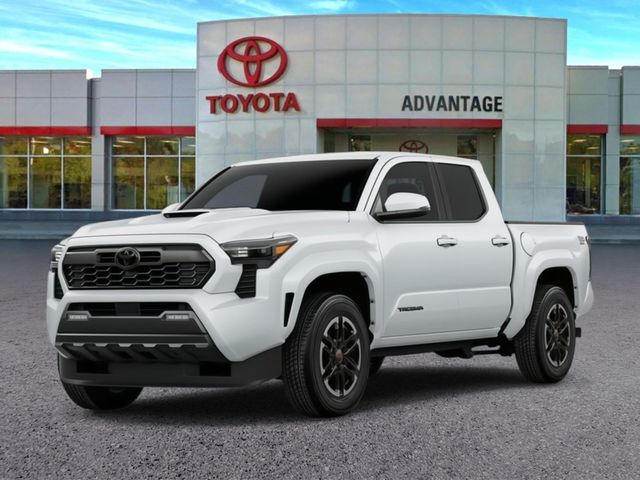
Leasing a Toyota can be particularly well suited to New York drivers. The structure of lease agreements often aligns with urban driving patterns and budgetary priorities. For example, drivers who primarily use a vehicle for commuting within a city or who prefer not to manage long‑term ownership responsibilities may find leasing especially convenient.
These features frequently make leasing an attractive, practical option for buyers who prioritise predictable costs and up‑to‑date vehicle technology. They also simplify budgeting because many variable repair costs are reduced or eliminated while the vehicle remains under warranty.
Financial trade‑offs between leasing and buying can materially affect your total cost of ownership. Leasing typically lowers monthly payments and initial cash outlay, which can improve short‑term cash flow. Evaluating both near‑term and longer‑term impacts helps you choose the option that fits your circumstances.
Leasing generally requires a smaller down payment than purchasing. This preserves capital for other uses, such as savings or investments, instead of allocating it to vehicle equity. For people who prefer to keep liquid funds available or who have competing financial priorities, leasing can be an efficient allocation of resources.
In some jurisdictions, sales tax on a lease may apply only to monthly payments rather than the full vehicle price. This can reduce upfront tax costs and improve monthly affordability. If the vehicle is used for business purposes, a portion of lease payments may be deductible depending on local tax rules and the percentage of business use—consult a tax professional for personalised guidance.
Leasing often provides predictable, shorter‑term commitments with the option to purchase at lease end. Advantage Toyota offers financing and leasing solutions designed to fit different financial goals. When considering long‑term cost, factor in total payments across multiple lease cycles versus the one‑time purchase and maintenance of a vehicle you own for many years.
Lower monthly payments are a primary financial advantage of leasing. They make it easier to budget for a newer vehicle while preserving spending flexibility. Lower monthly obligations can also make higher trim levels or optional packages more accessible within the same monthly budget compared with financing a purchase.
Lease payments are typically calculated on the vehicle’s expected depreciation during the term, which usually produces lower monthly amounts than loan payments for purchase financing. Because you pay for depreciation rather than the full value, leases often reduce the portion of the vehicle cost you cover each month.
Leases often require only the first monthly payment, a modest down payment and applicable taxes at signing, reducing the initial financial barrier compared with purchasing. This structure can be helpful for those who prefer to avoid tying up larger sums in an auto purchase at the outset.
Shorter lease terms and lower entry costs enable drivers to update vehicles more often and adjust to changing needs without long‑term commitment. This flexibility benefits people whose vehicle needs change frequently, for example due to family growth or job changes that alter commuting needs.
Toyota and local dealerships frequently publish lease incentives to improve affordability on specific models. Current promotions vary by model and location. When reviewing incentives, look at the full lease structure—not just the monthly payment—to understand down payment, term length and included mileage.
Reviewing these specials can identify short‑term savings opportunities in a competitive market such as New York. Be sure to confirm eligibility requirements, model availability, and any additional fees or taxes that apply at signing.
A thorough cost comparison should include monthly payments, projected maintenance, taxes and the long‑term value of ownership. This analysis clarifies which option best fits your financial objectives. Building a simple comparison table for your own use—tracking upfront costs, monthly obligations over a comparable period, likely maintenance and estimated resale or residual value—can help visualise the difference.
Leases commonly yield lower monthly payments than purchase loans, which can relieve monthly budget pressure and improve cash flow. When comparing, align terms (e.g., 36‑month lease vs 36‑month loan) to keep assumptions consistent.
Purchasing builds equity over time and may be more economical for long‑term ownership, while leasing provides short‑term flexibility and predictable costs. If you plan to keep a vehicle well beyond the amortisation period, ownership typically spreads the vehicle cost across more years and can lower average annual expense.
Leased vehicles often remain under warranty for the lease term, which can lower maintenance expenses compared with older, owned vehicles. Evaluate expected service intervals beyond warranty coverage for purchase scenarios to estimate potential out‑of‑pocket maintenance over time.
Comparing total costs requires accounting for upfront payments, monthly obligations, maintenance, taxes and the vehicle’s residual value at term end. Include potential end‑of‑lease charges, insurance differences and the resale or trade‑in value of a purchased vehicle to arrive at a comprehensive comparison.
Leases generally require smaller upfront sums than purchases, making them more accessible for buyers who prefer to minimise initial spending. For purchases, down payments and fees can add substantially to initial outlay but reduce financed amounts and long‑term interest cost.
Over multiple years, buying may be more cost‑effective if you retain the vehicle beyond loan payoff; leasing can be preferable for those prioritising shorter commitments and regular updates. Consider building a multi‑year projection that includes likely trade‑in or resale values for purchases and repeated lease cycles if you plan to lease continuously.
Purchasing results in eventual ownership and no return requirements, whereas leasing requires attention to end‑of‑term return procedures and potential charges for excess wear or mileage. The administrative responsibilities at lease end—inspection scheduling, potential repairs, and deciding whether to buy or renew—are part of the cost and time considerations for leasing.
Mileage allowances and lease terms directly affect the total cost and suitability of a lease for your driving patterns. Choosing the correct mileage package up front often avoids expensive overage fees at lease end.
Exceeding contracted mileage typically triggers per‑mile fees. Estimating annual mileage accurately can prevent unexpected charges at lease end. If you anticipate temporary changes to driving patterns—such as a long trip or a new commute—discuss options to adjust allowances before signing.
Selecting a lease with appropriate mileage limits helps avoid overage fees and preserves the lease’s intended value. Some drivers choose slightly higher mileage plans to provide a buffer and peace of mind, while those with very low mileage may negotiate lower monthly payments tied to reduced allowances.
Certain leases permit adjustments to terms or mileage allowances for an added fee, allowing a closer fit to changing driving needs. Reviewing change options and fees during negotiation gives you a clearer picture of how adaptable the lease will be if your circumstances shift.
Searching for lease specials near Valley Stream can reveal locally tailored offers and promotional terms that improve affordability. Dealers sometimes provide targeted offers based on local demand, inventory, and seasonal promotions.
Advantage Toyota regularly features promotional lease offers on popular models to reflect local demand and inventory levels. Check the dealership’s website or contact the sales team for the most current availability and any limited‑time incentives.
Local factors, including demand and supply dynamics, influence available lease terms and incentives. Awareness of these conditions can help you time and select the best offer. For example, dealers may be more motivated to discount remaining model‑year inventory or to promote newer, incoming models at certain times of the year.
Returning a leased vehicle follows defined steps designed to verify condition and conclude the lease while presenting options for next steps. Understanding the process ahead of time helps you prepare the vehicle and reduce surprises at inspection.
Near lease end, ensure the vehicle meets agreed condition standards and schedule a return inspection to avoid unexpected charges. The inspection typically evaluates exterior and interior condition, confirms mileage, and checks for missing equipment.
At term conclusion you may buy the vehicle, lease another model or explore alternative offers from the dealership. Compare the buyout price against current market values to determine whether purchasing represents good value compared with trading or leasing a different model.
Understand the lease’s conditions for vehicle wear and mileage; non‑compliance can result in additional fees at return. Typical areas of inspection include tires, glass, upholstery and any mechanical issues not covered under warranty. Addressing minor repairs or detailing before return can sometimes reduce assessed charges.
Preparing for lease end reduces surprises and streamlines the completion or transition to a new agreement or purchase. Start the process early so you have time to schedule inspections, obtain estimates for repairs if needed, and compare offers for your next vehicle.
Returning a vehicle normally requires an inspection appointment to assess condition against lease standards and identify any charges. The inspector will produce a report summarising findings and any recommended charges, which you can review with dealership staff.
Lessees frequently have the option to purchase the vehicle at a predetermined residual price, offering continuity if the vehicle meets their needs. If you enjoyed the vehicle and the buyout price is competitive with market rates, financing the purchase through the dealer or a third‑party lender is a common path.
Fees for excessive damage or mileage are possible; understanding these terms in advance helps you manage or avoid additional costs. Keeping documentation for routine maintenance and repairs performed during the lease can help resolve disputes and demonstrate reasonable care.
Buy‑out financing options are commonly available to lessees who decide to purchase their vehicle at lease end. Lenders may consider the residual value, vehicle condition and your credit profile when structuring a buyout loan.
At lease end, you can arrange financing to purchase the leased vehicle, allowing a straightforward transition to ownership without sourcing a different lender. Some buyers refinance through banks or credit unions if they can secure more attractive terms outside the dealership’s financing offerings.
Financing a post‑lease purchase can provide favourable terms when the vehicle’s market value aligns with its residual value, and it maintains continuity for the lessee. If the vehicle has been well maintained and suits your needs, buying can eliminate the cost and hassle of finding a replacement.
Dealership financing through Advantage Toyota and other local lenders can offer tailored pathways that simplify the purchase process after a lease. Compare offers from multiple lenders and account for interest rates, loan terms and any fees to find the best overall financing package.
Toyota leases typically include specific service and maintenance benefits designed to reduce ownership‑related uncertainty during the lease term. Knowing what is included helps you budget for any remaining out‑of‑pocket items.
Many Toyota leases include ToyotaCare, which covers scheduled maintenance for the first two years or 25,000 miles, whichever occurs first. These services generally include routine inspections and factory‑recommended maintenance tasks, helping keep the vehicle in good condition without surprise bills for covered items.
Toyota provides roadside assistance for two years with unlimited miles on most new leases, offering added support during the term. Roadside assistance can include services such as towing, lockout assistance and jump starts, which add convenience and peace of mind.
Review which routine services—such as oil changes and inspections—are covered under your lease to understand potential out‑of‑pocket costs. Confirm service intervals, parts coverage and whether consumables (like wiper blades) are included or excluded to avoid surprises.
Maintenance coverage reduces unexpected expenses and supports predictable budgeting over the lease term. It also helps ensure the vehicle is maintained according to manufacturer recommendations, which can reduce wear and preserve condition at return.
Included services allow lessees to allocate funds elsewhere, lowering the total cost associated with short‑term vehicle use. This is particularly helpful for drivers who prefer predictable monthly budgeting without worrying about intermittent service bills.
Warranty coverage on leased models minimises exposure to repair costs during the term, supporting reliable vehicle use. If mechanical issues arise that are covered, repairs are handled by authorised service centres using OEM parts and trained technicians.
The inclusion of maintenance and warranty benefits increases the overall value of leasing for drivers who prioritise low‑risk vehicle use. When combined with roadside assistance and dealership service networks, these benefits streamline ownership‑adjacent tasks like scheduling and record keeping.
Valley Stream lessees have local service options to maintain leased Toyotas with factory‑recommended care. Choosing an authorised service centre helps ensure covered services are properly recorded and that warranty requirements are satisfied.
Advantage Toyota, located at 400 W Sunrise Hwy, Valley Stream, NY 11581, provides comprehensive maintenance services for leased vehicles. Using the dealer for covered maintenance helps preserve lease documentation and simplifies coordination for any warranty repairs.
For service inquiries or to schedule an appointment, contact the Advantage Toyota service department at (516) 596-8381. Calling ahead or booking online can reduce wait times and ensure the appropriate technicians are ready for your vehicle.
Customers can schedule service through phone or online booking tools, providing convenient access to required maintenance. Ask the service advisor about loaner vehicles, shuttle service or courtesy transport options if you need mobility while your car is being serviced.
Key leasing benefits include lower monthly payments, regular access to new models and warranty coverage that mitigates repair risk during the lease. These combined features can simplify budgeting and reduce the unpredictability of vehicle ownership expenses.
Familiarise yourself with standard lease terms—mileage allowances, wear‑and‑tear guidelines and maintenance responsibilities—to avoid unexpected charges. Keep all service records and follow recommended maintenance to support favourable assessments at lease end.
Compare lease offers by reviewing monthly payments, mileage limits, upfront costs and included services to determine the best financial fit. Also consider the total cost over your intended usage period and factor in convenience elements like local service availability and dealer reputation.
Leasing suits drivers who prioritise lower monthly costs, predictable maintenance coverage and the option to renew into newer models periodically. For many drivers, the combination of flexibility and reduced maintenance exposure is a decisive benefit.
Leasing provides access to current models at lower monthly cost, with warranty protection and flexible term options that accommodate changing needs. If you value technology upgrades, predictable monthly budgeting and limited long‑term commitment, leasing is often a strong choice.
Leasing is appropriate for those who prefer frequent model updates, lower initial costs or predictable monthly budgeting, including professionals who travel regularly. It also appeals to individuals who want to avoid the resale process and the variability of used car maintenance.
Review lease offers from trusted dealers such as Advantage Toyota to identify terms that match your financial and lifestyle priorities. Ask for detailed breakdowns of fees and confirm all terms in writing before signing.
Advantage Toyota provides structured support throughout the leasing process, from initial consultation to finalising lease terms and ongoing service. Their teams can clarify contract language and help align available models with your needs.
Dealership staff guide clients through inquiries, model selection and contract details to ensure clarity and confidence in leasing decisions. Taking a walkthrough of lease documents with a sales or finance representative can help you spot any items that need clarification or negotiation.
Digital tools support vehicle research, comparison and preliminary finance estimates, enabling efficient decision‑making from home. Use online calculators and booking systems to prepare for in‑person visits and to streamline paperwork.
Personalised recommendations and transparent communication help tailor lease solutions to each customer’s needs and preferences. If you have special circumstances—such as fluctuating mileage needs or specific insurance requirements—discuss these with the dealer early in the process.
Leasing patterns and market data in influence consumer choices by highlighting demand shifts and evolving vehicle preferences. Awareness of these trends can help you time your lease and choose models likely to retain favourable residual values.
Data indicates growing interest in leasing among urban and younger buyers who prioritise technology access and shorter commitments. This shift encourages dealers and manufacturers to craft lease programs that appeal to these audiences with attractive monthly payments and feature packages.
Rising demand for hybrid and electric models is affecting manufacturer production and lease offerings across segments, including Toyota. If alternative powertrains are important to you, discuss availability and lease incentives for hybrid or electrified Toyota models with the dealer.
As supply chains stabilise, leasing provides a flexible way to access available vehicles while manufacturers adjust production to meet demand. Greater availability can mean more negotiating room on lease terms or more model options at local dealerships.
Recent studies show increased leasing activity in New York that mirrors national trends toward flexible, cost‑conscious vehicle use. Dense urban areas with higher turnover in resident populations often display stronger demand for shorter‑term vehicle solutions like leases.
Leasing demand is rising as consumers seek lower monthly costs and shorter commitments amid higher vehicle prices. For many city dwellers, leasing aligns with a preference for predictable monthly expenses and minimal long‑term ownership responsibilities.
Younger consumers increasingly prefer short‑term leasing, prompting automakers and dealers to expand suitable offers. These customers often prioritise connectivity features and modern safety systems, which leasing facilitates by making newer models more accessible.
Local adjustments to lease programs and promotions allow New York customers to benefit from competitive terms as market conditions evolve. Shopping across nearby dealerships and tracking local promotions can surface better timing and more favourable deals.
Flexible lease terms are being used to address availability and pricing shifts as the supply chain returns to steadier conditions. Dealers may offer more varied term lengths, mileage options or incentive combinations to match buyer preferences.
Stabilised production allows for more consistent lease offerings and improved inventory levels across model lines. That stability can reduce wait times and allow customers to choose from a broader selection without extended delivery windows.
Improved availability reduces wait times and increases options for lessees, enabling more choice within lease programmes. When inventory levels are healthy, dealers may be more willing to negotiate on capitalised cost and incentives to finalise sales.
Consumers often select leases with longer terms or higher mileage allowances to accommodate changing usage patterns and vehicle access. Alternatively, some choose to wait for specific model availability if a particular configuration or powertrain is a priority.
Advantage Toyota focuses on clear communication and customised guidance to make leasing straightforward and reliable for customers. Their approach emphasises explaining fees, terms and available services so buyers understand the full implications of any agreement.
The dealership provides detailed explanations of costs, terms and available options to support informed client decisions. Asking for an itemised document that lists all fees, taxes and the capitalised cost can help ensure transparency.
Dedicated staff and follow‑up resources help customers throughout the lease lifecycle, from selection to service. Maintaining open lines of communication with your service and sales contacts at the dealership can smooth future renewals or buyout decisions.
Clear disclosure of fees, mileage limits and end‑of‑lease options fosters trust and reduces the risk of unexpected charges. Before signing, request clarification on any unclear clauses and confirm how common situations—such as early termination or adding a named driver—are handled contractually.
Financing services at the dealership complement lease programmes by offering tailored solutions for different customer needs. These services can help lessees transition to ownership or structure a new finance plan when circumstances change.
Advantage Toyota provides multiple financing products that can support lease buyouts, trade‑ins and future purchase financing. Discussing options early helps you plan whether a lease buyout or a new finance arrangement will best meet your needs at term end.
Comparing available pathways—lease, loan or dealer financing—helps determine the most suitable option for your circumstances. Include interest rates, loan terms, monthly payment expectations and any fees when assessing offers from different lenders.
Consultative support from financing specialists helps lessees evaluate costs and structure options that align with their budgets. A finance advisor can run scenarios showing monthly payments, total payments and potential trade‑in values to aid your decision.
Accessible local service improves satisfaction by reducing downtime and ensuring timely maintenance for leased vehicles. Proximity to a trusted service centre also simplifies record keeping for lease compliance and warranty tracking.
Nearby service centres provide prompt maintenance and repairs, limiting inconvenience and travel time for customers. Timely service helps maintain vehicle condition and can reduce the cost of any required end‑of‑lease reconditioning.
Strong customer relationship practices enable dealerships to anticipate needs and deliver consistent, reliable service. Good follow‑up and reminders for scheduled maintenance help keep vehicles within recommended service windows, preserving warranty coverage.
Local engagement helps build loyalty and reinforces the dealership’s commitment to serving the community. Customers who feel supported by their local dealer often find the leasing and service experience more convenient and trustworthy.
Evaluate your financial position, expected driving distance and vehicle preferences. Leasing typically lowers upfront costs and monthly payments, making it suitable for those who prefer newer vehicles on a regular basis. Purchasing builds equity and may be more economical if you plan long‑term ownership. Match your driving habits and financial goals to the option that best aligns with them. Consider also how long you plan to keep a vehicle, how much you drive annually, and whether predictable monthly budgeting or eventual ownership is most important.
Customisation on leased vehicles is usually restricted. Major alterations can violate lease terms and lead to return charges. Minor, non‑permanent accessories such as floor mats or seat covers are generally acceptable, but always consult your lease agreement and dealer before making changes. If you want personalization, discuss whether certain reversible modifications are permitted and whether they must be removed before return.
Exceeding mileage limits typically results in per‑mile excess charges at lease end. These fees can be significant, so estimate annual mileage accurately before signing. Some leases allow you to purchase higher mileage allowances upfront to avoid later costs. If you expect a change in mileage needs, talk with your dealer about mid‑term adjustments or options to pre‑purchase additional miles.
Lease payment deductibility depends on vehicle use and local tax rules. If the vehicle is used for business, a portion of lease payments may be deductible. In some cases, sales tax applies only to monthly payments rather than the full vehicle price. Consult a tax advisor to confirm applicable deductions and compliance. Keep thorough records of business use if you intend to claim deductions.
The return process typically includes a vehicle inspection to assess condition and identify any charges for excess wear or missing equipment. You should return the vehicle with all standard items. After inspection you may be offered purchase or new lease options, and any applicable fees will be discussed. Consider cleaning the vehicle, addressing minor cosmetic issues, and gathering maintenance records to present during the inspection.
Leasing affects credit similarly to a loan: timely payments can improve your credit history, while missed payments can harm your score. Credit checks occur during lease application and credit quality influences terms, including required down payment and interest rate. Maintain on‑time payments and communicate promptly with lenders if financial difficulties arise to protect your credit standing.
Early lease termination usually incurs penalties, which can include termination fees or responsibility for remaining payments and charges. Lease agreements specify these terms; review them carefully. Some dealers may provide lease transfer options that can reduce the financial impact of exiting early. Exploring a lease swap marketplace or discussing buyout alternatives with the dealer can sometimes offer lower‑cost solutions than straight termination.
