

By Advantage Toyota, Advantage Toyota of Valley Stream. Selecting the correct parts is essential to preserve your vehicle’s performance and safety. Genuine Toyota Parts are engineered to original equipment specifications, ensuring compatibility and dependable operation. This article explains the advantages of OEM components—focusing on reliability, safety, and performance—so vehicle owners can make informed choices that protect their investment over time. This discussion covers the benefits of genuine Toyota parts, their effects on performance and safety, comparisons with aftermarket options, and the financial considerations of using OEM components. It also explains the value of certified service centres for installation and how to obtain genuine parts through authorised dealers like Advantage Toyota.
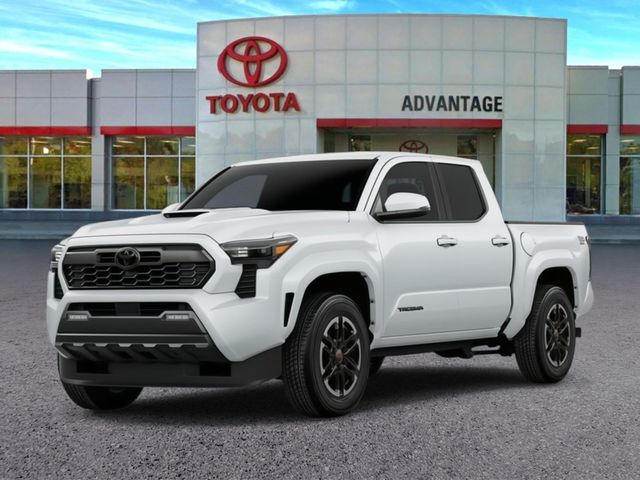
Genuine Toyota parts deliver benefits that help vehicles perform reliably and hold their value. Key advantages include improved fit and function, preserved warranty coverage, and verified safety standards.
Choosing genuine parts helps maintain vehicle integrity, resulting in smoother operation and greater safety for drivers and passengers.
Beyond these core benefits, owners frequently report more predictable service intervals and clearer diagnostics when OEM parts are used, because technicians can rely on known specifications rather than compensating for inconsistent aftermarket tolerances.
Genuine Toyota parts improve performance and reliability through precise engineering and exact fitment for each model. This ensures components function as intended within the vehicle system.
Components such as Toyota brake pads and oil filters are designed to work with related systems, reducing premature wear on adjacent parts. Their durability lowers the likelihood of breakdowns and costly repairs. In many cases, use of OEM parts also supports consistent fuel economy, which can reduce operating costs over the vehicle’s lifespan.
In practical terms, replacing a worn component with a genuine part typically restores original handling and emission characteristics more reliably than mismatched or generic replacements. For owners tracking long-term maintenance, this stability reduces diagnostic time and supports consistent servicing schedules.
Safety is a core consideration for vehicle owners, and Toyota OEM parts are crafted to meet the manufacturer’s safety specifications. These parts incorporate required safety features and are validated to perform under expected conditions.
Compared with many aftermarket options, OEM components undergo broader compliance and performance testing. That testing reduces the risk of part failure and supports safer outcomes on the road.
Manufacturers test parts for fit, material behaviour under stress, and expected lifecycle performance; using parts designed specifically for each system reduces the chance of installation-related failures and maintains designed crash and braking performance.
When evaluating repair options, several factors distinguish genuine Toyota parts from aftermarket alternatives, including consistent quality, documented compatibility, and long-term value.
The distinctions between genuine Toyota parts and aftermarket parts affect fit, material quality, and performance guarantees. Understanding these differences aids informed maintenance decisions.
| Feature | Toyota Genuine Parts | Aftermarket Parts |
|---|---|---|
| Fit and Compatibility | Exact fit to specifications | May vary significantly |
| Quality | High-quality materials | Variable quality |
| Performance Assurance | Engineered for optimal performance | No guarantee |
These differences reinforce the value of genuine parts for consistent, long-term vehicle performance.
When selecting replacement components, ask the dealer or technician to confirm part numbers and interchangeability. Clear documentation of parts used is valuable for both ongoing maintenance and future resale.
Although genuine parts can have a higher initial cost, their durability and reliability typically reduce total ownership costs over time by limiting repeat repairs and associated downtime.
Owners who choose genuine parts can expect fewer unexpected expenses and more predictable maintenance costs over the life of the vehicle.
For example, an owner who installs OEM brake components and follows recommended intervals is likely to avoid related damage to rotors and calipers that can occur when inferior pads wear inconsistently—preventing cascading repair costs and preserving part lifecycles.
Toyota Certified Service Centers offer trained technicians and standardised procedures that ensure correct installation and protect vehicle performance and warranty coverage.
Using a certified service center also reduces the coordination burden for customers: service centers manage parts ordering, verify compatibility, and perform post-installation checks that help ensure the repair meets manufacturer standards.
Toyota-certified technicians complete formal training and meet established criteria before certification. Their qualifications include ongoing education and practical experience relevant to Toyota systems.
These credentials give vehicle owners confidence that repairs and installations meet manufacturer standards.
Having parts installed by certified technicians supports warranty compliance and ensures correct integration of components, which protects both coverage and vehicle operation.
Using certified services reduces the risk of denied claims and contributes to dependable vehicle performance.
Certified centers will typically run a short test or diagnostic after installation and document the work performed; this record is useful if a follow-up inspection or warranty claim becomes necessary.
Warranty and financing options for genuine Toyota parts help customers manage repair costs and provide protection against defects. Understanding these programs aids cost-effective decision-making.
Warranty terms for genuine Toyota parts commonly include standard coverage for a specified period or mileage and may offer extension options. Different parts can carry distinct terms based on their function.
When making a claim, having invoices and the technician's installation notes readily available speeds the process and helps dealers determine coverage quickly.
In New York, dealerships may offer financing programmes that spread the cost of parts and repairs over time. These programmes typically require basic eligibility checks and can make necessary work more affordable.
Dealers can explain options in detail; customers should compare payment terms, interest, and any promotional periods to choose the most cost-effective plan for their situation.
Customers can schedule parts service through online booking tools, telephone contact, or in-person visits to authorised service centres, making the process straightforward.
Preparing detailed vehicle information and a clear description of symptoms before booking helps advisors identify required parts and estimate appointment length more accurately.
Booking a service at Advantage Toyota is straightforward. Use the online scheduling tool, call the service department at the listed number, or provide vehicle details to ensure the correct parts and service time are arranged.
This process ensures timely service and that the correct genuine parts are available at the appointment.
If a required part is out of stock, the service team can often provide an ETA and offer temporary measures if safe to do so, or schedule a follow-up appointment once the genuine part arrives.
Customers should expect a methodical installation process performed by trained technicians, following manufacturer procedures to secure safety and performance outcomes.
During installation, technicians will typically inspect adjoining components, torque fasteners to specification, and perform system tests or short road checks where appropriate to confirm correct operation before returning the vehicle to the customer.
Genuine Toyota parts are available from authorised dealers, who can confirm authenticity and check stock for the required components before a visit.
For owners who prefer to buy parts themselves, dealers can often verify compatibility by part number and advise on installation considerations or offer installation services if needed.
Advantage Toyota maintains quality control, active inventory management, and knowledgeable staff to ensure customers receive authentic parts promptly and with appropriate guidance.
| Advantage | Method | Impact |
|---|---|---|
| Quality Control | Rigorous inspection processes | Ensures authenticity and reliability |
| Inventory Management | Up-to-date stock tracking | Reduces wait times for part availability |
| Customer Service | Knowledgeable staff assistance | Helps customers find the right components |
These measures reflect Advantage Toyota’s focus on service reliability and genuine-part availability.
Staff training ensures they can quickly identify the correct part numbers and advise on genuine alternatives or repair options when supply constraints occur, helping customers choose the best course of action.
Purchasing from a certified Toyota dealer ensures access to tested OEM parts, expert advice, and purchase records that support warranty protection.
Certified dealers can also provide documentation that records the parts used and service performed—information that is useful for future warranty claims and for demonstrating a complete service history to prospective buyers.
Recent industry findings highlight the advantages of OEM components in reliability, consumer preference, and retained vehicle value, supporting the case for genuine parts.
Industry commentary and trade reports frequently note that predictable maintenance histories and OEM documentation are tangible selling points when vehicles enter the used market.
Studies from reinforce that vehicles fitted with genuine parts show higher reliability scores, a strong link to improved safety outcomes, and positive consumer sentiment favoring OEM components.
Although specific study methods vary, the consistent industry message stresses that using manufacturer-approved parts is associated with fewer unexpected failures and clearer support pathways when service is required.
Advantage Toyota applies industry best practices through strict quality controls, customer-focused service strategies, and continuous improvement based on feedback and performance metrics.
Continuous monitoring of service outcomes and customer feedback allows Advantage Toyota to refine processes and reduce repeat visits, improving both efficiency and customer confidence in part choices.
Using genuine Toyota parts supports long-term vehicle value by maintaining performance, reducing premature failures, and providing documentation that reassures future buyers.
Owners who keep a clear maintenance record showing OEM repairs and parts typically find it easier to justify asking prices when selling, because buyers place value on documented, manufacturer-aligned care.
OEM parts contribute to lasting performance and documented maintenance histories, both of which support longer vehicle life and stronger resale values compared with vehicles serviced with unverified parts.
Documented OEM service history can be particularly influential for buyers seeking reliable used vehicles or for fleet managers assessing long-term operating costs across a number of vehicles.
Adhering to warranty requirements protects owners from unexpected repair costs. Using approved parts helps preserve coverage and avoids claim denials linked to improper repairs.
Keeping receipts and installation records from certified technicians simplifies any future warranty process and demonstrates that recommended maintenance and repairs were followed.
Certified Toyota service centres offer technicians trained on Toyota systems, access to genuine parts, and standardised procedures that support accurate repairs and warranty protection. Customers also benefit from staff who can explain options and advise on appropriate maintenance.
Genuine parts are designed for durability and proper system integration, which reduces the need for early replacements and lowers waste. Efficient operation maintained by OEM components can also support consistent fuel use and emission performance.
All Toyota models benefit from genuine parts, but vehicles with specialised systems—such as hybrids or high-performance variants—gain particular advantage from components engineered to meet their precise requirements.
Authorized Toyota dealership websites and Toyota’s official online resources provide searchable inventories keyed to model and year. Third-party sites that specialise in OEM parts may also be useful if they verify authenticity and source documentation.
Customer reviews offer practical insight into supplier reliability, part authenticity, and service quality. Evaluating reviews helps prospective buyers choose reputable suppliers and set realistic expectations for purchase and service experiences.
Financing options vary by dealer but commonly include installment plans or promotional offers that spread payments over time. Eligibility typically depends on credit and income checks, and these options help customers afford necessary repairs without immediate full payment.
After installation, customers should receive care instructions, warranty information, and an opportunity to raise any follow-up concerns. Certified centres often provide guidance on maintenance and encourage feedback to ensure satisfaction.
