

By Advantage Toyota, Advantage Toyota of Valley Stream. Selecting the right vehicle can be complex given the range of options. Toyota Certified Pre-Owned (CPO) vehicles distinguish themselves through a rigorous certification process, measurable benefits, and competitive financing. This article explains why a Toyota CPO is a prudent choice for buyers who value quality, reliability, and peace of mind. It outlines warranties, financing, and the certification steps, and highlights local financing options in Valley Stream to support informed decisions.
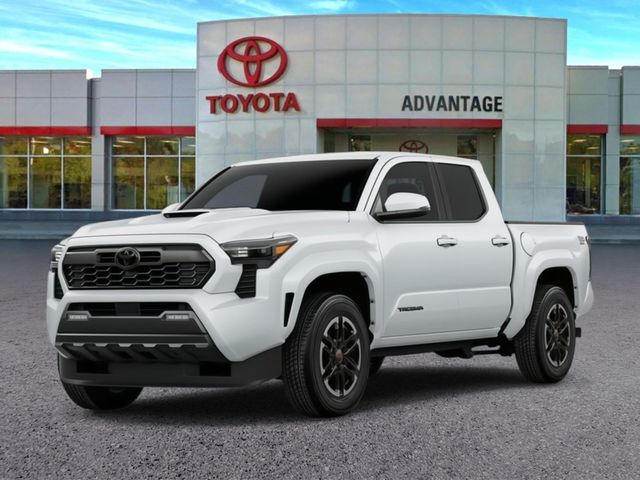
Toyota CPO vehicles are pre-owned cars that complete a thorough inspection and certification to meet Toyota's quality standards. They undergo multi-point checks of mechanical and cosmetic systems, supporting confidence in their reliability and performance. A CPO provides a near-new driving experience at a lower cost than a new model.
Eligibility for the CPO program is typically determined by specific criteria such as vehicle age, mileage, and condition; these requirements are set by Toyota to ensure a consistent level of quality across certified listings. When shopping for CPO vehicles, buyers will find documentation that traces the vehicle’s certification history and any reconditioning performed by factory-trained technicians. This combination of documented checks and transparent records is a cornerstone of the CPO value proposition.
Choosing a Toyota CPO provides several principal advantages:
Advantage Toyota prioritizes clear information about these benefits to simplify the buying process. In practice, these benefits reduce the buyer’s exposure to unexpected repair costs and add predictability to ownership. For buyers considering a family vehicle, daily commuter, or a second car, the CPO option balances upfront value with ongoing reliability.
Beyond these primary benefits, many customers also report softer resale depreciation and a more straightforward trade-in process because certified vehicles are easier for dealers to remarket. That improved marketability can translate into financial advantages when it comes time to sell or trade the vehicle.
Toyota's certification enforces strict standards designed to confirm vehicle quality and operational reliability. Essential elements of this process include:
Inspection protocols typically cover engine and transmission performance, brakes, suspension, steering, electrical systems, and safety features such as airbags and seat belts. Cosmetic items—paint condition, upholstery, and trim—are also reviewed so that the vehicle presents and functions like a near-new model. Certified technicians follow a checklist that aligns with Toyota’s factory standards, and reconditioning work is performed to correct any deficiencies that would otherwise affect safety or long-term reliability.
Documentation is an integral part of the process: the certification packet that accompanies a CPO vehicle outlines the inspection results, records of repairs and parts replacement, and the vehicle history report. Buyers who request and review this packet get a clearer sense of the vehicle’s prior use and the measures taken to meet certification standards.
Buying a Toyota CPO offers several advantages over standard used cars, including:
Together these benefits make Toyota's CPO program a strong alternative to standard used vehicles, with potential long-term savings through durability and retained value. Additionally, CPO cars often come with supplementary services such as roadside assistance and access to factory-backed support networks, which add practical utility beyond the core warranty.
For buyers concerned about post-purchase servicing, CPO vehicles can simplify maintenance because much of the initial reconditioning is already completed and documented. This reduces the likelihood of discovering immediate mechanical issues shortly after purchase—an important distinction from private-party purchases or dealer-certified but non-factory-backed used cars.
The inspection and certification processes of Toyota CPO vehicles cover various critical components to establish a baseline of quality:
This methodical approach ensures each Toyota CPO meets Toyota's quality benchmarks and provides a reliable option for prospective buyers. The multi-point inspection commonly includes checks of the following areas: engine and transmission operation, cooling and heating systems, braking system integrity, steering and suspension function, tires and wheel condition, all exterior lighting, windshield and glass integrity, seat belts and restraint systems, HVAC performance, and infotainment and electronic safety systems.
The road test is an essential step that validates how the vehicle performs under real-world conditions. During this test, technicians listen for unusual noises, verify smooth shifting and braking response, and confirm that any onboard systems report no active fault codes. Together, inspection results and the road test create a full picture of the vehicle’s mechanical health.
Exclusive to Toyota Certified Pre-Owned buyers, several warranty and financing options provide unique benefits:
These warranty and financing features strengthen the CPO value proposition by combining security with affordability. Warranty terms typically specify what components are covered and clarify routine maintenance expectations to keep coverage in force. Roadside assistance services usually include towing, battery jump-starts, lockout support, and flat-tire assistance for a defined period, providing immediate help during unexpected events.
On the financing side, manufacturer-backed CPO financing programs may provide promotional or discounted rates for qualified buyers. Financing through a dealer often means access to pre-approval, credit guidance, and bundled offers that pair warranty services with loan terms to give buyers a single, understandable monthly payment.
In Valley Stream, buyers can leverage specific financing advantages when choosing a Certified Pre-Owned Toyota, such as:
Exploring these local financing options helps Valley Stream buyers maximize the financial benefits of a CPO purchase. Working directly with a local finance manager makes it easier to evaluate trade-in value, down payment alternatives, and monthly payment strategies. Local dealers may also have relationships with community banks or credit unions that can provide competitive loan terms for residents.
Before visiting a dealership, prospective buyers should assemble common documents—proof of income, identification, proof of residence, and recent pay stubs—to streamline the loan application process. Buyers who obtain pre-approval from a lender gain stronger negotiating power and a clearer sense of their budget when comparing CPO options on dealer lots or online inventories.
Comparisons show clear differences between Toyota's Certified Pre-Owned program and other certified programs:
This comparison highlights the value Toyota offers relative to other certifications and underscores its leadership in reliability. Manufacturer-backed certification often differs from dealer-certified programs because the former adheres to uniform procedures and parts standards mandated by the brand. Dealer-certified cars, while potentially well-inspected, may not offer the same transferability or centralized warranty support that comes with a factory program.
For buyers evaluating multiple manufacturers, it is helpful to request the same documentation from each program—inspection checklists, reconditioning invoices, and warranty terms—and compare them side by side. That direct comparison reveals not only differences in coverage but also in the thoroughness of pre-sale preparation.
Several factors distinctly separate Toyota's CPO program from those of competitors:
These factors underline the benefits buyers gain by choosing Toyota over competitors. In addition, Toyota’s widespread dealer network simplifies access to authorized service centers and genuine parts, which can be an important consideration for owners who plan to keep the vehicle long term and want consistent maintenance support.
Purchasing a Certified Pre-Owned Toyota offers superior value compared to buying non-certified used cars due to:
Therefore, choosing Toyota's CPO program is a practical option for buyers focused on long-term value. While some non-certified used cars may be well-maintained, they rarely come with the combination of factory-backed inspection, reconditioning, and warranty transferability that a CPO vehicle provides. For many buyers, that additional confidence justifies a modest premium over comparable non-certified models.
In Valley Stream and greater New York, local advantages include:
Considering these local factors can produce a more tailored purchasing experience for CPO buyers. Local dealerships know regional driving conditions, weather impacts, and typical commuting needs, which can inform appropriate model and trim recommendations. Proximity to a dealership also simplifies scheduled maintenance and warranty repairs, saving time and potentially reducing towing or transport costs when service is required.
Advantage Toyota stands out by offering unique promotions specifically for Certified Pre-Owned buyers, such as:
Using these offers allows buyers to access additional savings and incentives. Advantage Toyota and similar local dealers may provide bundled service packages, inspection summaries on request, and detailed walk-throughs of warranty coverage at the time of sale. These extras help buyers make informed choices and understand post-purchase care expectations.
Customer satisfaction in the Valley Stream area is often influenced by real experiences shared by buyers:
These customer experiences support Toyota's reputation as a trusted brand locally. Prospective buyers should read multiple reviews, check the dates and details of each review, and consider whether the reviewers’ needs match their own—such as family hauling, commuting, or occasional long-distance travel. This context helps determine whether a particular testimonial is relevant to the buyer’s circumstances.
Prospective buyers have multiple avenues to access and evaluate Toyota Certified Pre-Owned inventory:
Using these resources lets buyers streamline their search and evaluate CPO options efficiently. When inspecting online listings, request the vehicle’s certification packet, detailed photos of the interior and exterior, and confirmation of the most recent service work. For virtual showrooms, ask for live video walk-arounds or recorded demonstrations focusing on areas of concern such as tire wear, interior condition, and engine bay cleanliness.
Before scheduling a test drive, prepare a checklist of items to verify: whether the vehicle starts and idles smoothly, the condition of the brakes, any dashboard warnings, and the operation of climate control and infotainment features. Taking notes or recording short video clips during the visit can help later when comparing multiple vehicles.
Comprehensive Toyota Certified Pre-Owned vehicle listings are readily available through:
These platforms provide easy access to certification details and support informed decisions. When reviewing listings on third-party platforms, confirm that the CPO designation is official and supported by Toyota’s documentation. Some sites aggregate dealer listings, so following up directly with the dealer ensures access to the most current certification materials and vehicle availability.
Several tools can assist buyers in comparing Toyota Certified Pre-Owned models effectively:
These tools simplify comparisons and help buyers understand model differences. In addition to comparison tools, prospective buyers should run the vehicle’s VIN through a reputable vehicle history service to confirm title status, verify the maintenance record, and check for any reported damage. Buyers may also consult official recall databases to ensure all recalls have been addressed and repaired at authorized service centers.
While generally satisfied with CPO warranties, buyers may still have concerns regarding:
Clear answers to these questions improve buyer confidence in CPO purchases. To address these concerns, buyers should read the warranty booklet carefully, ask specific questions about exclusions (such as wear-and-tear items versus component failures), and request written clarification for anything that seems ambiguous. Keeping detailed service records and following manufacturer-recommended maintenance schedules are common requirements to preserve warranty coverage.
If a claim becomes necessary, the typical process involves contacting the dealer or an authorized service center, providing maintenance records, and allowing the authorized technician to diagnose and document the covered condition. Understanding these steps before purchase helps buyers avoid surprises if they later file a claim.
Toyota CPO financing sets itself apart from standard auto loans through:
These financing differences offer buyers clear financial advantages, increasing the overall value of a CPO purchase. Additional considerations include pre-approval benefits, which help buyers understand their borrowing capacity and make negotiations more efficient. Lenders will evaluate credit history, income, and the specifics of the vehicle when determining loan terms, so gathering required documentation in advance often speeds up the process.
Some buyers also choose to pair financing with optional protection products—such as extended service plans, GAP coverage, or maintenance packages—available at the time of purchase. When evaluating these options, compare the long-term cost versus expected benefit for your particular ownership plans.
The condition is evaluated through a detailed multi-point inspection by certified technicians covering performance, safety, and cosmetic systems. Each vehicle also includes a vehicle history report that discloses maintenance records and any past accidents, providing additional transparency about condition and reliability.
Buyers should request the inspection checklist and any supporting reconditioning invoices to confirm that recommended repairs were completed to factory standards. Reviewing those documents along with a test drive provides a thorough evaluation of the vehicle’s present condition.
Purchasing a Toyota CPO typically involves standard dealership fees such as documentation, registration, and taxes. Buyers should request an upfront itemized breakdown of any additional fees; reputable dealers provide transparent cost details to ensure full awareness of total purchase expenses.
Ask specifically about destination fees, dealer preparation charges, and any optional service packages so you can compare the true out-the-door price between different dealers. Transparency on these items avoids surprises at signing.
Some dealerships provide returns or exchange policies for CPO vehicles, but terms vary. Ask about the dealer's specific return or satisfaction guarantee at purchase to understand any time limits or conditions.
If a return or exchange policy exists, confirm the exact timeline, mileage limits, and any required condition standards the vehicle must meet for acceptance. Keep written confirmation of any such policy as part of your purchase documents.
Financing a Toyota CPO normally involves applying through the dealership or a third-party lender. CPO vehicles often qualify for lower interest rates due to Toyota’s backing and extended warranty options. Buyers can select term lengths to fit monthly budgets, and many dealerships in Valley Stream also offer promotional financing rates exclusive to CPO vehicles.
It helps to compare the dealer’s offer with pre-approval from a bank or credit union to ensure you receive competitive terms. Be mindful of the total loan cost, including interest over the full term, rather than focusing solely on monthly payments.
There is no post-sale mileage limit on a CPO Toyota, but higher mileage can reduce resale value. Warranty coverage is defined by time or mileage from the original in-service date (for example, 7 years or 100,000 miles), so keeping service records and careful driving supports long-term value.
Understand how any remaining warranty is calculated for the vehicle you are considering, and plan maintenance in accordance with the manufacturer’s schedule to preserve that coverage.
During a test drive assess comfort, handling, and acceleration. Note any unusual noises, brake response, and dashboard warning indicators. Confirm that infotainment and safety systems operate correctly. A focused test drive helps determine whether the vehicle meets your specific needs.
Also test the vehicle under conditions similar to your daily use, such as highway speeds if you commute or stop-and-go traffic for urban driving. Try seating multiple passengers if family or carpooling is a consideration, and verify cargo capacity for practical use.
Buying a Toyota CPO can be an environmentally responsible choice. Extending the life of an existing vehicle reduces manufacturing waste, and many pre-owned models include efficient engines and technologies that lower emissions, supporting sustainability goals.
For buyers prioritizing sustainability, consider looking for CPO hybrid models, which often provide greater fuel efficiency and lower running emissions than comparable gasoline-only vehicles. Compare the vehicle’s EPA fuel economy ratings and consider lifecycle impact when making a decision.
