

By Advantage Toyota, Advantage Toyota of Valley Stream. Leasing can be an effective option for families seeking flexibility, lower costs, and current vehicle technology. Families typically prioritise versatility, safety, and economy when choosing a car. In New York, Toyota offers lease plans that can be tailored to those needs and include family-oriented features. This guide reviews top Toyota leasing plans, key benefits, financing options, and incentives for families. It also covers family-friendly models, insurance requirements, and how Advantage Toyota provides tailored leasing solutions.
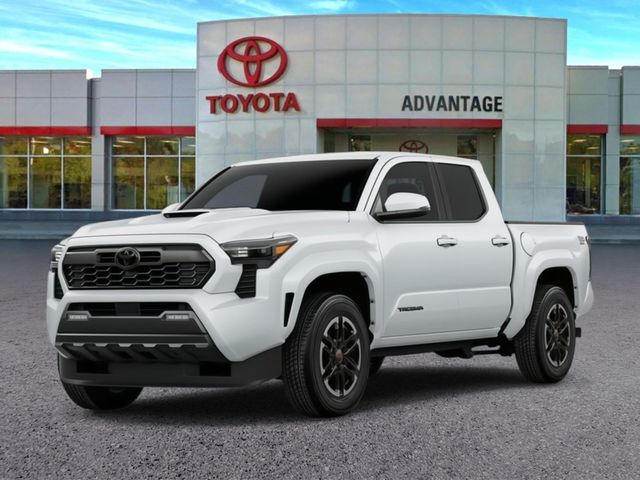
Toyota family leasing plans combine flexible terms, family-friendly models, and competitive monthly payments. Families can adjust leases to match travel needs and budgets to obtain a vehicle that meets everyday demands.
Lease offerings typically include a range of term lengths and mileage packages so families can choose what best suits their driving patterns. Many dealers offer seasonal promotions, loyalty incentives, and bundled maintenance packages that can be appealing to households that value predictable costs and regular service. When comparing offers, it helps to look beyond the monthly payment and evaluate the total cost over the lease term including fees, expected wear-and-tear charges, and insurance.
For families, practical features such as third-row seating, flexible cargo arrangements, integrated child-seat anchors (LATCH), advanced driver-assist systems, and good fuel efficiency can significantly improve the ownership experience during a lease. When negotiating, ask how factory-installed options or dealer-installed accessories affect the capitalized cost and whether certain items are included in advertised specials.
Several Toyota models are strong choices for family leases because of their space and safety features. They include:
These models deliver reliable transport with an emphasis on comfort and safety. When choosing among them, families should prioritise how often they need third-row seating, cargo flexibility for strollers and sports gear, towing capacity for trailers or bikes, and whether hybrid powertrains will materially reduce fuel costs for their driving patterns.
Consider practical interior features as well: sliding rear doors on minivans can be easier in tight parking, split-folding rear seats increase cargo versatility, and rear-seat climate controls improve comfort for children. Compare infotainment options and connectivity, especially if you rely on in-car navigation, streaming, or rear-seat entertainment systems during long trips.
Toyota lease terms often offer longer durations and manageable mileage limits designed for family travel. Understanding these options helps families choose leases that match their usage and provide peace of mind during the term.
Lease durations commonly range from 24 to 48 months. Shorter terms may allow you to upgrade sooner to new safety features and newer models, while longer terms can lower monthly payments if the lease price and residual values align. Discuss residual values, money factor (the lease equivalent of the interest rate), and any acquisition or disposition fees with the dealer so you can clearly compare offers.
It is important for families to estimate expected annual mileage realistically and choose a mileage allowance that prevents excess-mileage charges at lease end. Typical mileage packages include 10,000, 12,000, or 15,000 miles per year; selecting the closest fit avoids costly per-mile penalties. If your driving needs change during the lease, some agreements allow for mid-term adjustments to mileage for a negotiated fee.
Financing choices directly affect monthly payments. Families should review available options to manage their budgets effectively.
Primary financing paths include manufacturer-backed leases, dealer-arranged leases, and third-party bank or credit-union leases. Manufacturer-backed leases often include seasonal incentives and widely advertised specials, while credit unions or banks may provide competitive money factors for qualified borrowers. Always compare the capitalized cost (adjusted price), residual value, money factor, and any additional fees to understand the full picture.
Financing structures—such as bank loans or dealer-sponsored leases—influence monthly costs. Key factors include the vehicle price, lease term, and any upfront fees. Comparing offers helps families select affordable terms without overstretching their budgets.
Here are elements that materially influence monthly payments and should be examined closely:
Request a full lease worksheet from the dealer showing cap cost, residual, money factor, monthly payment breakdown, and total due at signing. Comparing two offers with the same monthly payment but different fee structures or residuals can reveal which is genuinely cheaper over the lease term.
Credit scores affect lease offers; many lenders seek scores near 700 for favorable terms. Applicants should provide proof of income and residency to streamline approval. Knowing these requirements improves the likelihood of securing better lease terms.
If credit is limited or lower than lenders prefer, consider options such as a co-signer, a higher down payment, or working with credit unions that specialise in subprime borrowers. Some manufacturers and dealers offer special programs for first-time lessees or customers with limited credit histories, but these programs can carry different money factors or require additional documentation.
Before applying, obtain a free credit report and correct any errors. Being prepared with recent pay stubs, bank statements, and proof of residence reduces delays in the approval process. Discussing pre-qualification estimates can help set realistic expectations without affecting your credit score in some cases.
Leases require specific insurance coverages. Families should confirm required policies before signing to ensure compliance.
Most leases require liability coverage to protect against accident-related damages. Gap insurance is commonly recommended to cover any shortfall between the vehicle's value and the lease balance. Understanding these coverages helps protect the family’s finances.
In addition to liability, typical lease requirements include collision and comprehensive coverage with specified minimum limits, and a maximum deductible threshold. Dealers often state minimum liability amounts (for example, bodily injury and property damage combined), but the exact limits vary by state and lessor. Gap insurance covers the difference if the vehicle is totaled or stolen and the insurance payout is lower than the remaining lease balance.
Families should ask the dealer for a written statement of required coverages and confirm whether the lessor mandates specific endorsements or additional named insured clauses. If you carry the gap insurance through your auto insurer, ensure it is active and documented at lease signing if the dealer requires proof.
Families can lower insurance costs by comparing policies and considering how vehicle choice affects premiums. These steps help reduce expenses while maintaining appropriate coverage.
Document safety features and any factory-installed anti-theft systems when obtaining quotes. Small changes can sometimes meaningfully lower premiums, especially for family-focused vehicles with built-in safety technology.
Seasonal lease specials and incentives can improve affordability for families. Toyota and local dealers frequently offer promotions targeting family-friendly models to increase financial flexibility.
Promotions may include reduced money factors, higher residuals for certain models, loyalty discounts for returning customers, or incentives for recent graduates and military families. Dealers sometimes combine lease specials with limited-time manufacturer incentives, so it pays to compare the net offer from multiple dealerships rather than a single advertised price.
When evaluating specials, confirm duration and applicability (e.g., whether the promotion applies only to specific trims or requires particular credit tiers). Ask whether advertised offers are available on certified pre-owned units as well as new vehicles, and whether lease specials require select configurations or additional fees.
Regional dealership promotions often add discounts or incentives aimed at families. Taking advantage of these offers can lower monthly payments and overall vehicle costs.
Local incentives can include dealer-installed accessory credits (for child seats, cargo organizers, or roof rails), free or discounted first-year maintenance, first-month payment waivers, and flexible trade-in valuations. Finance department incentives or in-house specials may also create more attractive payment structures for families who plan to lease multiple vehicles or return customers.
Always request the full written terms of any dealer-specific incentive and confirm whether it affects residual values, fees, or warranty coverage. Transparent, itemised offers make comparisons straightforward and reduce the risk of surprise charges at signing or at lease end.
Certified pre-owned Toyotas are a practical option. They undergo inspections and include extended warranties, offering reliable, budget-friendly choices for family leases.
Certified pre-owned (CPO) offerings typically include a multipoint inspection, reconditioning, and an extended or limited warranty backed by the manufacturer. CPO leases or financing can provide the benefits of lower monthly payments compared with new models, while still delivering strong reliability and warranty peace of mind.
When considering CPO vehicles for a family lease, check the vehicle history report, understand the remaining factory warranty coverage, and confirm what the CPO warranty covers (powertrain, roadside assistance, etc.). A CPO option can be particularly attractive if a family wants to reduce the upfront cost and monthly payment while retaining a high standard of reliability.
Familiarity with lease requirements and terms helps families manage the leasing process and avoid unexpected charges.
Before signing, review the lease contract in detail and ask the dealer to explain any unclear line items. Pay attention to wear-and-tear guidelines and how the lessor defines excessive damage. Many dealers publish or provide sample inspection criteria; understanding these standards in advance can help prepare the vehicle for return and reduce disputable charges.
Typical lease conditions cover mileage allowances, early termination fees, and wear-and-tear standards. Reviewing these terms before signing helps families avoid unexpected charges.
Early termination can be costly because the lessor will generally charge the remaining lease balance minus the residual value and may add administrative fees. If you anticipate changes in family size, job location, or commute distance, discuss early termination policies and transfer options. Some leases can be assumed by another qualified lessee, or dealers may negotiate early-end terms in special circumstances.
Wear-and-tear guidelines typically address dents, scratches beyond a certain size, tire condition, interior stains, and mechanical neglect. Keep records of regular maintenance and service receipts to demonstrate proper care. Many families find it useful to perform a pre-return inspection with the dealer several weeks before lease end so that minor issues can be repaired at a reasonable cost rather than being flagged as excessive damage during the final inspection.
Digital lease-management tools simplify tracking mileage, payments, and contract details. These platforms make lease administration easier for busy families and improve the overall experience.
Typical features include payment reminders, mileage trackers that sync with smartphone apps, scheduling for maintenance, and easy access to lease documents. Some apps alert you when you approach mileage limits or when scheduled maintenance is due, helping avoid fees and preserve vehicle condition. Using digital tools also simplifies comparing remaining term and payoff information if you consider purchasing the vehicle at lease end.
Dealership portals and manufacturer apps increasingly support photo-based condition reporting and virtual consultations, which reduce the need for in-person visits and speed up common tasks like service appointment scheduling or warranty inquiries. These conveniences can be meaningful for families juggling school, work, and extracurricular activities.
Selecting the right dealership affects the leasing experience. Advantage Toyota offers tailored lease options and customer service suited to family needs.
Dealerships that specialise in family leasing focus on transparent pricing, consultative sales approaches, and flexible service options such as extended service hours, shuttle services, or loaner vehicles for maintenance visits. Advantage Toyota positions itself to support families through financing counselling and personalised lease structures that align with household budgets and usage patterns.
Advantage Toyota provides financing assistance and convenient service scheduling to help families maintain their vehicles. The dealership emphasises customer care throughout the lease process.
Services to look for when evaluating a dealership include personalised finance consultations, the ability to pre-qualify for lease offers, transparent lease worksheets, and a service department experienced with family vehicle needs such as child-seat installations, software updates for integrated systems, and multi-point inspections before return.
Advantage Toyota prioritizes clear communication and detailed pricing disclosures to build trust. This transparency helps families feel confident in their leasing decisions.
Request a complete breakdown of any advertised special and a written summary of all fees, taxes, and charges due at signing. Reputable dealers will explain residual values, money factors, and any conditions tied to incentives. Written clarity prevents surprises and makes it easier to compare offers from multiple dealers.
Mileage allowances are usually based on average annual driving, commonly 10,000 to 15,000 miles per year. Exceeding the allowance can incur additional fees, so families should match estimated use to their lease terms.
Estimate driving miles by adding commuting distances, school runs, weekend activities, and an average of seasonal travel. If your household regularly takes long road trips, choose a higher mileage allowance or negotiate a midterm adjustment rather than risk per-mile penalties at lease end. Keep a mileage log in the glovebox or use a digital tracker to measure actual use and compare it to your allowance periodically.
Families can often customize lease terms, including duration, mileage limits, and trade-in considerations. Working with the dealership helps tailor the lease to budget and lifestyle.
Customization options often include choosing a higher or lower mileage allowance, varying term lengths, and applying trade-in value toward the capitalized cost. Ask whether manufacturer rebates or dealer credits apply if you include certain safety packages or options. Discuss potential end-of-lease charges and whether prepaid maintenance or protection packages can provide predictable costs over the term.
Leasing typically yields lower monthly payments than buying, allowing families to afford newer models with advanced safety and technology. Leases often include warranties that reduce maintenance costs and permit regular vehicle updates without long-term ownership.
Other benefits include predictable maintenance expenses if a lease includes a maintenance plan, the ability to drive a vehicle with current active safety systems, and simpler transitions when your family’s needs change. Leasing may also reduce concerns about depreciation when you prefer driving newer cars every few years.
Families should assess seating, cargo space, and fuel efficiency based on intended use—commutes, school runs, or long trips. Review typical driving patterns to ensure mileage fits. Consult dealership specialists for guidance on suitable lease plans.
Create a short checklist before shopping: number of daily passengers, frequency of long trips, need for towing or roof storage, desired fuel economy, and any child-seat installation requirements. Bring the checklist to test drives to evaluate real-world fit and visibility for drivers and ease of access for children and loading cargo.
At lease end families can return the vehicle, buy it at a preset price, or lease another. Returns include an inspection for wear and mileage; excess use or damage can incur charges. Review the lease agreement to understand end-of-term options and costs.
Many families choose to purchase the vehicle at the predetermined residual price if it represents good value, or they may lease a new model to stay current with safety and technology advances. If returning the vehicle, schedule a pre-inspection to identify repairs you can make affordably before the official inspection to reduce potential charges.
Leasing may offer tax advantages for businesses or self-employed users when the vehicle is used for work; lease payments can be deductible in many cases. Personal tax implications vary by state, including sales tax rules. Families should consult a tax advisor for guidance.
For personal-use family leases, sales tax treatment differs by jurisdiction; some areas tax the monthly payment while others assess tax on the total lease amount. If the vehicle is used for business purposes, speak with a tax professional about apportioning deductions and documenting business use accurately.
To prepare, assemble proof of identity, income records, and residence details. Monitor credit scores, as higher scores improve lease options. Research preferred models and lease terms to support informed discussions with dealers.
Bring recent pay stubs, bank statements, proof of residence (utility bills or lease agreements), and a valid driver’s license. If you plan to use a trade-in, bring maintenance records and the vehicle title if available. Pre-qualifying through a lender or credit union gives you negotiation leverage and clarifies the likely money factor or approval level you can expect.
Look for promotions that offer low monthly payments, low down payments, or zero-down options and favorable terms. Carefully read the fine print for mileage limits, maintenance coverage, and extra fees. Seasonal incentives for family models can improve affordability. These details affect the total cost of leasing.
Compare the total cost of the lease (sum of all payments, fees, and likely end-of-lease costs) rather than focusing solely on the lowest monthly payment. Confirm whether specials require particular trims or credit tiers and whether they include or exclude commonly required fees such as registration, title, or acquisition fees. A transparent dealer will provide a lease worksheet showing the full calculation.
