

By Advantage Toyota, Advantage Toyota of Valley Stream. Leasing a vehicle lets drivers use a new car without the long‑term commitment of ownership. In Valley Stream, Toyota lease offers are popular for their affordability and flexibility. This guide outlines current lease specials, compares leasing and financing, explains certified pre‑owned (CPO) leasing options, and reviews Valley Stream‑specific benefits. It also covers how to use lease calculators and answers common questions so consumers can make informed decisions about leasing through Advantage Toyota, the local dealership.
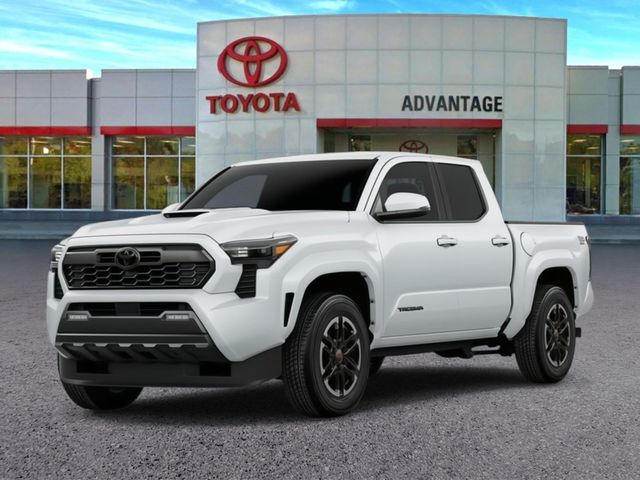
Valley Stream presents a range of lease specials for Toyota models. Offers shift with dealer inventory and manufacturer incentives, producing varied choices for cost‑conscious consumers. Generally, Toyota lease programs deliver competitive monthly payments that can be more attractive than buying outright.
Dealerships in the area frequently combine manufacturer lease programs, dealer incentives, and seasonal discounts to create short‑term offers that appeal to commuters, families, and first‑time lessees. Because inventory levels change, the specific models and trim levels included in specials often rotate; checking with Advantage Toyota directly or viewing the dealership’s current specials page will show up‑to‑date availability. When evaluating a special, consider the total cost of the lease — including upfront fees, taxes, and any required security deposit — not just the advertised monthly payment.
Certain Toyota models frequently feature competitive lease terms. For example, a Toyota Corolla Cross may be available for $259 per month on a 36‑month lease; a Toyota Camry for about $339 per month under the same term; the Toyota Grand Highlander for roughly $459 monthly; and the Toyota C‑HR for around $389 per month. These examples illustrate Toyota’s emphasis on cost‑effective leasing across different customer needs.
Beyond the specific monthly rates, lessees should note differences in residual values and available trim‑level incentives. Smaller crossovers and compact sedans often present lower monthly payments because they have lower MSRP baseline and steady demand in the used market, which supports higher residuals. Conversely, larger SUVs and premium trims may carry higher monthly costs but sometimes include dealer allowances or loyalty offers that improve affordability. Comparing offers across similar segments helps reveal which model delivers the best combination of monthly cost, features, and long‑term value for your priorities.
Most Toyota leases run between 36 and 48 months, which suits drivers who replace vehicles regularly. Standard mileage allowances are typically 12,000 to 15,000 miles per year. Exceeding those limits usually incurs penalties, so lessees should assess their driving patterns before agreeing to a lease.
Choosing the right mileage allowance is important: selecting a lower allowance reduces the monthly payment but increases the risk of overage charges at lease end, while a higher allowance raises the payment but can be more economical for high‑mileage drivers. Dealers often allow you to purchase additional miles upfront at a fixed rate, which may be cheaper than paying per‑mile fees later. Also consider lease duration relative to your expected ownership horizon — shorter terms give faster access to new models and incentives, while longer terms can smooth monthly costs but may carry different maintenance or warranty considerations.
Leasing certified pre‑owned (CPO) vehicles provides a lower‑cost alternative to new leases. CPO leases frequently include reduced monthly payments and warranty coverage, making them attractive for budget‑focused buyers.
CPO vehicles follow a manufacturer‑backed inspection and reconditioning process, which can provide lessees with greater assurance than private‑party used cars. A CPO lease can combine the lower depreciation of an older vehicle with structured warranty coverage and roadside assistance, often resulting in a lower out‑of‑pocket cost while retaining many benefits of a new vehicle. Remember to review the exact warranty terms and service inclusions associated with each CPO program.
Leasing options for certified pre‑owned Toyota vehicles are available through Advantage Toyota. The dealership offers CPO models that undergo thorough inspections to confirm quality and reliability. Prospective lessees should visit Advantage Toyota to review current CPO inventory and options.
When visiting the dealership, ask for the CPO inspection report, the vehicle’s maintenance history, and any additional service plans available. Asking targeted questions about prior ownership, accident history, and included warranties will help you compare CPO lease offers against new‑car promotions. If the dealership offers a pre‑lease test drive and a detailed explanation of what the CPO program covers, take advantage of both — they are useful for setting realistic expectations about long‑term ownership costs and potential out‑of‑pocket maintenance.
Leasing a CPO Toyota can lower monthly payments compared with new models because much depreciation has already occurred. CPO leases may cost $50 to $100 less per month, yielding measurable savings over the lease term. Reduced payments can also allow lessees to select higher trims or additional options they might not afford with a new lease.
While monthly savings are often the headline benefit, also consider the overall cost of the lease: lower residual value reductions and potentially smaller drive‑off costs can make CPO leases more accessible for drivers with limited cash for down payment. On the other hand, ensure the vehicle’s remaining warranty and service coverage match your expected ownership time; if major components are near the end of coverage, you may face higher maintenance expenses that offset monthly savings.
| Entity | Attribute | Value |
|---|---|---|
| CPO Toyota Camry | Monthly Lease Payment | $289 |
| CPO Toyota RAV4 | Monthly Lease Payment | $329 |
| CPO Toyota Highlander | Monthly Lease Payment | $399 |
The table demonstrates the potential monthly savings available through CPO leasing, making it a viable option for many drivers. When using such comparison tables, factor in mileage allowances and any up‑front costs to estimate true monthly burden.
Before signing a lease, it is important to understand key financial terms and responsibilities. This knowledge helps lessees avoid unexpected costs and ensures the chosen deal fits their budget.
Key items to assess include the capitalized cost (the vehicle’s negotiated price), the residual value (what the vehicle is estimated to be worth at lease end), the money factor (lease interest rate equivalent), acquisition fees, disposition fees, and any required down payment. Clear understanding of these items lets you compare disparate offers on an apples‑to‑apples basis and to identify where there may be room to negotiate.
Lease payments are generally lower because lessees pay for the vehicle’s depreciation during the lease term. Financing payments apply toward ownership and typically result in higher monthly costs. Understanding this distinction helps consumers select the option that matches their financial objectives.
Leasing often suits those who prioritize predictable monthly costs and who prefer trading vehicles frequently. Financing works better for drivers who want long‑term ownership, eventual equity in the vehicle, and the freedom to exceed mileage or modify the car without lease restrictions. Also consider tax implications — in many cases, sales tax on a lease is applied to monthly payments rather than the full purchase price, which can reduce upfront tax obligations.
Standard lease agreements outline lease‑end options, such as the option to purchase, and penalties for excess mileage. For example, exceeding a 12,000‑mile per year limit can result in fees of approximately $0.15 to $0.25 per extra mile. Reviewing these terms can reduce the risk of unexpected charges.
Lease‑end inspections evaluate wear and tear relative to lease standards; minor cosmetic issues are typically covered, but excessive damage or modifications can result in repair bills. If you are considering keeping the vehicle at lease end, compare the buyout price against current market values to decide whether purchasing is economical. Timing can also matter — some lessees negotiate lease extensions or short‑term transfers if their needs change near the end of the lease term.
Leasing through local dealerships like Advantage Toyota can provide Valley Stream residents with targeted promotions and benefits. These offers often change throughout the year and may reflect community‑focused incentives.
Local dealerships tend to tailor incentives to the regional market, which can include loyalty discounts, dealer cash applied to specific trims, or bundled maintenance plans. Working with a nearby dealer also simplifies service visits and pre‑return inspections, and often gives you quicker access to test drives of models in current local inventory. When evaluating offers, confirm whether advertised specials are limited to certain zip codes, require specific credit tiers, or include residency incentives for nearby towns and communities.
Advantage Toyota runs seasonal promotions that include exclusive leasing incentives for local customers. During certain holiday periods, offers may include reduced rates or zero‑down options. Such promotions increase affordability and provide added value for residents.
Seasonal promotions can also include bonus offers for military, recent graduates, or loyalty discounts for returning customers. These incentives vary throughout the year and may target end‑of‑model‑year clearance or new‑model rollouts. Keep in mind that holiday specials may be time‑limited and contingent on available stock, so prompt action often helps secure the most attractive terms.
Leasing with Advantage Toyota includes personalized customer support across the leasing process. Staff assist with vehicle selection and financial documentation to ensure a smooth experience. This level of service distinguishes the dealership from online‑only providers.
Personalized support can make a difference when configuring a lease that matches your budget and usage patterns. Dealership representatives can explain how specific options change residual values, advise on which trims maintain stronger resale values, and help structure payments by adjusting term length or mileage. They can also coordinate service appointments, explain warranty coverage, and guide customers through lease‑end procedures to minimize surprise fees.
Lease calculators and visual tools help potential lessees evaluate and compare offers remotely. These resources simplify the decision‑making process by clarifying how different variables affect cost.
When using calculators, input consistent assumptions across multiple offers — the same down payment, term length, and mileage — to make fair comparisons. Pay attention to whether the calculator includes taxes and fees in its estimate or whether it shows base payment only. Visual tools and charts that illustrate total cost over the lease term, or cost per thousand miles driven, can help you identify the most cost‑effective option given your driving habits.
Multiple online platforms, including the Advantage Toyota website, provide lease calculators that generate estimates based on current specials. Users can modify down payment, lease duration, and annual mileage to see how changes affect monthly obligations and overall affordability.
To use a lease calculator effectively, start with the advertised special’s numbers and then vary one parameter at a time. For example, change the mileage allowance to see how payments shift if you choose 15,000 miles per year instead of 12,000. Try increasing or decreasing the term length to find the best fit for your budget and plans. If the calculator offers an amortization or total cost view, use it to compare the sum of monthly payments plus fees versus the cost to finance and own the vehicle.
Comparison charts and visual tools present side‑by‑side details of monthly payments, vehicle specifications, and lease terms. These resources enable quick evaluation to identify which offers deliver the best value for specific needs.
Visual comparisons that include key variables — MSRP, negotiated capitalized cost, residual value percentage, money factor, and estimated taxes/fees — help you see where differences arise between offers. Some tools also present scenario‑based recommendations, such as “best for city driving” or “best for families,” based on vehicle size and typical mileage patterns. Use these comparisons to narrow options before visiting the dealership for final negotiation.
Typical qualifications to secure a lease include a minimum credit score, proof of income, and stable residency. Dealership staff can advise on the documentation needed to streamline the application process.
Credit approval tiers influence the money factor and available promotions; better credit typically unlocks lower finance rates or more favorable lease programs. Income documentation such as recent pay stubs, tax returns, and proof of residency (utility bills or a lease agreement) are commonly requested. If your credit profile is limited or imperfect, ask about special programs for first‑time leasers or credit‑building initiatives, and inquire whether a co‑signer or additional proof of income might help secure preferred terms.
Lease terms differ between new and CPO vehicles due to variation in depreciation and associated risk. New vehicles may offer longer lease terms but higher monthly payments, while CPO models often provide shorter terms with lower payments.
In practice, new‑car leases sometimes include manufacturer‑subsidized money factors or promotional residual guarantees that reduce payments. CPO leases may lack these manufacturer incentives but compensate with lower effective capitalized costs and already‑realized depreciation. Carefully compare the fine print on each option — including warranty coverage, included maintenance, and allowable wear — to determine which arrangement better aligns with your usage expectations and risk tolerance.
Applying for lease offers is straightforward when you are informed and prepared. Knowing where to apply and what to expect can make the process more efficient.
Before applying, collect necessary documents and set a clear budget range. Being prepared will speed the in‑dealership process and improve your ability to negotiate. If you plan to trade in a vehicle, obtain an estimate of its value ahead of time and bring maintenance records to support its condition‑based value. Pre‑arranging a credit application online can also reduce time spent at the dealership and allow you to compare pre‑qualified offers from multiple sources.
Understanding each step helps you complete the application process efficiently.
During the review step, request a written breakdown of all charges and verify that the payment quoted matches the exact lease parameters you agreed to (term, miles, down payment, fees). Before signing, read the disposition fee, early termination terms, and purchase option language carefully. If anything is unclear, ask the sales manager or finance officer to clarify or to provide a corrected written summary.
Scheduling service and planning lease‑end options are essential. Advantage Toyota provides online service scheduling and staff guidance on lease‑end choices, including purchasing the vehicle or arranging a new lease.
Use the dealership’s service scheduling tools to stay on top of manufacturer maintenance intervals and to keep a service record that can support a favorable lease return inspection. For lease‑end planning, request a pre‑return inspection several months before the contract expires to identify any repairs that should be completed beforehand. Doing so can help you avoid higher reconditioning costs and choose the best path forward — return, purchase, or replace with a new lease.
Reviewing leasing trends helps lessees anticipate market changes and plan accordingly.
The market has continued to emphasize electrified powertrains and flexible lease products. Inventory flow, supply chain recovery, and consumer demand for crossovers and hybrids influence the frequency and depth of lease specials. Staying informed about these trends helps shoppers time their leases for periods with stronger incentives or increased dealer inventory.
Hybrid models have gained market share, and many leasing specials now promote them. Competitive rates and reduced environmental impact make hybrid Toyotas an attractive option for eco‑conscious lessees in Valley Stream.
Hybrid leases may come with unique incentives tied to fuel efficiency or lower operating costs. When comparing hybrid and conventional models, consider total cost of operation, typical commute lengths, and potential fuel savings. Additionally, check whether hybrid models in the dealership’s inventory are eligible for specific promotions that improve their lease affordability.
Lease flexibility is expanding with options such as adjustable mileage packages, lease extensions, and more frequent vehicle exchanges. Advantage Toyota aims to offer solutions that accommodate diverse lifestyle needs.
Innovations in lease structure, such as shorter swap programs or bundled maintenance, help customers align costs with changing life circumstances. If flexibility is a priority, discuss available programs with your dealer and ask about options to modify mileage mid‑term or add short extensions that prevent early termination penalties.
Leasing a Toyota typically results in lower monthly payments than financing because lessees pay for depreciation during the lease term. Leasing also provides access to newer models and updated features without long‑term ownership. Leased vehicles often remain under warranty, which can reduce maintenance costs.
Yes. Lease terms such as monthly payment, mileage allowance, and the money factor are often negotiable. Research current market rates and promotions to strengthen your negotiating position. Discussing your budget with the dealer can help secure a lease that fits your needs.
If you exceed the agreed mileage, you may incur fees typically between $0.15 and $0.25 per additional mile. Accurately estimate your driving needs before leasing. If you expect to exceed limits, consider purchasing additional miles upfront or opting for a higher mileage allowance.
Many dealerships, including Advantage Toyota, offer first‑time lessee programs that may include reduced rates or more flexible credit requirements. These programs aim to educate new lessees and provide accessible leasing options. Inquire with the dealer about current incentives.
Follow the manufacturer’s maintenance schedule to keep a leased Toyota in good condition and avoid lease‑end penalties. Regular servicing, prompt repairs, and keeping the vehicle clean help preserve its value. Addressing issues early can prevent additional charges at return.
As the lease ends, review the vehicle’s condition and mileage. Decide whether to purchase the vehicle, return it, or lease a new model. Scheduling a pre‑return inspection with the dealer can identify repairs that should be addressed before returning the vehicle.
To find local lease promotions, visit dealership websites such as Advantage Toyota. Dealers update promotions regularly. Subscribing to newsletters or following dealership social channels can provide timely notices of exclusive offers and seasonal specials.
