

By Advantage Toyota, Advantage Toyota of Valley Stream. Reliability and affordability are primary concerns when buying a used vehicle. Near Franklin Square, used Toyota models are available that are known for solid performance and long service life. This guide explains key considerations for buying a used Toyota, including financing options, model availability, and certification programs. Buyers can feel overwhelmed by choices and terms, but clear information simplifies the process. We review financing paths, model differences, and the benefits of Toyota Certified Pre-Owned vehicles so buyers can navigate the used Toyota market confidently. This article is organized to help you move from high-level decisions—budget, financing, and certified options—into practical next steps: how to inspect a car, negotiate a price, and plan for routine maintenance. It emphasizes local considerations that affect availability and pricing without relying on technical jargon, so both first-time buyers and experienced shoppers can use it as a reference while searching for used Toyota cars in and around Franklin Square.
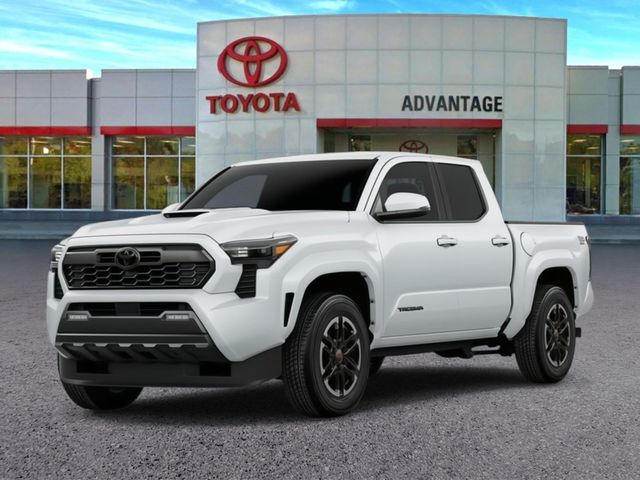
Financing affects the overall cost of a used Toyota and should be reviewed carefully. Dealerships, banks, and other lenders offer plans with varying rates and terms to match different budgets and credit profiles. Understanding these options helps buyers select a payment plan that aligns with their financial goals while preserving the vehicle's value.
When comparing financing offers, look beyond just the advertised interest rate. Consider the loan term, required down payment, whether the rate is fixed or variable, prepayment penalties, and total interest over the life of the loan. Shorter terms typically increase monthly payments but reduce the total interest paid, while longer terms lower monthly obligations but may increase overall interest and leave buyers with negative equity if the car depreciates faster than the loan balance declines.
Below is a comparison of common financing plans offered by local dealerships.
| Financing Type | Interest Rates | Terms Available | Suitability |
|---|---|---|---|
| Bank Loans | 4%-12% | 36-72 months | Good credit |
| Dealer Financing | 3%-10% | 36-72 months | Flexible terms |
| Lease Options | 1%-8% | 24-36 months | Lower payment |
Many buyers find it helpful to get pre-approved by their bank or credit union before visiting dealerships. A pre-approval provides a benchmark for comparison, gives negotiating leverage, and clarifies the maximum loan amount and interest rate you qualify for based on your credit profile. Keep documentation organized—proof of income, recent pay stubs, bank statements, and ID—to speed up the application process.
If you have limited credit or past credit issues, consider bringing a co-signer or looking for lenders who specialize in subprime auto loans. Dealer financing often shows promotional rates for certified pre-owned vehicles; ask whether advertised rates require specific qualifications or a higher down payment. Review loan quotes closely, and ask dealers to show the full amortization schedule if you want to compare total interest costs across offers.
Several Toyota models are notable for reliability and owner satisfaction. From compact sedans to SUVs, the used Toyota range meets diverse needs. Key options include:
Common local models include the Camry, RAV4, and Corolla. The Camry combines comfort and performance with a roomy interior and advanced safety features. The RAV4 offers versatility and utility for drivers needing extra space or light off-road capability. The Corolla is compact, fuel-efficient, and well-suited to urban driving.
Other models you may see at local dealerships include the Prius (for hybrid buyers), Highlander (for larger families), and Tacoma (for buyers seeking pickup capability). Each model has trim and option variations that affect features such as safety packages, infotainment, and wheel size. When comparing listings, check exact trim names and feature lists to ensure a fair comparison of pricing and value.
Mileage and model year affect used Toyota selection. Lower mileage usually means less wear and greater expected reliability; newer models typically include updated technology and safety systems. Older models can be more affordable, so buyers should balance cost against desired features.
Consider a vehicle history report (e.g., CarFax) to confirm claimed mileage and look for signs of consistent servicing. A vehicle with slightly higher mileage but complete service records can be a better purchase than a lower-mileage car with gaps in maintenance. Also evaluate how you plan to use the vehicle: if you commute long distances, prioritize low-mileage and a recent model year; if you expect lighter use, an older model with good service history might provide better value.
The Toyota Certified Pre-Owned (CPO) program provides added assurance for used-vehicle buyers by applying specific standards to certified units.
Toyota's CPO program requires a comprehensive 160-point inspection covering mechanical and cosmetic items. Certified vehicles include at least a 12-month/12,000-mile limited comprehensive warranty and a 7-year/100,000-mile powertrain warranty.
CPO cars often receive additional dealer reconditioning, a detailed service record, and sometimes roadside assistance. These added protections can reduce the risk of unexpected repairs in the first months of ownership and may qualify you for lower interest financing or special promotions. Understand the exact warranty start date and what items are excluded—routine wear items such as tires and brake pads are commonly excluded—and ask for the written warranty to review coverage details.
Choosing a certified used Toyota offers greater reliability because each vehicle meets strict inspection standards. Certified cars often qualify for more favorable financing and provide better value for buyers seeking quality and budget control.
Beyond peace of mind, certified cars can simplify resale later. Buyers frequently prefer vehicles with an established certification and warranty, which can help maintain stronger resale value. If a CPO car is above your budget, carefully weigh the cost of certification against potential future repair savings and financing benefits to decide whether it justifies the price premium.
Buyers can choose among financing and leasing options for used Toyotas, each with distinct benefits to consider.
Applying at a local dealership is generally straightforward. Common steps include:
Beyond these basics, it helps to prepare by researching current loan rates and common down payment strategies. Decide in advance how much you can afford as a down payment and what monthly payment range fits your budget. If the dealer offers multiple finance plans, ask them to explain total cost differences, including fees. If you plan to trade in a vehicle, get an estimate for its value upfront and factor that into down payment calculations.
Leasing a used Toyota can require lower upfront costs and reduce monthly payments. It also allows drivers to change vehicles more frequently and access newer models on a regular cycle.
Leasing can be a good choice if you prefer lower monthly payments and predictable vehicle turnover, but be mindful of mileage limits and wear-and-tear charges at lease end. Purchasing is typically better if you want long-term ownership, no mileage restrictions, and the ability to modify the vehicle. Compare total cost of ownership—including insurance, maintenance, and potential repair risks—when deciding between leasing and buying.
Proper maintenance preserves a used Toyota's longevity and performance. Advantage Toyota provides service and maintenance tailored to local owners.
Schedule maintenance by contacting the service department or using the dealership's online booking tools. This streamlined process supports efficient service appointments.
When scheduling, mention the vehicle's make, model, year, and VIN if available so the service team can prepare parts and tools. Ask whether the service department offers loaner vehicles or shuttle service, what the expected turnaround time is for common tasks, and whether maintenance packages or service plans provide cost savings when purchased in advance.
Advantage Toyota offers certified repair services and routine maintenance—oil changes, brake work, and tire rotations—performed by technicians who follow manufacturer specifications to maintain performance and longevity.
In addition to routine items, certified service centers can perform scheduled inspections, software updates, and recommended recalls. Using dealer service for complex repairs can preserve any remaining warranty coverage and supports maintaining complete service records, which in turn supports future resale value.
Locating affordable used Toyotas in Franklin Square is achievable with the right approach. Several resources and strategies help buyers navigate the local market efficiently.
Dealerships compete on price and condition by offering competitive pricing, thorough pre-sale inspections, and value-added services such as warranties and maintenance packages.
To find the best deals, compare multiple dealer listings for similar models and trim levels, watch for seasonal promotions, and consider certified pre-owned options for extra value. Also, verify whether listed prices include dealer fees, taxes, and other add-ons so you can compare total out-the-door costs accurately.
Awareness of promotions and incentives helps buyers maximize value. Dealerships may offer seasonal discounts or special financing that lower total cost.
Ask the sales representative if advertised incentives apply to the specific vehicle you are considering and whether any qualifications or down payments are required. Dealers sometimes bundle maintenance plans, extended warranties, or accessories as part of promotional packages—determine whether those extras are meaningful to you or a way to increase the sale price indirectly.
Customer feedback offers practical insight into local dealership experiences.
Reviews of Advantage Toyota commonly note transparency, professionalism, and helpful staff. Buyers report the dealership's willingness to accommodate various financial needs.
When reading reviews, pay attention to repeated themes rather than isolated comments. Look for consistent reports about after-sales service, the clarity of the buying process, and whether advertised vehicles matched their online descriptions. These patterns will give you a clearer expectation of what to expect during your purchase.
Testimonials frequently emphasize Toyota's reliability and praise the dealership's follow-up care and maintenance support, reflecting a customer-focused approach.
Also consider how responsive the dealership is to service requests or warranty work. A dealer that honors service appointments promptly and communicates clearly tends to create better long-term ownership experiences for buyers.
Market positioning builds trust; Advantage Toyota's reputation is based on its commitment to quality and service.
Advantage Toyota stands out for its large inventory of certified pre-owned vehicles, attentive customer service, flexible leasing, and competitive financing.
They may also provide local buyers with tailored recommendations on models that suit neighborhood driving patterns, family size, and common seasonal needs. These localized suggestions can be particularly valuable when deciding between similarly priced models with different feature sets.
Local expertise improves customer support and helps match buyers with vehicles suited to community needs and preferences.
Dealers familiar with Franklin Square can advise on popular trims, which options hold up better in local driving conditions, and likely resale considerations within the community. This experience can shorten the search process and reduce the risk of buying a vehicle ill-suited to your lifestyle.
Current market trends influence used-car purchasing decisions as consumer preferences evolve.
Factors such as fuel prices, advances in hybrid technology, and shifts in consumer preference for SUVs over sedans affect local inventory and pricing. Monitoring these trends helps buyers decide whether to act quickly on a favorable deal or wait for better availability. Keep in mind that local inventory levels can fluctuate weekly, especially for popular models and hybrid variants.
The pre-owned car market evolves with consumer demand and dealership practices, as the citation below further explains.
Understanding the Growth of the Pre-Owned Car Market
Customers who buy new cars often resell them within two to three years. In India, this trend began to emerge and was expected to gain momentum by 2010–2012. At first, professional services in the pre-owned market were limited, with over 90% of transactions handled by unorganized dealers or owner-to-owner brokers.
Marketing Strategies of Car Makers in the Pre-Owned Car Market in India, B Shafiulla, 2012
Hybrid models, such as the Prius, have grown in popularity due to consumer interest in fuel efficiency and lower emissions. Buyers value the long-term fuel savings these vehicles can provide.
When shopping for a hybrid, check battery health history and any records of hybrid system repairs. While Toyota hybrids are generally durable, asking for a hybrid system inspection report or having a qualified hybrid technician review the vehicle before purchase can reduce risk. Also discuss any available extended warranties that specifically cover hybrid components.
Demand for hybrids may push prices higher due to limited supply. Buyers should monitor pricing trends to identify favorable purchase timing.
Use comparison tools and set alerts for specific models and trims. If you find a fair price on a vehicle that fits your needs, be prepared to move quickly—well-priced hybrids and popular SUVs can sell fast. Conversely, consider off-peak shopping times (weekday mornings, end of month) when dealers may be more motivated to negotiate to meet sales targets.
When inspecting a used Toyota, examine mechanical condition, bodywork, and interior. Review maintenance records and obtain a vehicle history report to check for accidents or title issues. Conduct a test drive to detect handling or unusual noises, and consider an independent pre-purchase inspection by a mechanic.
Inspection checklist highlights: confirm fluids are clean and at correct levels, check for uneven tire wear (which can indicate alignment or suspension issues), test all electronics and climate controls, and verify brakes for smooth operation. If the car has been in an accident, ask for repair receipts and ensure structural repairs were completed by a qualified shop.
To assess resale value, use online valuation tools like Kelley Blue Book or Edmunds and review local market trends. Consider age, mileage, condition, and title status. Toyota's reputation for reliability typically supports stronger resale values; local demand and economic conditions also affect future worth.
Keep records of all maintenance and repairs, as a documented service history can increase resale value. Selecting popular trims and factory options, avoiding custom modifications, and maintaining cosmetic condition will also help maintain higher resale pricing.
Features that increase resale value include advanced safety systems (adaptive cruise control, lane-keeping assist), technology upgrades (navigation, touchscreen), desirable colours, clean service records, and low mileage. Special editions and hybrid models often retain higher value due to demand for efficiency and features.
Additionally, factory-installed towing packages, roof racks, and integrated navigation systems tend to be viewed positively by future buyers compared with aftermarket additions, which can sometimes reduce appeal.
First-time buyers may access special dealership financing such as low-interest loans or flexible payment plans; dealerships often work with lenders to help buyers with limited credit history. Federal or state programs may provide incentives, and negotiating terms or using a co-signer can improve loan offers.
Consider building credit by starting with a modest loan and consistent on-time payments. If a down payment is a barrier, ask dealerships about trade-in values, rebate options, or certified pre-owned specials that lower initial costs.
Hybrid used Toyotas offer improved fuel efficiency and lower emissions, often reducing fuel costs. They can retain higher resale value and may qualify for tax incentives or rebates, making them cost-effective over time.
Also review maintenance specifics: hybrid systems may change service intervals or require special fluids. Confirm whether the hybrid battery has any remaining warranty and learn about typical replacement considerations so you can plan long-term ownership costs.
Local reviews reveal a dealership's reputation, describing purchase experience, staff professionalism, and service quality. Look for common themes like pricing transparency and post-sale support to identify a dealership aligned with your expectations.
Balance online reviews with direct observations: cleanliness of the lot, staff responsiveness, and willingness to provide vehicle history and inspection reports. A strong local reputation often correlates with better service after the sale.
To transfer ownership, complete and sign a bill of sale and provide the vehicle title. The buyer must register the vehicle at the local DMV and may pay a transfer fee. Confirm all liens are cleared before completing the transfer.
Additionally, verify required emissions or safety inspections for your state, and confirm what documents the dealer will provide after purchase (temporary registration, bill of sale, warranty paperwork). If you plan to insure the vehicle immediately after purchase, contact your insurer with the VIN and purchase details to avoid any coverage gaps.
