

Locating affordable Toyota lease deals in New York can be complex given the number of available options. This guide simplifies the search by outlining competitive leasing choices, current promotions, and strategies to maximize savings. Whether you are considering a compact Toyota Corolla or a larger RAV4, understanding lease terms will help you select an option that fits your budget. High monthly payments and hidden fees are common concerns; informed comparison reduces that risk. This article reviews current promotions, eligibility requirements, and methods to find the best local offers.
Toyota provides leasing programs that address varied budgets and preferences. Leasing permits access to a new vehicle without the long-term commitment of purchase. This flexibility suits urban residents whose vehicle needs may change frequently. In New York, leasing is structured to balance affordability with access to current models.
Leasing generally yields lower monthly payments than financing a purchase. Many lease contracts include warranty coverage, which can reduce maintenance expenses. With models such as the Toyota Camry and Highlander available, you can select a lease that aligns with your lifestyle and financial goals.
When evaluating available lease programs, consider how the vehicle will be used day to day. For a daily commuter who spends most time in the city, a smaller model with lower running costs and nimble handling may be preferable. For family use or occasional long trips, a larger crossover or SUV that provides cargo flexibility and additional seating may be a better fit. Trim level choices, optional packages, and standard safety equipment also affect monthly cost and overall value; compare what is included at each advertised price to ensure an accurate comparison.
Another practical consideration is how often you prefer to switch vehicles. If you value driving newer models with updated safety tech and features, a lease with shorter term options may be attractive despite potentially higher per-month costs. Conversely, longer leases can lower monthly payments while committing you to a single vehicle for a longer period. Balancing these factors with your budget and lifestyle will help you choose the most cost-effective leasing option in New York.
Current promotions can improve the affordability of leasing a Toyota. Advantage Toyota frequently updates lease offers for popular models. Here are some of the latest promotions available:
| Vehicle Model | Lease Payment | Lease Term | Down Payment |
|---|---|---|---|
| Toyota Corolla LE | $198/month | 39 months | $3,995 |
| Toyota RAV4 LE AWD | $257/month | 39 months | $3,995 |
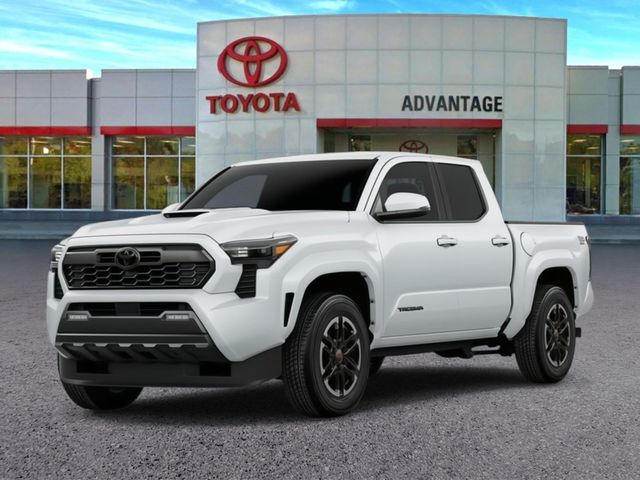
| Toyota Tacoma SR5 4WD Double Cab | $267/month | 36 months | $3,995 |
These promotions illustrate potential savings when leasing a Toyota. Confirm offer expiration dates, as terms and availability can change frequently.
When reviewing promotional offers, verify what is included in the advertised payment. Dealers often list a monthly payment alongside required down payment and may or may not include taxes, registration, and dealer fees in the headline number. Ask for a written quote showing capitalized cost, residual value, money factor or lease rate, and a breakdown of all fees. Compare multiple written offers side by side to see where the true savings lie and whether advertised promotions are conditional on factors such as specific trim levels, stock numbers, or geographic eligibility.
Timing plays a role in promotion availability. Seasonal events, new-model introductions, and end-of-quarter inventory goals can prompt dealers to release temporary specials. Sign up for dealer newsletters, use price-alert tools, and confirm advertised specials in writing to ensure you take advantage of valid promotions.
Qualification for Toyota lease offers requires meeting specific criteria. Typically you must provide proof of income, a valid driver's license, and consent to a credit check. Understanding these requirements will streamline the leasing process.
Most offers require credit approval; your credit score affects eligibility and terms. Many leases require a down payment, often around $3,995. Standard leases also impose mileage limits, commonly between 10,000 and 12,000 miles per year.
To prepare for the application process, gather common documents up front: recent pay stubs or alternative proof of income, a valid driver's license, proof of residence, and if applicable, recent bank statements. Self-employed applicants may need tax returns or profit-and-loss statements. If you plan to trade in a vehicle, bring the title and any payoff information. Providing complete documentation typically speeds approval and reduces back-and-forth with the finance office.
Credit history matters, but lenders also consider income stability and current debt obligations. If your credit score is marginal, discuss programs offered by local dealerships that assist applicants with imperfect credit or consider a larger down payment to improve approval odds and secure better terms. Clear communication with the finance manager about your situation will help identify available options and any steps you can take to improve the terms offered.
Maximizing savings on Toyota lease deals requires planning and research. Consider the following actions:
Following these steps improves your chances of securing a lease that meets your financial requirements.
Additional tactics that often reduce cost include negotiating the capitalized cost (the vehicle's negotiated selling price) as you would when buying, rather than focusing only on the monthly payment. Ask for a breakdown that separates the vehicle price, taxes, fees, and any rebates applied. If you plan to trade in a vehicle, negotiate trade-in value separately from the lease terms to avoid confusion in the final numbers.
Consider timing your lease negotiation around month-end or quarter-end when dealers may be more motivated to meet sales targets. Also ask about loyalty or conquest incentives, manufacturer specials, and dealer-added discounts. Finally, request all terms in writing and review the total lease obligation over the full term, not just the monthly payment, to evaluate the true cost.
Certain Toyota models present more competitive lease terms. The Corolla is notable for affordability and reliability, making it a frequent lessee choice. The RAV4 provides a spacious cabin and advanced safety systems, appealing to families and individual drivers.
Reviewing each model's lease terms assists in selecting the right vehicle. The Corolla typically has lower monthly payments than larger models, while the RAV4 may include additional features at a modestly higher cost.
When deciding between models, compare intended use, running costs, and feature sets. For example, a commuter focused on fuel economy and ease of parking may prefer a Corolla or Prius, while a household needing cargo room and towing capacity might favor a Highlander or Tacoma. Consider whether available safety suites, infotainment features, and driver-assist systems are standard or require higher trims, since these upgrades affect both capitalized cost and residual value when calculating lease payments.
Also evaluate the expected residual value and typical demand for each model at lease end; vehicles with stronger residuals often produce lower monthly payments because depreciation is the primary driver of lease cost. Ask the dealer for the residual percentage used in the quote and consider how popular models may hold value better in your local market.
Toyota lease incentives reduce leasing costs through cash rebates, lower monthly payments, or reduced down payments.
Utilizing these incentives can lower total lease expense. For example, a cash rebate can reduce the required down payment, and a reduced monthly payment may better fit your budget. Understanding incentive mechanics helps you maximize savings.
Lease incentives can originate from the manufacturer, the local dealer, or regional programs specific to New York. Manufacturer incentives are often standardized, while dealer incentives may vary by inventory and location. Confirm whether incentives are stackable—meaning multiple promotions can be combined—or if they are exclusive to certain offers. Always request documentation that clearly shows which incentives are applied to the quoted lease and which are available only under certain conditions, such as financing through a particular lender.
Incentives sometimes change with model year transitions or factory shipment schedules, so regular monitoring is advisable. When evaluating a promotional offer, ask how the incentive was applied to the capitalized cost or monthly payment so you can compare equivalent offers from different dealers accurately.
Leasing a Toyota is a contractual arrangement that permits vehicle use for a set period, typically 24 to 39 months. At lease end, you may purchase the vehicle or return it to the dealer.
Primary benefits include lower monthly payments, access to current models, and warranty coverage that can reduce maintenance costs. Leasing also lets you drive a new vehicle every few years without selling a previous car, which appeals to drivers who prefer regular model updates.
Lease payments are generally derived from the vehicle's expected depreciation over the lease term, plus financing charges and fees. Because you pay for the portion of the vehicle's value you use during the lease, monthly payments are typically lower than for purchase loans for the same model. The lender establishes a residual value—the estimated vehicle worth at lease end—which is a key component of the payment calculation. A higher residual value usually results in a lower monthly payment because the leased depreciation is smaller.
At lease end you will go through a lease-return process that includes a condition inspection. If the vehicle has damage beyond normal wear and tear or has exceeded the agreed mileage allowance, additional charges may apply. You can also choose to purchase the vehicle at the predetermined residual price, often negotiated at the lease signing. Understanding these options before signing helps you plan for your preferred outcome at term end.
Standard lease terms range from 24 to 39 months, with common mileage allowances of 12,000 to 15,000 miles per year. Select a mileage allowance that matches your driving patterns to avoid excess-mileage charges.
If you expect to exceed the standard allowance, negotiate a higher mileage limit at contract inception to prevent penalties at lease end.
To choose the right mileage allowance, estimate your annual driving by reviewing recent odometer readings or tracking a few months of typical use. Consider commuter miles, weekend trips, and holidays. If your driving pattern varies seasonally, err on the side of a slightly higher allowance to avoid per-mile penalties later. Dealers can often quote per-mile charges and the cost to add miles upfront; compare the two options to determine which is more economical for your situation.
Also consider whether your lifestyle might change during the lease—job changes, relocations, or new household members can affect annual mileage significantly. Planning for potential changes reduces the risk of unexpected costs at lease termination.
Leasing and financing offer different ownership paths. Leasing generally results in lower monthly payments and enables periodic vehicle replacement, but it does not transfer ownership at term end.
Financing leads to eventual ownership, which may be advantageous over time. Financing commonly involves higher monthly payments and places maintenance responsibility on the owner once warranties expire. Assess these differences to determine the most suitable option.
Consider the total cost of ownership over the time you intend to keep a vehicle. Leasing can be less expensive month to month and reduces exposure to vehicle depreciation risk, but financing and owning a car can be more economical over a longer horizon because you build equity and avoid ongoing monthly payments after the loan is repaid. If you plan to keep a vehicle long-term, purchasing is often the better value; if you prefer lower short-term payments and frequent model updates, leasing may be preferable.
Other differences include modification policies—leases typically restrict modifications—and insurance requirements, which may be more stringent for leased vehicles. Evaluate your long-term plans, expected mileage, and tolerance for wear-and-tear rules when choosing between lease and finance paths.
Advantage Toyota financing options offers a range of financing options and lease incentives to help customers secure favorable terms. These include competitive interest rates, flexible payment structures, and targeted promotions for local residents.
Reviewing Advantage Toyota's financing solutions helps identify a plan aligned with your budget and lifestyle. The dealership's focus on customer service provides personalized assistance throughout the leasing process.
When talking to the finance department, ask about options such as gap insurance, which helps cover the difference between your lease payoff and insurance settlement in the event of a total loss, and about maintenance packages or prepaid maintenance plans that may be bundled into the lease. Clarify which incentives require specific finance sources or qualifications and whether any fees are administrative or negotiable. These details can materially affect the overall cost and convenience of your lease.
Flexible financing can facilitate affordable leases by offering varied payment schedules and term options that accommodate diverse financial circumstances.
Some dealerships may offer lower down payments or extended lease terms to reduce monthly obligations. Understanding these options allows you to select a lease that fits your budget while providing access to a new Toyota.
Other flexible structures to explore include deferred payment options for the first month, tailored payment dates aligned to your payroll cycle, and the application of loyalty or conquest credits to reduce capitalized cost. Be cautious with arrangements that reduce monthly payments by extending terms excessively; while the short-term monthly payment may fall, the lease could become less advantageous if it increases total finance charges or leaves you with higher remaining obligations.
Discussing these options with a finance specialist helps you determine which combinations of term, down payment, and incentives deliver the cheapest and most practical solution for your budget.
Advantage Toyota frequently provides special lease promotions for New York residents, such as reduced monthly payments, lower down payments, and exclusive model offers.
Taking advantage of these local promotions can yield substantial savings. Monitor current offers and verify eligibility requirements, as promotions change regularly.
Local promotions may be tailored to area-specific demand, available inventory, or manufacturer programs set for particular regions. When evaluating a local special, confirm residency requirements, model and trim limitations, and whether the promotion applies to new or demo vehicles. Some specials apply only to customers who finance through specific lender programs or who meet particular credit criteria. Asking for full written details will prevent surprises and enable accurate comparisons.
Many Toyota leases include maintenance and service benefits, including routine maintenance coverage, roadside assistance, and warranty protection.
Selecting a lease with these services can lower maintenance expenses and provide assurance that the vehicle is protected. Review benefit details to ensure they meet your needs.
Maintenance inclusions can vary widely. Some leases cover only certain scheduled services while others may bundle additional items such as tire rotations or brake inspections. Roadside assistance typically covers lockout service, towing for mechanical failure, and battery jump-starts, but the scope and limits differ between plans. Compare what each package covers and whether the dealer's maintenance network is convenient for you in New York to ensure the added value is practical.
Lease agreements commonly cover routine maintenance such as oil changes, tire rotations, and inspections to maintain vehicle condition.
Knowing which services are included enables better budgeting for additional costs and helps you maintain the vehicle to meet return-condition requirements.
Ask the dealer for a maintenance schedule and any requirements to use authorized service centers for covered items. Failure to follow the specified maintenance schedule or to provide proof of service can affect wear-and-tear assessments at lease end. If a prepaid maintenance plan is offered, compare its cost against expected out-of-pocket service expenses to determine whether it represents a true saving.
Full-service leasing bundles maintenance, insurance, and other services into a single monthly payment to simplify the leasing experience.
Opting for full-service leasing centralizes vehicle management at the dealership, reducing administrative tasks and providing greater peace of mind.
Full-service leasing can be helpful for customers who prefer predictable monthly expenses and minimal interaction with multiple vendors for insurance, maintenance, and registration. However, bundling increases the monthly obligation and may include services you do not fully use. Evaluate the total cost versus self-managing services to decide whether the added convenience justifies the expense.
Finding affordable Toyota leases in New York requires research and planning. Begin by reviewing local dealership offers and current promotions.
Use online comparison tools to evaluate multiple offers and identify the best terms. Stay informed about seasonal promotions and sales events to capture additional savings.
Search strategies that tend to be effective include: setting up email alerts with several dealerships, using comparison websites that aggregate lease deals, and contacting multiple dealers directly for written quotes. When requesting quotes, provide consistent parameters—desired trim, mileage allowance, term length, and preferred down payment—so that quotes are comparable. Keep a record of all offers and revisit them periodically as dealers may be willing to match or beat a competitor's written quote.
Also consider visiting dealerships in person when possible, as face-to-face negotiations sometimes reveal unpublished dealer incentives or trade-in values that improve the overall deal. If you are short on time, ask dealers to send full, itemized quotes by email so you can review numbers carefully without pressure.
Advantage Toyota regularly updates local lease specials with reduced monthly payments and exclusive deals on popular models.
Check current promotions frequently to find leases that match your budget and preferences. Act promptly, as availability may be limited.
When a local special interests you, ask the dealer to confirm inventory availability and any conditions that apply, such as required credit tiers or specific stock numbers. Clarify whether taxes and registration are included in the special and whether any broker or administrative fees apply. If the promotion includes a down payment, request the breakdown showing how the down payment is applied and whether it is refundable under any circumstances.
Lease calculators and online tools assist in estimating lease costs by allowing input of model, down payment, and term to calculate projected monthly payments.
Using these tools clarifies potential costs and supports better negotiation with dealers.
When using a lease calculator, input the negotiated selling price rather than the sticker price to get realistic results. Include expected taxes, registration fees, and any dealer charges you anticipate. Compare outputs using different down payment amounts and term lengths to see how those choices affect monthly obligation and total cost. Calculators can also help you model the financial impact of adding miles or including a maintenance package in the payment.
Leasing hybrid and electric Toyota models is increasingly common among drivers seeking lower emissions and improved fuel efficiency. Models such as the Prius and RAV4 Hybrid often carry lease incentives.
Lower emissions and improved fuel economy make these models attractive to eco-conscious drivers. Review the specific lease terms and incentives to identify the most suitable offer.
When considering hybrid or electrified models, evaluate charging needs, expected fuel savings, and any additional warranty coverage for battery systems. Hybrid models tend to offer improved fuel economy without the need for external charging, while plug-in or electric options may require access to a charger at home or work. Factor in any potential savings on fuel when comparing monthly lease costs versus conventional models, and confirm any specific lease clauses related to battery health and coverage.
Several hybrid models are likely to carry attractive lease incentives. The Prius, noted for fuel efficiency, and the RAV4 Hybrid, with a spacious interior, are common choices.
Monitor upcoming promotions and incentives to secure a lease that meets your needs and supports sustainability goals.
Keep in mind that incentives vary by region and vehicle inventory. If a particular hybrid model interests you, ask dealers to notify you when a matching promotion becomes available and request a written quote showing how the incentive affects the capitalized cost and monthly payment. Comparing these written quotes across dealerships ensures you capture the best available incentive when it appears.
Hybrid lease offers may include additional rebates or lower monthly payments to encourage eco-friendly selection.
Understanding these differences and factoring long-term fuel savings can make hybrid leasing more cost-effective over time.
When comparing hybrid and conventional lease deals, run the numbers on projected fuel costs, potential maintenance differences, and any incentives applied. Hybrids may reduce fuel spend but could have different service schedules; incorporate these expected savings and costs into your total cost-of-lease calculation to determine which option produces better value for your driving habits and priorities.
Prospective lessees commonly ask about credit requirements, mileage limits, and vehicle return procedures.
Clarifying these topics helps consumers make informed decisions before signing a lease.
Other frequent concerns include insurance minimums for leased vehicles, early termination penalties, and whether maintenance plans can be transferred to a subsequent lessee or purchaser. Getting clear, written answers to these questions before signing prevents surprises later in the lease lifecycle.
Leasing with poor or limited credit can be difficult but is sometimes possible. Many dealerships, including Advantage Toyota, provide programs to assist applicants with imperfect credit.
Explore available programs and prepare additional documentation; open communication with the dealer will help identify the best path to qualification.
If you have limited or poor credit, alternatives include providing a larger down payment, securing a co-signer if permitted, or selecting a different term or model that improves approval odds. Dealers that offer credit assistance may have specific programs tailored to different credit situations; inquire about the qualifying criteria and any impact on monthly payments and total cost.
Lease agreements commonly include fees such as acquisition and disposition charges, and penalties for exceeding mileage limits.
Awareness of these costs enables more accurate budgeting and helps avoid surprises at lease termination. Also review restrictions on modifications and wear and tear to maintain the vehicle's condition.
Ask for an itemized list of all fees associated with the lease, including any potential end-of-lease charges. Common items to clarify include acquisition fees, disposition fees, documentation or administrative fees, and any charges related to excessive wear or damage. Understand the process and standards used for condition assessments so you can address minor issues before returning the vehicle and potentially avoid penalties.
For detailed information and to review official resources, consult the official Toyota leasing page.
When selecting a lease term, evaluate your driving habits, budget, and lifestyle. Typical terms run 24 to 39 months with variable mileage allowances. Shorter leases may yield lower monthly payments but increase the risk of excess-mileage charges; longer leases offer flexibility but may raise total costs. Choose a term that suits your financial situation and expected driving patterns.
Also consider warranty coverage periods and how often you like to upgrade vehicles. Some customers prefer terms that align with factory warranty periods to minimize out-of-pocket repair costs during the lease.
Yes. Potential additional fees include acquisition and disposition charges, mileage overage fees, and costs for excessive wear and tear. Read the lease contract carefully and ask the dealer about any fees to avoid unexpected charges.
Other possible fees include dealer documentation fees, registration and title charges, and taxes. Confirm which fees are included in the advertised price and which will be added at signing so you can compare offers accurately.
Negotiate better lease terms by researching market offers and comparing dealers. Knowledge of current promotions and incentives strengthens bargaining position. Obtain pre-approval for financing to increase leverage, state your budget clearly, and request adjustments such as lower monthly payments or reduced down payment. Clear communication improves outcomes.
Negotiate the vehicle purchase price first, then discuss lease-specific terms such as money factor and residual value. Ask for the money factor in decimal form and request it be converted to an annual percentage rate if you prefer APR comparisons. Bringing a competitor's written quote can provide leverage to request matching or improved terms.
At lease end you may return the vehicle, purchase it at the agreed residual price, or lease a new vehicle. Ensure the vehicle meets condition standards to avoid wear-and-tear charges and verify mileage to prevent excess-mileage costs. Reviewing options in advance facilitates a smooth transition.
Before returning a vehicle, obtain a pre-inspection to identify any items you may wish to repair to avoid higher fees at lease return. If you plan to buy the vehicle, compare the buyout price to current market value and discuss buyout financing options with the dealer if necessary.
Customizing a leased vehicle is generally prohibited because modifications affect resale value and condition. Consult your lease agreement and discuss options with the dealer; some agreements may permit limited changes under specific terms. Consider potential costs before altering a leased vehicle.
If customization is important to you, negotiate permission and any required restoration terms before making changes. Some lessees choose to purchase the vehicle at lease end and then customize, which avoids penalties for altering a leased vehicle.
If you exceed the mileage limit you will likely incur per-mile charges. To prevent this, estimate driving needs accurately before signing and negotiate a higher allowance if necessary. If nearing the limit, ask the dealer about purchasing additional miles. Discussing the situation early may provide alternatives.
Review the per-mile penalty and evaluate whether pre-purchasing miles at the start or paying the end-of-lease fees will be less expensive. Dealers can often provide exact per-mile rates so you can calculate the likely cost of each option.
Leasing a hybrid or electric model offers benefits such as lower emissions and improved fuel efficiency. Dealers often provide attractive incentives, and leases may enable access to government rebates or tax credits. These models include advanced technology that supports sustainability; review lease specifics to maximize benefits.
Additionally, leasing may reduce long-term risk around rapidly changing battery technology or resale demand. Leasing lets you upgrade to newer battery or range improvements at term end without worrying about resale value declines.
