

An affordable used Toyota near Valley Stream delivers proven reliability, efficient operation, and strong value. This guide outlines model options, financing pathways, and the benefits of selecting a used Toyota to support an informed purchase decision. Whether you prefer a compact such as the Corolla or a versatile SUV like the RAV4, a clear understanding of market availability and financing is essential. The article reviews available models, certified pre-owned advantages, financing choices, maintenance services, and customer feedback to help you choose the right used Toyota with confidence.
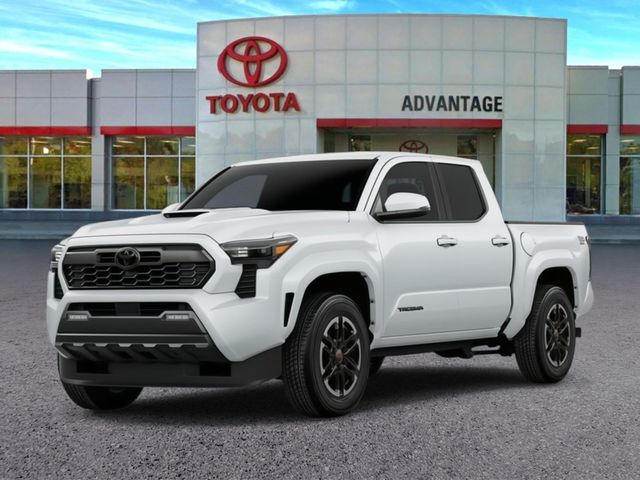
Local dealerships typically offer a varied selection of affordable used Toyota models to meet different needs and budgets. Common choices include the Toyota Corolla, Camry, RAV4, and Highlander, each with distinct feature sets and price points. Availability depends on local inventory and market demand, but many listings present well-maintained vehicles suitable for practical use.
Beyond the most common models, shoppers may also find smaller crossovers, compact hatchbacks, and older hybrid variants. Inventory cycles frequently change, so visiting dealer listings regularly or setting search alerts can help you find a specific model, trim, or equipment package. When searching, consider which features are essential to you—such as cargo capacity, rear-seat comfort, or advanced driver-assistance systems—so you can filter options efficiently.
The Corolla and Camry are well regarded in the used market for their reliability and fuel economy. Best-value examples are often recent model years that include current safety and technology features at competitive prices. For example, a 2020 Corolla may range from $20,000 to $25,000, while a 2019 Camry is commonly priced between $24,000 and $30,000. Both models deliver strong safety ratings and a comfortable driving experience, making them sensible options for budget-conscious buyers.
When evaluating Corollas and Camrys, look for consistent maintenance records and evidence of regular servicing. Consider trim levels when comparing value: higher trims often include comfort and safety upgrades that can be cost-effective compared with adding aftermarket options. For many buyers, a lightly used higher-trim vehicle can provide a better ownership experience than a heavily used base model.
Practical tips: check for recent timing-belt or brake work if applicable, confirm tire condition, and inspect interior wear. If you rely on fuel savings, compare real-world fuel economy reports from owners in similar driving conditions to get a realistic expectation for long-term running costs.
The RAV4 and Highlander serve different needs for space and versatility. The RAV4, as a compact SUV, generally occupies a lower price band, with 2019–2021 models often falling between $25,000 and $35,000. The Highlander, a midsize SUV, typically ranges from $35,000 to $45,000 depending on trim and features. Both vehicles include advanced safety systems, roomy interiors, and competitive fuel efficiency, making them practical choices for families and active lifestyles.
Choose the RAV4 if you prioritize urban maneuverability, efficiency, and a compact footprint with versatile cargo options. The Highlander is better if you need third-row seating or additional cargo/passenger flexibility for larger families. When comparing individual vehicles, evaluate suspension condition, interior ergonomics, and available cargo accessories like cargo covers or roof rails that support your typical activities.
Inspections should focus on the condition of the suspension components, wheel alignment, and any signs of uneven tire wear that may indicate prior impact or neglect. For vehicles with towing packages or frequent loads, verify the service history for recommended maintenance on higher-stress components.
Selecting a Toyota Certified Pre-Owned vehicle provides several tangible advantages. CPO vehicles undergo thorough inspections and include extended warranty coverage, which supports long-term reliability. The certification adds a layer of assurance that can increase the vehicle's overall value to the buyer.
Other benefits often include an expanded vehicle eligibility window, standardized reconditioning work completed by dealer technicians, and the convenience of bundled service offerings. For buyers who want predictable ownership costs, CPO vehicles can simplify budgeting by reducing the likelihood of unexpected repairs in the short term.
Toyota's certification process includes a comprehensive 160-point inspection covering mechanical systems and interior condition. This assessment verifies that each vehicle meets Toyota's quality standards. Certified vehicles also include a 12-month/12,000-mile comprehensive warranty and a 7-year/100,000-mile limited powertrain warranty, offering additional reliability assurances.
The inspection typically covers engine, transmission, brakes, suspension, steering, electrical systems, and interior/exterior condition. Any defects identified during inspection are generally repaired to meet certification standards before the vehicle is advertised as CPO. Buyers should request the inspection checklist and a copy of completed repair invoices when available to review what work was performed prior to sale.
Beyond inspection and warranty coverage, certified pre-owned Toyotas provide extended service benefits such as 24-hour roadside assistance for seven years. The combination of warranty protection and service support delivers measurable peace of mind for buyers.
Roadside assistance typically covers towing, battery jump-starts, lockout assistance, and limited emergency transportation. For buyers who travel frequently or rely on their vehicle for commuting, these services can provide meaningful convenience. Be sure to verify the precise terms of roadside assistance and warranty transferability if you plan to resell the vehicle in the future.
Financing or leasing a used Toyota is accessible through several established options. Reviewing these choices helps identify the plan that best aligns with your financial objectives and cash-flow requirements.
Start by assessing your credit profile and monthly budget. Running a soft credit inquiry for pre-approval can give you realistic loan terms to compare against dealer offers. Understanding your cash down payment, trade-in value, and target monthly payment range will improve negotiations and shorten the purchase process when you find the right vehicle.
Buyers may consider traditional auto loans, lease arrangements, or manufacturer financing when purchasing a used Toyota. Dealerships, including Advantage Toyota, frequently offer competitive rates and flexible terms to accommodate varying budgets. A pre-approval process is often available to clarify financing capacity before a dealership visit.
Compare loan offers from multiple lenders, including banks, credit unions, and dealership partners. Credit unions often provide competitive rates for members, while dealer financing can include promotional offers or incentives tied to certified pre-owned programs. Evaluate the total cost of financing—not just the monthly payment—by reviewing the interest rate, loan term length, and any origination fees or prepayment penalties.
When considering a trade-in, obtain an independent estimate of your vehicle's value beforehand. Knowing the trade-in value helps you calculate down payment and loan-to-value ratios, which impact approval and interest rates.
Leasing a used Toyota can lower monthly payments and reduce initial outlay while allowing access to newer models on a shorter cycle. Flexible lease terms typically require smaller down payments and offer multiple mileage options, enabling buyers to select arrangements that match their driving patterns. Leasing provides access to recent-model benefits without the long-term commitment of ownership.
Used-vehicle leases may have different terms than new-vehicle leases; inspect mileage allowances, wear-and-tear standards, and end-of-lease charges carefully. If you drive long distances, compare lease mileage limits against your typical annual driving to avoid penalties. For many shoppers, leasing offers an option to enjoy a dependable vehicle for a limited period with predictable monthly costs.
Consistent maintenance is important to preserve a used Toyota's performance and longevity. Advantage Toyota offers a full range of service options to maintain vehicle condition and operational reliability.
Service centers staffed by manufacturer-trained technicians often have direct access to genuine parts and factory service procedures. This access can be valuable for complex repairs or when maintaining factory-specified intervals. For routine maintenance, dealers usually provide oil changes, multi-point inspections, scheduled services, and recall repairs.
Scheduled maintenance—such as oil changes, tire rotations, and brake inspections—helps prevent avoidable failures and sustain performance. Following the recommended service intervals improves safety, supports fuel efficiency, and contributes to a better overall driving experience.
Create a simple maintenance log for your vehicle that records dates, mileage, and work performed. This log not only helps you stay on schedule but also increases resale value by demonstrating consistent care to prospective buyers. Keep an eye on fluid levels, unusual noises, and dashboard indicators between scheduled visits so potential issues can be addressed early.
Advantage Toyota provides multiple appointment pathways to fit busy schedules. Customers may schedule service online or by phone, with service hours from Monday to Saturday. The dealership performs routine maintenance, inspections, and repairs to ensure vehicles receive appropriate care.
When booking an appointment, request an estimated time and cost for the planned service, and ask whether a loaner vehicle or shuttle service is available if you need transportation while the vehicle is being serviced. Confirm whether the service center honors extended warranties or third-party service plans so you can coordinate coverage if applicable.
Customer testimonials and local buying guides offer practical perspectives on the used Toyota purchase process. These resources clarify common expectations and can aid buyers in preparing for a purchase.
Look for testimonials that mention after-sale service, transparency of pricing, and whether the buying experience matched expectations. Buying guides from local sources can add neighborhood context—such as common road conditions, parking considerations, or local emissions requirements—that may affect model suitability in Valley Stream.
Valley Stream customers commonly report satisfaction with vehicle reliability and performance, and they note positive interactions with dealership staff. Feedback frequently highlights vehicle quality and professional service, which can reinforce buyer confidence.
In addition to online reviews, ask the dealership for local references or anonymized customer satisfaction data if available. Speaking directly with recent buyers about their experience can reveal helpful details about negotiation flexibility, transparency on vehicle condition, and after-sale support.
Local buying guides provide comparative analysis, pricing benchmarks, and inspection advice to help buyers evaluate options. Using these resources can identify the models and features that best fit your requirements and budget.
Guides often include checklists for pre-purchase inspections, tips for test drives, and negotiation strategies tailored to local market conditions. Use these checklists during in-person visits to ensure you cover items such as body panel alignment, tire wear, and evidence of previous collision repairs.
The used vehicle market is evolving, with specific trends shaping buyer preferences and inventory composition. Awareness of these trends can inform purchasing timing and model selection.
Trends are driven by new model introductions, fuel-price expectations, and broader consumer priorities such as efficiency and cabin technology. Monitoring local inventory and demand cycles can help you decide whether to buy now or wait for more favorable selection or pricing.
Demand for used hybrid Toyotas has increased due to interest in fuel-efficient and lower-emission vehicles. Models such as the Prius and RAV4 Hybrid are sought for their strong fuel economy and reduced environmental impact. This trend aligns with a broader move toward sustainability in vehicle choice.
Hybrid ownership can bring benefits beyond fuel savings, including quieter operation at low speeds and potential eligibility for certain local incentives or low-emission zones. When considering a hybrid, review battery condition and service history to ensure hybrid-specific components have been maintained according to manufacturer guidelines.
Economic factors, including interest-rate changes and shifts in consumer behaviour, affect financing and leasing affordability. Variations in rates can alter monthly costs, and broader market conditions may influence model availability. Buyers should monitor market trends and financing offers to identify favourable opportunities.
In uncertain markets, having flexible purchase criteria—such as openness to different model years, trims, or certified pre-owned inventory—can help you find a good value. Consider timing your purchase to align with seasonal promotions or dealer sales events when financing incentives are more available.
Clear pricing and accurate vehicle information are essential to building customer trust. Advantage Toyota commits to presenting precise details for its used vehicle listings to support informed decisions.
Transparency typically includes vehicle condition reports, clean title disclosure, and a thorough inventory listing that identifies included features and optional equipment. When information is readily accessible online, buyers save time and can pre-qualify vehicles before visiting the lot.
Each listing includes detailed specifications such as mileage, condition, price, and warranty coverage. Providing these facts enables buyers to assess vehicle value and compare options effectively, supporting confident purchases.
In addition to core specifications, good listings often show recent service history, a vehicle history report, and multiple photos of both interior and exterior. Requesting a walk-around video or additional high-resolution images can further clarify a vehicle's condition when shopping remotely.
Structured data improves the visibility and organisation of vehicle information online. By using structured data, Advantage Toyota enhances search results and helps customers locate accurate, relevant details about listed vehicles, which improves the overall shopping experience.
Structured listings can surface key data—such as make, model, year, mileage, and price—directly in search results, reducing the time it takes to identify appropriate inventory. For shoppers, this means more efficient comparison shopping and faster access to vehicles that meet specified criteria.
Booking a test drive or service appointment at Advantage Toyota is designed to be efficient and user-friendly, accommodating customer schedules and preferences.
Preparing for your visit improves the value of a test drive: bring your driver's license, proof of insurance if required, a clear idea of your daily driving needs, and a list of questions about a vehicle's history or features. If you plan to trade in a vehicle, bring the title or payoff information and recent maintenance records to streamline appraisal.
To schedule a test drive, complete the online form or contact the dealership directly. The process is straightforward, allowing prospective buyers to evaluate the vehicle in person. Appointment confirmations are typically provided to ensure a smooth visit.
During the test drive, assess acceleration, braking, steering responsiveness, visibility, infotainment usability, and seat comfort for trips that match your typical driving. Test a vehicle on a mix of local roads and any highways you frequently use to get an accurate impression of day-to-day performance.
Maintenance appointments can be arranged online or by contacting the service department. The dealership offers a range of services to keep used Toyotas in proper condition, reflecting its commitment to customer care and vehicle upkeep.
When arranging service, mention any warranties or service contracts so the service advisor can apply appropriate coverage. Ask for estimates before authorization, and request photos or short summaries of any recommended additional repairs so you can prioritize work by safety and budget impact.
When purchasing a used Toyota, review the vehicle history, mileage, overall condition, and maintenance records. Assess the model's reliability and safety ratings, and factor in your budget and financing options. Consider certified pre-owned availability for extra protection, and test drive the vehicle while researching dealership reputation.
Also verify title status for salvage or rebuilt designations, check for open recalls specific to the model year, and confirm that emissions and safety inspections meet local requirements. Bringing a trusted mechanic for a pre-purchase inspection is a low-cost step that can reveal issues not obvious in a short test drive.
Dealerships, including Advantage Toyota, periodically offer promotions such as price discounts, financing incentives, or trade-in bonuses. Offers vary by season and inventory levels, so consult the dealership website or contact them for current promotions. Subscribing to newsletters or following the dealership on social media can provide timely updates.
Promotions sometimes include reduced APR financing for qualified buyers, short-term specials on certified pre-owned models, or bundled maintenance packages. Ask the dealership what promotions apply to the vehicle you are considering, and confirm any eligibility requirements before finalizing financing.
To obtain the best price, research the market value of the specific model using resources such as Kelley Blue Book or Edmunds. Use that data to negotiate with the dealership, and be prepared to decline offers that do not meet your expectations. Purchasing near month-end or during sales events can improve leverage for a better deal.
Bring competing listings and documented market values to support your offer, and be transparent about financing if pre-approved. When negotiating, consider the total out-the-door price including taxes, fees, and dealer charges rather than focusing only on the sticker price.
Purchasing a used Toyota can offer lower acquisition costs, reduced depreciation, and potentially lower insurance expenses. Buyers can often access higher trims or additional features within their budget. Certified pre-owned options provide inspection and warranty coverage, delivering quality assurance without the new-car price.
Used vehicles can also reduce the immediate financial hit of purchase compared to new models, and the slower depreciation curve for a well-maintained used Toyota often results in better long-term value retention per dollar spent.
Determine suitability by evaluating daily needs such as passenger capacity, cargo requirements, and fuel efficiency. Consider driving frequency, typical trip types, and whether features like all-wheel drive or advanced safety systems are necessary. Test-driving multiple models will help confirm comfort and practicality for your lifestyle.
Factor in parking availability, garage clearance, and any regular towing or cargo demands. If you commute in stop-and-go traffic, prioritize fuel economy, cabin comfort, and driver-assistance features that reduce fatigue over long-term use.
If issues arise after purchase, consult any applicable warranties or service agreements and contact the selling dealership for assistance. Certified pre-owned vehicles may include additional protections. For persistent problems, seek a second opinion from a trusted mechanic to ensure accurate diagnosis and repair.
Keep records of all communications and service visits related to the issue. If the vehicle is covered by a manufacturer or dealer warranty, follow their instructions to ensure repairs are authorized and documented correctly. If you encounter recurring problems shortly after purchase, ask the dealer about return policies or mediation processes outlined in your purchase agreement.
