

Selecting the right Toyota can feel overwhelming given the available options. This guide streamlines your search for top Toyota vehicles nearby—whether you are looking for new models, quality used cars, or lease offers. You will find information on current Toyota models, the benefits of buying locally, and how to access competitive financing. Many buyers find model features and financing options confusing; this article clarifies popular models, leasing choices, and financing strategies. We also review new inventory, the advantages of local used purchases, and the services available at Advantage Toyota, 400 W Sunrise Highway, Valley Stream, NY 11581-1004.
The goal here is practical: provide clear next steps you can act on when researching, comparing and deciding on a Toyota vehicle. Whether you plan to visit a dealership for a hands-on inspection or prefer contacting sales and finance teams remotely, the guidance below helps you prepare questions, compare offers objectively and get the best value for your needs.
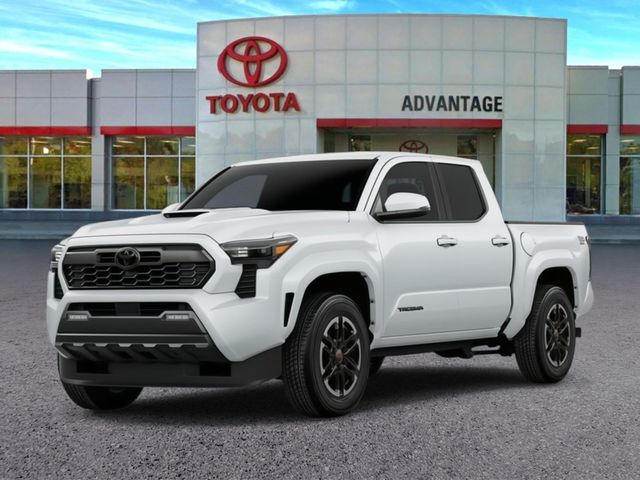
Know which new Toyota models are available in your area before you shop. Toyota's lineup spans compact sedans to roomy SUVs. Availability varies by dealership, but models such as the Camry, RAV4, and Corolla are commonly stocked at local dealers.
Dealership inventory changes frequently. When searching, use dealer websites to check current stock and available trims. If you have a specific trim, color or option in mind, contact the dealership to confirm availability or to request a transfer from nearby stores. Doing so saves time and lets you focus on the models and equipment levels that match your priorities.
When considering a model, think about primary use: daily commuting, family transport, or occasional long trips. Each usage pattern favors different features—cargo space, fuel economy, ride comfort and infotainment options. Take notes on must-have versus nice-to-have items so you can quickly narrow choices when inventory is limited.
In New York, certain Toyota models are frequently chosen for reliability and performance. The Camry is noted for fuel efficiency and a comfortable ride, well suited to commuters. The RAV4 provides versatile cargo space and advanced safety features, appealing to families and outdoor users. The Corolla combines affordability with strong fuel economy, making it a practical option for first-time buyers.
Urban buyers often prioritize maneuverability, parking ease and efficiency, while suburban and rural buyers may put more weight on cargo space and all-weather capability. Test driving the models you are considering on the types of roads you use most often—city streets, highways, or rural routes—gives a realistic sense of which model fits your daily life.
Look at the available trim levels for each model. Higher trims may include comfort and convenience upgrades that matter to some buyers, while base trims deliver core reliability and lower cost. Reviewing trim comparisons on the dealer site or asking a salesperson for a printed features list helps you compare apples to apples.
New Toyota models include features that enhance safety, comfort, and convenience. Key benefits include:
These features enhance the driving experience and support the vehicle's long-term value.
When reviewing feature lists, consider which systems provide real value for your driving patterns. Active safety systems—automatic emergency braking, lane-keeping assist and adaptive cruise control—are particularly helpful in busy traffic and on longer highway trips. Infotainment improvements and comfort options can make daily drives more pleasant and may increase resale appeal if you decide to sell or trade the vehicle later.
If fuel economy is a priority, compare hybrid and non-hybrid variants of the models you like. Hybrids often deliver better fuel efficiency in city driving and stop-and-go traffic. Evaluate the trade-offs between purchase price, fuel savings and preferred driving characteristics to decide which powertrain best suits your budget and lifestyle.
To find quality used Toyotas, know where to search and what to inspect. Local dealerships commonly offer certified pre-owned vehicles that have passed detailed inspections to verify reliability and performance.
Start with dealership listings, then expand to reputable online marketplaces and local classifieds if you are comfortable managing private sales. Dealerships provide added protection: inspection records, reconditioning, and warranty coverage, which can reduce risk compared with private-party purchases.
When you find a used vehicle of interest, request the vehicle history summary and maintenance records. Review them for consistent service, accident history, title status and any recurring issues. If records are incomplete, consider having a trusted mechanic perform an independent pre-purchase inspection before committing.
Advantage Toyota offers certified pre-owned vehicles that meet strict standards. Each vehicle receives a comprehensive inspection of the engine, transmission, brakes and other key systems. Certified vehicles include a limited warranty to provide buyer reassurance.
Certified pre-owned programs typically include a multi-point inspection and reconditioning process. Advantage Toyota's approach focuses on mechanical soundness, appearance and documented service. This process aims to ensure the vehicle meets a consistent standard prior to sale, which reduces the risk for buyers compared with non-certified used cars.
If a certified vehicle interests you, ask for the inspection checklist and warranty details in writing so you clearly understand what is covered and for how long. Knowing the coverage scope—what's included, what's excluded and any deductible—helps you weigh the certified option against lower-priced non-certified vehicles.
Buying a used Toyota from a local dealer provides several advantages:
These factors make local dealerships an attractive option for buyers seeking a used Toyota.
Beyond these points, local purchases simplify follow-up service and warranty claims since you can return to the same dealership for service and support. Building a relationship with a local service department can also make scheduling routine maintenance and future repairs more convenient.
Finally, local dealerships may offer financing on used cars and help manage trade-ins, which can streamline the transaction into a single visit rather than coordinating across multiple parties.
To access competitive lease deals, review current offers at local dealerships. Dealers such as Advantage Toyota often run promotions that can reduce monthly payments.
Timing and preparedness help you capture the best lease offers. Check dealer websites frequently, subscribe to mailing lists for promotions, and be ready to act when an offer matches your needs. If you are flexible on model or color, you may be able to secure a better deal by considering available inventory rather than waiting for a specific configuration.
Ask the dealership to break down lease quotes in writing including capitalized cost, residual value, money factor, taxes and fees. Comparing written quotes from multiple dealerships enables a clear assessment of actual cost differences and helps you negotiate with confidence.
Advantage Toyota provides several lease options to suit different needs:
These options offer flexibility and affordability for customers seeking to lease a new Toyota.
When discussing lease options, clarify mileage allowance, excess-mileage charges, wear-and-tear standards and end-of-lease procedures. Knowing these terms can prevent unexpected costs at lease-end and guide your choice of mileage package and protective measures such as maintenance plans or wear protection.
Ask whether the dealership offers early termination policies, lease transfers or buyout options. Understanding exit strategies before signing provides flexibility if your life circumstances change during the lease term.
Compare lease offers using the following criteria:
Assessing these elements will help you identify the best lease for your needs.
Beyond the basic criteria, compare the total cost over the lease term, including fees and any required items at signing. A low monthly payment may be accompanied by higher fees or a larger due-at-signing amount. Create a simple spreadsheet or written comparison that lists the total expected cost for each quote to see which offer truly represents the best value.
Also consider intangible factors such as the dealer's reputation for customer service and maintenance convenience. A slightly higher cost at a trusted dealer with easy service options may be worth it compared with a lower-cost offer that creates hassle later.
Toyota provides financing options including traditional loans, leasing, and special programs for eligible buyers.
Local dealerships often partner with multiple lenders, which can help buyers with different credit profiles find appropriate loan structures. Speak with the dealership finance team about available programs, eligibility criteria and whether manufacturer incentives apply when financing through the dealer.
To qualify for financing at Advantage Toyota, apply online or in person and provide documents such as proof of income and credit history. The finance team will assist in identifying the most suitable financing solution for your situation.
Prepare the following to streamline approval: recent pay stubs or proof of income, proof of residence, a government-issued ID and a list of monthly expenses. If you have existing loans or a co-signer, disclose that up front so the finance team can model realistic monthly payment options and suggest the best path forward.
If you have concerns about credit, ask the finance team about programs for buyers with challenged credit and whether a larger down payment or co-signer would improve available rates. Transparency during the application process helps the team present accurate offers and avoids surprises during final paperwork signing.
Financing through a local Toyota dealership like Advantage Toyota offers several advantages:
These advantages make dealership financing a convenient and often advantageous choice for buyers.
Dealership finance teams can also consolidate the transaction if you have a trade-in, which can simplify paperwork and make it easier to understand the net amount you will finance. Ask for an itemized breakdown of the transaction so you see the vehicle price, trade-in credit, taxes, fees and financed amount clearly.
Advantage Toyota provides comprehensive services across ownership, including maintenance, repairs, and financing support.
Service departments at dealerships typically handle routine maintenance, warranty repairs and more extensive diagnostics. Using the dealer for scheduled maintenance preserves service records in one place, which can support resale value and evidence of proper upkeep.
Schedule maintenance and repairs using the dealership's online booking tool. Services include oil changes, tire rotations and brake inspections to help keep your vehicle in proper condition.
When booking, specify whether you need loaner transportation or shuttle service, and inquire about expected turnaround times for routine services. Ask for a written estimate before approving any additional repairs so you can make informed decisions and avoid unexpected charges.
Keep a maintenance log or retain service receipts. A clear maintenance history demonstrates care and can make trade-ins or future sales smoother and more valuable.
Using Toyota-certified service delivers several advantages:
These advantages underscore the value of certified service for maintaining vehicle performance.
Certified service centers often follow manufacturer-recommended maintenance schedules closely, which helps preserve warranties and ensures vehicles are serviced with appropriate fluids and parts. If your vehicle is still under warranty, using certified service can simplify warranty claims and give you a single point of contact for covered repairs.
Trading in at a Toyota dealership can streamline the purchase process by applying the trade-in value toward a new vehicle, which reduces the overall cost.
Before visiting the dealer, prepare your vehicle: clean it inside and out, gather service records and have keys and remotes ready. A well-presented vehicle makes a better impression and can positively influence the appraisal outcome.
The trade-in appraisal at Advantage Toyota follows several steps:
This approach promotes transparency and helps you understand your trade-in's value.
Bring receipts for recent maintenance and any records of repairs or parts replacements. These documents support higher trade-in values by showing consistent care. If you received multiple offers, present them to the dealer; sometimes they will match or beat competing quotes.
Remember that a trade-in convenience fee is often compensated by the dealer handling title transfer and other paperwork. Compare the convenience and net financial result of trading in versus selling privately to determine which approach yields the best outcome for you.
Applying trade-in value to the down payment reduces the amount financed or leased, which can lower monthly payments and overall costs.
When calculating the impact of a trade-in, ensure the dealer applies the agreed trade-in value clearly on the purchase contract and that you understand how it affects taxes and fees in your jurisdiction. In some areas, trading in can reduce taxable amount on the new purchase, which affects final costs.
Prospective buyers frequently have similar questions; answering them can clarify the decision-making process.
Below are expanded answers and practical tips to help you prepare for each stage of the purchase or lease process, from research through ownership.
Families benefit from models like the RAV4 and Highlander for their space and safety features. Commuters may prefer the Camry or Corolla for their fuel efficiency and comfort during daily drives.
When choosing between family-oriented models and commuter-friendly sedans, consider passenger seating, cargo access, child-seat compatibility and driver-assist technologies that reduce fatigue. Test seating arrangements with the child seats or cargo you normally carry to confirm fit before deciding.
To find local Toyota deals and incentives, use the following strategies:
These actions can help you obtain competitive offers on Toyota vehicles.
Also consider asking about dealer-specific incentives, loyalty programs, or fleet offers if relevant to your situation. Comparing all available incentives against the negotiated sale price ensures you understand the real cost and benefits of each offer.
Advantage Toyota is located at 400 W Sunrise Highway, Valley Stream, NY 11581-1004 and is accessible to customers in the surrounding area.
If you're planning a visit, call ahead to confirm vehicle availability and reserve a test drive. Confirming ahead can reduce waiting time and ensure a salesperson is available to answer questions and provide documentation such as window stickers and vehicle history reports.
For inquiries, customers can reach Advantage Toyota at (516) 596-8386. The dealership's hours are structured to accommodate varied schedules, making it straightforward to visit or call for assistance.
When calling, prepare a list of specific questions—desired model, trim, financing options, trade-in process and any service needs—so the conversation is productive and staff can provide accurate information promptly.
Use GPS for directions to Advantage Toyota. The dealership is near identifiable landmarks and is accessible by public transport for customers who prefer not to drive.
If you plan to use public transportation, check local transit schedules in advance and allow extra time for transfers. If driving, review parking availability and any visitor parking instructions the dealership provides to make your visit efficient.
Compare budget, warranty and features when choosing new versus used. New vehicles include current technology and full warranties. Used cars typically cost less and depreciate more slowly. Evaluate your driving needs, financing options and local availability to decide based on your financial situation and preferences.
Also consider total cost of ownership, including insurance, maintenance and fuel. New vehicles often have the latest safety and efficiency technologies, while well-maintained used vehicles can offer significant savings with many of the same core features.
Many dealerships, including Advantage Toyota, offer promotions for first-time buyers such as reduced financing rates, cash rebates, or exclusive lease offers. Ask the dealership about current first-time buyer programs and check their website regularly for updates to secure the best available offer.
First-time buyer programs can include finance or lease incentives, but program availability changes. Discuss eligibility requirements and document needs with the finance team so you know what to expect during application.
Improve approval odds by maintaining a good credit score, paying bills on time and reducing debt. Prepare documents such as proof of income and employment. Seek pre-approval to define your budget and strengthen your negotiating position. Consult the dealership's finance team for personalized guidance and options.
Pre-approval provides clarity on what you can afford and simplifies the shopping process. If needed, ask about co-signers or secured financing options the dealership may offer when conventional financing is difficult to obtain.
Leasing typically results in lower monthly payments, access to current models, and the option to drive a new vehicle every few years. Lease agreements often include warranty coverage that reduces maintenance costs and offer flexibility in mileage and vehicle choice for those who do not want long-term ownership.
Consider whether you plan to drive above-average miles or customize the vehicle; if so, buying may be more appropriate. If you prefer predictable monthly costs and a new-car experience frequently, leasing is often attractive.
Research the models you are interested in to understand their features and specifications. Prepare a list of questions about performance, safety and technology. Bring your driver's license and any required documents on the day of the test drive. Use the drive to evaluate comfort, handling and visibility to ensure the vehicle meets your needs.
During the test drive, try typical routes you would regularly travel on, including parking and merging onto highways if relevant. Test climate controls, infotainment responsiveness and seat comfort to confirm the car meets everyday usability expectations.
Toyota's warranty typically includes a basic warranty covering 3 years or 36,000 miles and a powertrain warranty for 5 years or 60,000 miles. Many new Toyota vehicles also include complimentary maintenance for the first two years or 25,000 miles, covering routine services such as oil changes and inspections. Understanding these warranties helps you make an informed decision and maintain your vehicle in optimal condition.
Ask the dealership for full warranty terms and any optional extended plans. Review what is covered and whether recommended maintenance must be performed at the dealer to preserve warranty coverage. Clarify how warranty claims are handled to be prepared should an issue arise during ownership.
