

Buying a vehicle is a major decision; many buyers choose certified pre-owned (CPO) options for their reliability and value. This guide explains the benefits of selecting a CPO Toyota in Elmont and identifies the features that make these vehicles a prudent choice. It describes the Toyota Certified Pre-Owned program, the advantages of CPO ownership, and the inspection and warranty processes that maintain quality. With this information, prospective buyers can evaluate options and make decisions aligned with their requirements.
The Toyota Certified Pre-Owned program combines affordability with assurance, making it a suitable option for buyers seeking a used vehicle. This guide examines the benefits of CPO Toyotas, the rigorous inspection they undergo, the warranty coverage provided, and the local advantages of purchasing a CPO Toyota in Elmont.
When evaluating whether a CPO Toyota fits your needs, consider how it aligns with long-term goals such as ownership horizon, expected annual mileage, and maintenance preferences. CPO options are often chosen by buyers who want a near-new vehicle experience without the new-vehicle price premium. Throughout this guide we highlight practical steps—from what to look for on a test drive to questions to ask the dealer—so you can compare CPO vehicles with alternative paths like a conventional used car or a new model purchase.
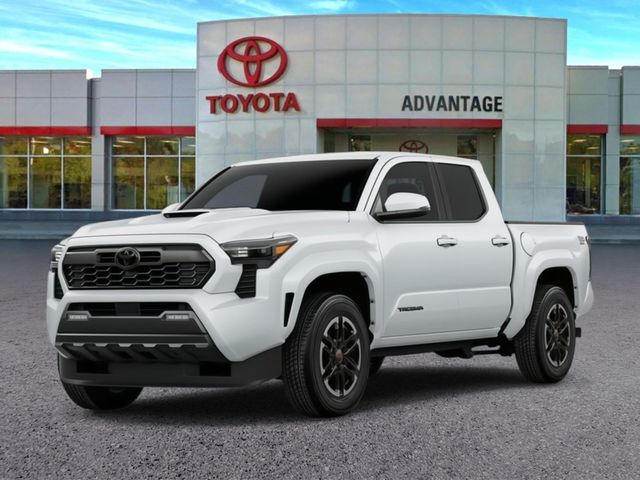
The Toyota Certified Pre-Owned program provides buyers with used vehicles that meet strict standards. Each vehicle receives a comprehensive multi-point inspection to verify it meets Toyota's quality criteria. The program also includes benefits such as roadside assistance and a limited warranty, offering buyers additional assurance.
The multi-point inspection evaluates more than 160 items across mechanical, safety, and cosmetic categories. This assessment helps ensure each CPO Toyota is in sound condition. The program also supplies a vehicle history report to inform buyers about the car's past and promote transparency.
Beyond the inspection and the history report, CPO vehicles are typically reconditioned to meet the program's appearance and performance standards. Reconditioning may include repairs, part replacements, and cosmetic work performed to Toyota guidelines. Working through a dealer network allows these repairs to be completed using factory-recommended parts and procedures, which helps maintain the vehicle’s value and performance consistency.
Finally, the CPO designation is intended to simplify due diligence for buyers: certification signals that the vehicle has been vetted by trained technicians and that documented reconditioning and warranty coverage accompany the sale. Even so, buyers should review the certification paperwork and ask for a walk-through of the inspection findings so they understand exactly what was addressed before the vehicle reached the sales lot.
Purchasing a certified pre-owned Toyota provides several advantages that improve the ownership experience. Key benefits include:
For buyers considering a CPO Toyota, these combined benefits present a compelling option. Advantage Toyota facilitates the purchase process and delivers service and support throughout the transaction.
To illustrate how these benefits play out in practice: reduced ownership risk comes from the combination of inspection, reconditioning, and warranty protection that reduces the probability of encountering large, surprise repairs in the first months of ownership. A clear vehicle history allows you to confirm maintenance records, prior ownership, and any reported incidents, which helps estimate future reliability. Financing advantages can include tailored loan terms from lenders that work closely with trusted dealerships; comparing those offers with outside lenders is still a recommended step for most buyers.
When weighing a CPO Toyota against a non-certified used car, consider not only the sticker price but the total cost of ownership: anticipated repairs, typical maintenance, and resale value. In many cases, the CPO package reduces risk and can result in lower unexpected expense over the first years of ownership compared to an uncertified used vehicle of similar age and condition.
The inspection process is central to the Toyota Certified Pre-Owned program. Each vehicle undergoes a rigorous multi-point inspection covering the following areas:
This thorough inspection confirms the vehicle's condition and gives buyers confidence in their purchase. Understanding the inspection steps clarifies the value and assurance provided by CPO vehicles.
In more detail, the mechanical evaluation typically examines engine performance, transmission function, steering and suspension components, the charging and starting systems, and any visible fluid leaks. Technicians will test-drive the vehicle to detect drivability issues that might not appear during a static inspection. Safety checks commonly include verifying brake pad and rotor condition, tire wear and pressure, airbag system readiness, seatbelt operation, and the functionality of lighting systems.
The cosmetic assessment tends to focus on areas that affect the driving experience and resale value: paint and body condition, windshield and glass integrity, interior wear, and functionality of interior systems such as infotainment and climate control. When the inspection identifies issues, dealers typically perform repairs or replace components to bring the vehicle up to certification standards. As a buyer, ask the dealer to show the inspection checklist and note which items required reconditioning and which were recorded as acceptable.
Knowing the inspection protocol can also guide your own pre-purchase checks. During a test drive, observe how the vehicle accelerates and brakes, listen for unusual noises, test climate and infotainment features, and verify that dashboard warning lights remain off. Cross-reference your observations with the inspection report to ensure that any concerns you notice were reviewed and addressed.
Warranty coverage is a major advantage of buying a CPO Toyota. The program provides the following coverage:
| Coverage Type | Duration | Details |
|---|---|---|
| Comprehensive Warranty | 12 months/12,000 miles | Covers a wide range of components, ensuring peace of mind for buyers. |
| Limited Powertrain Warranty | 7 years/100,000 miles | Provides extended protection for critical engine and transmission components. |
| Roadside Assistance | 24/7 support | Offers help in case of emergencies, enhancing the ownership experience. |
This warranty coverage protects buyers from unexpected repair costs and reinforces the reliability of CPO vehicles. A vehicle backed by clear warranty terms can substantially influence a buyer's decision.
It is important to read the warranty documents carefully so you understand which repairs are covered, what documentation is required to file a claim, and any maintenance responsibilities you must fulfill to keep the coverage valid. Warranties generally have exclusions and conditions—routine maintenance items and wear-and-tear parts are commonly handled outside warranty terms—so maintain service records and follow the recommended maintenance schedule provided in the owner's manual.
Roadside assistance typically covers common road incidents such as battery jump-starts, flat tire assistance, lockout assistance, and towing to the nearest authorized facility when necessary. Confirm with the dealer how to access roadside assistance (phone, app, or membership number) and whether coverage is limited to certain geographies or available nationwide. Knowing these details before you need them makes roadside service faster and less stressful.
Selecting a CPO Toyota in Elmont offers local advantages that improve the buying experience. These include:
These factors make purchasing a CPO Toyota in Elmont a sound financial choice and a way to support local businesses and the community.
Buying locally also makes follow-up service and warranty work more convenient because you can return to the same service department that handled the certification and reconditioning. Local dealers often retain a record of the vehicle’s service history in their systems, which simplifies warranty claims and scheduled maintenance. Additionally, test drives and inspections are easier to schedule when the seller is nearby, which can reduce logistical friction during the decision process.
When considering a local purchase, ask the dealer about recommended maintenance plans, service appointment availability, and any dealership-specific benefits such as inspection walk-throughs or extended service hours. These operational details can improve long-term ownership satisfaction and help you budget for routine care.
A CPO Toyota undergoes a strict inspection and must meet Toyota's quality standards, ensuring it is in sound condition. A regular used Toyota may not have received comparable checks and could have undetected issues. CPO vehicles also include benefits such as a limited warranty and roadside assistance, offering greater assurance than standard used cars.
In practical terms, the certification process reduces uncertainty. A regular used car sold “as-is” may have limited if any post-sale protection and typically relies on any seller disclosure or visible condition alone. With a certified vehicle you gain documented inspection results, reconditioning steps, and an included warranty—each of which can reduce the potential for immediate, unexpected repair bills. That said, always review the certification paperwork, test-drive the vehicle, and, if desired, obtain an independent inspection to complement the dealer's report.
Financing for CPO Toyotas commonly includes competitive rates offered by dealerships such as Advantage Toyota. Buyers can apply for financing through the dealership, which may present options suited to different credit profiles. Dealerships often work with banks and financial institutions to obtain favorable loan terms. Buyers should assess their finances and compare financing options to identify the best fit for their budget.
To finance a CPO vehicle, start by gathering basic documents (proof of income, ID, and recent pay stubs) and consider getting pre-approved through your bank or credit union. Pre-approval provides a baseline for comparison when you receive offers from the dealer. At the dealership, ask for a complete breakdown of the loan terms: principal, interest rate, loan length, monthly payment, and any fees. Pay attention to total interest paid over the life of the loan, and consider different term lengths to balance monthly payments against overall cost. If you plan to trade in a vehicle, factor the trade-in value into the financing calculations and verify how it affects your loan-to-value ratio and monthly payment offers.
Yes. CPO Toyotas often offer optional extended warranties beyond the standard coverage. These plans provide additional protection against unexpected repairs and maintenance costs. Buyers should consult the dealership about available options and the specific coverage details to choose a plan that meets their needs.
Extended coverage options vary in scope and cost, so compare several offers and read the terms carefully. Evaluate whether the added cost of an extended plan is justified based on expected usage, the reliability track record of the model you're considering, and your personal risk tolerance. When considering an extended warranty, look at coverage limits, deductible amounts, authorized repair network limitations, and whether routine maintenance is required to keep the extended warranty valid. Documentation of regular service visits can be crucial if you later need to file a claim, so keep receipts and service records in an organized file.
When inspecting a CPO Toyota, check exterior and interior condition for major cosmetic damage. Review the vehicle history report for prior accidents or issues. Test drive the vehicle to evaluate performance and comfort. Verify that features and systems—such as brakes and electronics—function correctly, as these are covered by the multi-point inspection.
During the test drive, simulate common driving conditions you expect to encounter: highway speeds, stop-and-go traffic, and any local roads that stress the suspension. Note how the car accelerates, brakes, and handles corners. Check for consistent HVAC performance and proper operation of electronics including infotainment, navigation (if equipped), backup camera, and driver-assist systems. Inspect under the hood for any obvious fluid leaks, odd odors, or excessive corrosion. If you notice anything concerning, ask the dealer to explain how that issue was evaluated during certification and request documentation of any repairs made. If you require additional assurance, consider a short independent mechanical inspection before finalizing the purchase.
Yes. Negotiation is common for CPO Toyotas. Prices reflect condition and market value, but dealerships may consider offers, particularly when you present comparable market data. Vehicle age, mileage, and demand can affect negotiations. Preparing evidence and market research can improve your negotiating position.
Effective negotiation strategies include researching comparable listings for the same make, model, year, and equipment level; reviewing recent sales data if available; and factoring in any reconditioning that was required during certification. If you are trading in a vehicle, obtain an independent appraisal of its value so you can evaluate the dealer’s trade-in offer objectively. Be prepared to discuss financing terms, extended warranty pricing, and any dealer fees; sometimes dealers have flexibility on add-on packages or service plans. A respectful, well-documented approach usually yields better results than a confrontational style.
Purchasing from a local dealership such as Advantage Toyota provides personalized customer service and access to staff familiar with the local market. Local dealers often have a vested interest in their community, which can result in stronger post-purchase support. Buying locally also supports the local economy and contributes to community development.
Beyond community benefits, a nearby dealership can simplify routine service visits, warranty work, and recall repairs. You’ll typically find easier scheduling for maintenance appointments and the convenience of returning to the same service team that knows your vehicle’s history. Local dealerships can also assist with region-specific questions—such as cold-weather preparation or local registration procedures—and may host occasional owner events or service promotions that add value over time. Before buying, ask about the dealership’s service capacity, hours, and any customer satisfaction guarantees they offer to ensure the post-purchase experience meets your expectations.
