

By Advantage Toyota, Advantage Toyota of Valley Stream. Leasing a vehicle is a meaningful financial choice, especially for dependable brands such as Toyota. This article reviews Toyota lease deals in Elmont and explains the main factors to consider. We compare leasing and buying, outline potential savings, and summarise notable specials. We also describe services from Advantage Toyota that can support the leasing process. With clear information, readers can decide whether leasing fits their needs and budget. To make the decision practical, consider who benefits most from leasing: drivers who prioritise predictable monthly costs, those who prefer new safety and technology every few years, and business users who need flexible fleet options. Leasing can suit people who want fewer surprises in maintenance and prefer returning a car at term end instead of managing resale. Matching personal driving patterns, anticipated ownership horizon and cash flow preferences to lease features helps identify whether a lease is the better path.
Leasing a Toyota often brings distinct advantages. Monthly payments on a lease are typically lower than loan payments for a purchase. That lower cost can make newer models and current technology more accessible to more drivers. Leasing can suit those who prefer regular access to updated safety and convenience features without the higher purchase price.
Leasing also reduces exposure to long-term depreciation because the lessee returns the vehicle at lease end. Without concerns about resale value, the decision process is simpler for many drivers. Comparing these benefits with lease limitations, such as mileage caps, is essential before committing.
As a practical checklist, consider warranty coverage, the expected length of ownership, and how often you want to change vehicles. Leasing commonly keeps the car under manufacturer warranty for the contracted term, which can mean fewer unexpected repair expenses. If you value switching models frequently or need a reliable short-term option, leasing often aligns well. Conversely, if you plan to keep a vehicle long term and minimise total cost of ownership, buying may be preferable.
The financial case for leasing can be strong for many buyers. Leases commonly require lower initial outlays, which helps drivers start with reduced upfront costs. Monthly lease payments generally remain below finance payments for the same vehicle, supporting a steadier short-term budget.
Leases may also lower maintenance expenses during the term. Many lease agreements include routine maintenance, which reduces the risk of unexpected repair bills. Assessing these financial differences helps clarify whether leasing or buying is the better option for your situation.
When evaluating savings, focus on the total cost across the lease term: initial payment, monthly payments, expected maintenance, and estimated end-of-lease charges such as excess mileage or wear-and-tear fees. A simple way to compare is to total all expected outflows for the period you intend to drive the vehicle and compare that to projected ownership costs over the same timeframe. This approach keeps the comparison practical and helps surface costs that might otherwise be overlooked.
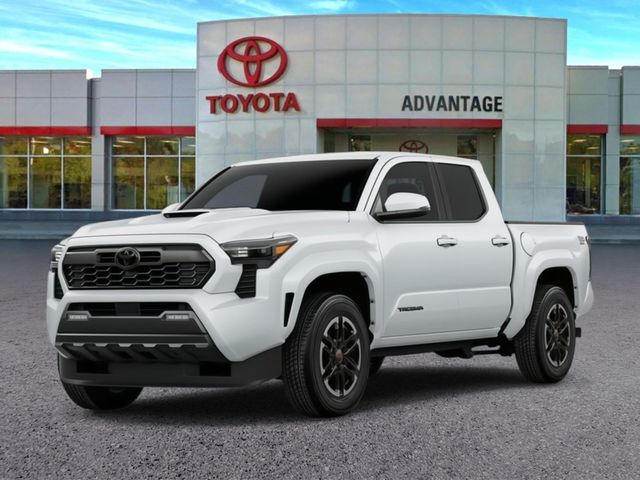
Several Toyota models offer notable lease terms. The Toyota Corolla LE is offered at $198/month for 39 months with a $3,995 down payment. The Toyota RAV4 LE AWD is available at $257/month for 39 months, also with a $3,995 down payment. The Toyota Tacoma SR5 4WD Double Cab leases for $267/month for 36 months with the same initial payment.
These advertised offers provide a range of choices so drivers in Elmont can match vehicle size and capability to their budget.
Keep in mind that advertised specials change with dealer inventory and manufacturer programs. Always confirm the full terms, eligibility criteria, and any dealer fees before assuming an advertised rate applies to your situation. Seasonal promotions, regional allocations, and credit-based tiers can influence final pricing, so obtaining a written quote that lists all charges and inclusive services will protect you from surprises.
Local incentives can improve the value of Toyota lease deals in Elmont by lowering costs through short-term promotions or reduced down payments. Some offers are targeted to specific customer segments and, where applicable, may include no-down-payment options for qualified applicants.
Reviewing these local incentives alongside standard lease terms can make leasing more affordable and accessible for residents who qualify.
When exploring incentives, ask whether offers are stackable with national promotions and whether any loyalty or conquest programs apply. Dealers sometimes provide additional conveniences such as complimentary first maintenance visits or flexible pickup options; these extras can improve the overall experience and should be part of the total value assessment.
Lease agreements for Toyota vehicles in Elmont commonly use fixed terms around 36 months. Standard mileage allowances are often near 10,000 miles per year, so prospective lessees should assess their driving needs before signing.
Exceeding the agreed mileage typically results in per-mile charges. Understanding these contract limits helps avoid unexpected end-of-lease fees and ensures the lease matches the driver’s usage.
Estimate your typical yearly mileage carefully and consider any planned travel or lifestyle changes over the lease period. If your driving pattern is higher than the standard allowance, discuss higher mileage packages up front as part of the lease negotiation. While those packages can raise the monthly payment, they often cost less than per-mile penalties charged at lease return for overage.
Financing affects lease costs through the rates applied and the resulting monthly payments. Credit score is a key factor: higher scores usually yield more favourable lease terms, including lower payments and improved offers from dealers.
Customers may finance leases through dealerships, which often provide promotional lease packages for current models and set varying down payment requirements. These dealership offers can simplify the leasing process for many buyers.
Third-party lenders are an alternative that can provide additional rate and term comparisons. Prospective lessees should evaluate both dealership and third-party options to secure the best available terms when leasing their Toyota vehicles in Elmont.
Before applying, gather common documentation such as proof of income, a driver’s licence, and recent banking statements to speed approvals. Pre-approval can provide bargaining leverage and clarify which offers you qualify for, making it easier to compare dealer proposals on a like-for-like basis.
Credit score strongly influences lease eligibility and the terms offered. Higher credit scores often result in lower monthly payments, reduced down payments, and a greater chance of approval. Lenders view stronger credit profiles as lower risk, which translates into better offers.
Conversely, lower credit scores can limit available lease options or increase costs. Knowing how credit affects leasing can help consumers prepare their finances before applying for a lease.
Many Toyota lease plans at Elmont-area dealerships include maintenance coverage such as ToyotaCare. ToyotaCare commonly covers routine maintenance for the first two years or up to 25,000 miles, including services like oil changes, tire rotations, and multi-point inspections.
This included maintenance reduces the immediate cost of routine service and helps keep vehicles in proper condition during the lease term, supporting safety and performance.
Confirm which services are covered and whether the maintenance must be completed at an authorised Toyota centre to keep those benefits. Some items, such as consumables or damage from misuse, are excluded from standard maintenance programs; ask for a clear list so you know what to expect during the lease.
Routine maintenance included in lease plans adds value by providing predictable service costs and reducing the risk of unplanned repair expenses. This stability often leads to greater satisfaction for lessees who prefer fewer financial surprises.
Regular servicing also helps maintain reliability and performance, which can make leasing a more practical choice than purchasing for drivers who prioritise consistent vehicle condition and lower short-term expenses.
Additionally, keeping up with scheduled service can simplify the lease-end inspection process. Proper maintenance records help demonstrate that a vehicle was cared for according to contract terms, which can reduce the likelihood of wear-and-tear charges when the vehicle is returned.
Customer feedback on Toyota lease deals in Elmont commonly notes satisfaction with vehicle performance and the clarity of lease terms. Many lessees report that fee structures and contract details are communicated clearly during the process.
Dealership staff are often praised for their knowledge and assistance, which helps customers navigate lease options and complete transactions with confidence.
When researching testimonials, focus on recent reviews that mention specific aspects you care about, such as transparency on fees, ease of service appointments, or responsiveness to post-sale questions. Asking the dealer for references or requesting to see a sample lease agreement can also provide practical insight into how transactions are handled locally.
Market trends in show growing interest in hybrid and electric models, which affects lease offerings as manufacturers and dealers adjust availability and terms to meet demand. This shift reflects consumer interest in more fuel-efficient and lower-emission vehicles.
Demand for advanced technology and connectivity has also increased competition among dealers, which can lead to stronger lease incentives and additional value for consumers.
Availability of certain popular configurations may be limited during peak demand, so flexibility on trim level or colour can improve your chance of securing a desirable lease. Talk to dealers about expected delivery times and whether waiting lists exist for specific hybrid or electric models.
Local dealerships are a primary source for current Toyota lease offers and detailed information. Advantage Toyota, near Elmont in Valley Stream, provides a range of leasing options across multiple Toyota models.
Prospective lessees should also use online tools to compare offers, read reviews, and identify advertised incentives. Combining in-person and online research helps consumers find the lease that best fits their needs and budget.
Request itemised quotes from several dealers and compare the total cost for the lease term rather than focusing solely on monthly payment. Ask each dealer to show the initial due-at-signing amount, monthly payment, included maintenance, mileage allowance, and the disposition fee. Collecting these specifics allows a direct comparison of real cost and value.
Before leasing, assess your driving patterns and whether typical mileage limits match your needs, since excess miles can incur fees. Consider the usual lease term of about three years and whether you prefer newer models on a regular cycle. Finally, review your budget for monthly payments and any required down payment to confirm leasing is affordable.
Also evaluate whether you will need custom modifications, as lessees are generally expected to return vehicles in near-stock condition. If you anticipate needing long-term ownership or heavy use, those factors may tilt the balance toward buying instead of leasing.
Leases can include fees such as acquisition charges, disposition fees at lease end, and mileage overage fees. Excessive wear and tear can also trigger additional charges. Carefully review the lease contract and ask the dealer to explain all fees before signing.
Request an itemised fee schedule and a written explanation of what the dealer considers "excessive wear." Asking for clarity up front reduces surprises at lease return and helps you plan for any potential end-of-lease costs.
To improve credit before applying, reduce outstanding debt and keep credit card balances low relative to limits. Make all payments on time and check your credit report for errors, disputing inaccuracies. Avoid taking new loans prior to applying, as new inquiries can affect your score.
Additionally, maintaining steady employment and ensuring no recent collections or defaults appear on your report will support a stronger application. Small, deliberate improvements to credit utilisation and punctual payments can make a noticeable difference in financing options.
Leasing can suit families who want newer, reliable vehicles with current safety features and lower monthly payments than purchasing. The lower payments can make larger models more affordable, and included routine maintenance can reduce unexpected repair costs. Evaluate your family size, typical driving distances, and long-term plans to determine suitability.
Families should also consider cargo and seating needs, car-seat compatibility, and the likely lifespan of the vehicle for their circumstances. If a family plans to keep the same vehicle for many years, buying may still be more cost-effective over the long term.
At lease end, you can return the vehicle for inspection, purchase the vehicle at a prearranged price, or lease a new model. The final inspection will assess wear and mileage and may result in charges if limits are exceeded. Review your lease contract for specific end-of-lease options.
Before lease end, schedule an inspection so you can address minor issues proactively. If you intend to buy the vehicle, confirm the buyout price early to compare it with the vehicle’s market value and make an informed decision.
Lease transfers, or lease assumptions, are usually possible but require approval from the leasing company. The new lessee must meet credit and contract requirements. Check your lease for transfer rules, potential fees, and any conditions that apply.
If you expect the need to exit a lease early, investigate transfer policies and any associated costs before signing. Some platforms facilitate lease transfers and can simplify the process, but always confirm required approvals with the leasing company.
Leases typically run for the full term, commonly around 36 months. Some dealers offer early termination options or allow lease transfers, though these can involve fees. If you need a new vehicle sooner, discuss early termination or lease-swap options with the dealer to understand the costs.
If frequent changes are important, consider shorter lease terms where available, or look for programs tailored to customers who renew more often. Balancing term length with desired flexibility will help you choose the right arrangement.
