

By Advantage Toyota, Advantage Toyota of Valley Stream. Locating an affordable used Toyota in Elmont requires knowledge of local supply, financing choices, and maintenance requirements. This guide summarizes how to purchase wisely, compare financing options, and maintain a used Toyota to preserve reliability and resale value. By reviewing local options and common models, buyers can make informed decisions that balance cost and long-term ownership benefits.
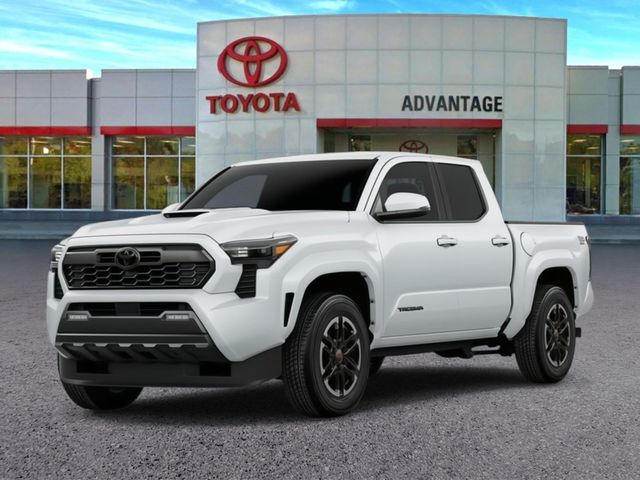
When evaluating used Toyotas, consider model availability, vehicle history, and dealership reputation. Toyota models are noted for durability and strong resale value. Purchasing through a reputable local dealer, such as Advantage Toyota, increases the likelihood of receiving a well-inspected vehicle and reliable aftercare. Focus on total cost of ownership, not just the purchase price, to ensure the best long-term value.
Start by setting a realistic budget that accounts for taxes, registration, insurance, and expected maintenance. Use online search filters to narrow inventory by price range, mileage, and model year, then shortlist vehicles for in-person inspection. Schedule test drives that include highway and local driving to assess comfort, performance, and any unusual noises. Request a vehicle history report and compare the car’s condition to the report before arranging an independent pre-purchase inspection if you want extra assurance.
Buyers can choose among several purchasing paths depending on budget and risk tolerance. Each option offers distinct trade-offs between price, warranty protection, and inspection coverage.
When choosing among these options, request and review all available documentation, such as service records and title history. If considering a non-certified vehicle, negotiate the right to an independent inspection or request that the dealer address specific items identified in a pre-sale check. Discuss potential warranty extensions and be clear about what is covered and for how long, so your expectations align with the actual protection you receive.
Choose a financing path that aligns with your budget and ownership goals. Compare pre-approval offers, dealer rates, and lease terms before committing to ensure predictable monthly costs and total interest paid.
When comparing financing offers, look beyond the monthly payment to total interest, term length, and any fees. A slightly higher monthly payment for a shorter term can reduce interest paid over the life of the loan and increase long-term savings. Consider how down payment amount affects monthly obligations and whether making a larger down payment improves available rates or reduces the need for gap or extended coverage products. If leasing, verify mileage limits and end-of-term charges to avoid surprise expenses.
| Financing Type | Structure | Key Benefits |
|---|---|---|
| Leasing | Fixed term, mileage limits | Lower monthly payments, new vehicles regularly |
| Financing (Loan) | Principal + APR over term | Own the vehicle, build equity |
| Special Promotions | Limited time offers | Reduced APR, favorable terms for qualified buyers |
Clear comparison of lease and loan terms reduces uncertainty and helps buyers choose the most cost-effective financing for their situation.
Regular servicing preserves reliability and safety. Follow manufacturer-recommended intervals and use authorised service centres to maintain vehicle condition and protect resale value.
Keep an organized record of every service visit, including invoices and technician notes. Consistent documentation not only helps with routine upkeep but also strengthens resale and trade-in negotiations. Ask the service department to explain recommendations in plain terms and to provide cost estimates for any non-routine repairs so you can plan and compare options. When possible, use genuine parts and factory-recommended fluids to preserve warranty coverage and long-term performance.
| Service Type | Description | Frequency |
|---|---|---|
| Oil Changes | Replacement of engine oil and oil filter | Every 5,000 miles |
| Brake Service | Inspection and replacement of brake pads | As needed, typically every 20,000-30,000 miles |
| Tire Rotation | Ensures even tire wear and prolongs tire life | Every 5,000-7,500 miles |
Consistent, scheduled maintenance extends service life and helps ensure predictable performance from a used Toyota.
Review popular models to match vehicle attributes with your needs. Consider space, fuel economy, and intended use when narrowing choices.
To match a model to your lifestyle, weigh typical passenger loads, cargo needs, and commute types. For example, a commuter who values fuel economy and compact parking may favor a Corolla, while a family needing flexible seating and cargo space may prefer a Highlander or RAV4. Truck buyers should consider bed size, towing capacity, and accessory availability to ensure the Tacoma suits recreational or work-related uses.
Trading in an existing vehicle can reduce the net purchase cost. Prepare by researching values and presenting maintenance records to support a fair appraisal.
Before visiting a dealer, clean the vehicle, remove personal items, and complete minor, cost-effective repairs that improve presentation. Gather service records, title documents, and spare keys to streamline the appraisal. If you plan to sell privately, compare the net proceeds after advertising costs and time investment to the convenience of a trade-in to determine the best route.
For details on used inventory or to schedule service, contact Advantage Toyota at Main: 516-887-2900, Sales: 516-596-8386, Service: 516-596-8381.
Effective search strategies include reviewing dealer inventories online and comparing listings by price, mileage, and model year to identify suitable options.
Set alerts for newly listed vehicles in your target category so you can act quickly on well-priced options. Visiting multiple dealerships and comparing in-person offers helps identify the best value, and it gives you leverage when negotiating. When considering private-party listings, be sure to verify maintenance history, title status, and arrange for an independent inspection before finalizing a purchase.
Common sedan choices include models that balance safety, efficiency, and cost of ownership.
Both sedans deliver dependable performance and favourable operating costs for commuters and small families.
Advantage Toyota applies a structured quality process to its CPO program to meet manufacturer standards. This process verifies condition and performance before sale.
Beyond the initial inspection, Advantage Toyota documents any required servicing and reconditions vehicles using genuine parts where needed. This level of preparation helps reduce the likelihood of immediate post-purchase repairs and supports a smoother ownership experience. Ask the dealer for a copy of the inspection checklist and any records of replaced components to understand exactly what work was completed.
Financing structures vary by term, payment schedule, and incentives. Compare lease terms, loan rates, and manufacturer promotions to identify the most advantageous option.
Ask about fees that may be associated with each route, such as acquisition or disposition fees on leases and loan origination fees for financing. If you have existing credit products or a relationship with a bank or credit union, compare those offers to dealer rates to confirm you’re getting competitive terms. Clarify early payoff penalties and the impact of refinancing should your circumstances change.
Selecting a CPO Toyota reduces ownership risk through verified condition and warranty coverage, improving confidence in the purchase.
These protections make CPO vehicles a practical choice for buyers seeking predictable ownership costs.
Select the model that aligns with daily driving patterns and passenger or cargo requirements. Use objective criteria such as fuel economy, safety features, and total cost of ownership.
Create a short checklist of must-have features (such as safety tech, seating capacity, or cargo flexibility) and a separate list of nice-to-have items. Use that checklist during test drives to compare how well each candidate vehicle meets your daily needs. Consider long-term factors like projected maintenance and insurance costs to avoid surprises after purchase.
Compare key attributes—space, fuel economy, and intended use—when choosing among the Camry, Corolla, and RAV4.
Each model provides specific advantages that align with differing driving requirements and household needs.
When selecting a hybrid, weigh fuel savings against potential long-term maintenance items such as battery care. Review service history and warranty coverage for hybrid components.
For hybrid candidates, request specific service records that document hybrid-system checks and any battery-related maintenance. Ask the dealer or seller whether hybrid components remain under manufacturer warranty or if extended coverage is available. Regular hybrid maintenance emphasizes software updates and electrical system inspections in addition to traditional mechanical checks, so make sure the service history reflects those items.
Advantage Toyota delivers manufacturer-standard maintenance through trained technicians and genuine parts, ensuring repairs and service adhere to Toyota specifications.
If you buy a used Toyota from Advantage Toyota, keep communication open with the service team to build a consistent maintenance relationship. They can advise on recommended intervals tailored to driving conditions and provide reminders for upcoming services. This proactive approach helps prevent small issues from becoming costly repairs and maintains the car’s market value.
Booking service is convenient via the dealership website or by phone. Provide your vehicle details and preferred times to secure an appointment that meets your schedule.
When scheduling, include any symptoms, warning lights, or recent events that may help technicians diagnose problems more efficiently. Ask whether loaner vehicles or shuttle services are available if you need transportation during longer repairs.
Routine inspections and timely repairs reduce the risk of major failures and protect resale value. Follow the recommended service schedule to maintain reliability.
Make maintenance decisions with an eye toward long-term ownership costs. Address rust, leaks, or unusual vibrations early, and retain invoices to demonstrate consistent care. This proactive approach typically results in lower ownership costs over time and a stronger position when trading in or selling your vehicle.
Customer feedback commonly highlights knowledgeable staff, transparent pricing, and a broad selection of inventory, which together contribute to a professional buying experience.
Advantage Toyota supports ongoing customer relationships through community engagement and structured service programs designed to encourage repeat business and local trust.
Current market trends include rising interest in hybrid vehicles for fuel efficiency and an increase in leasing activity as buyers seek flexibility and access to newer technology.
This guide provides a concise reference for Elmont residents evaluating affordable used Toyota options, covering purchase paths, financing considerations, and maintenance priorities.
Prioritise maintenance records, mileage, and accident history. Have a qualified mechanic inspect the engine, transmission, and body for wear or damage. Verify the title status and obtain a vehicle history report to confirm the car’s condition and ownership history.
During inspection, check for uneven tire wear, fluid leaks, and signs of poor repairs or repainting. Test all electronics, climate control, and safety features to ensure they function correctly. When in doubt, get a professional diagnostic scan to reveal stored fault codes the seller may not disclose.
Use valuation tools such as Kelley Blue Book or NADA Guides and compare local listings for similar year, mileage, and condition. This combination provides a realistic range for trade-in offers and negotiation benchmarks.
Also factor in optional equipment, service history, and local demand for the model when refining your target price. Prices can vary by neighborhood and season, so compare several comparable listings before making an offer.
First-time buyers should seek pre-approval from banks or credit unions to establish budget limits. Evaluate dealer financing programs that may offer lower APRs or reduced down payments, and consider leasing if lower monthly payments are a priority.
Shop multiple lenders to compare APRs and term lengths. If credit is limited, consider a co-signer or a shorter loan term with a higher monthly payment to build equity more quickly. Avoid buying add-on products that significantly increase financing costs without clear, necessary benefits.
Budget for insurance, routine maintenance, fuel, and occasional repairs. Hybrid models may incur higher long-term service costs for specific components such as batteries; factor those into the ownership cost estimate.
Plan for seasonal costs like tire changes and inspections, and keep an emergency fund for unexpected repairs. Regular maintenance helps reduce the chance of expensive breakdowns and protects resale value.
Advantage Toyota employs Toyota-trained technicians and uses genuine parts for routine maintenance and repairs. Services include inspections, scheduled maintenance, and repairs performed to manufacturer standards. Appointments may be scheduled online or by phone for convenience.
They can also provide maintenance reminders, explain recommended services, and offer options for repair timelines and parts, helping you prioritize necessary work while managing costs.
Dealerships, including Advantage Toyota, periodically offer incentives for hybrid models such as reduced rates or promotional leases. Contact the dealership directly to confirm current offers and eligibility criteria.
Because promotions change, ask a finance manager to detail current incentives and any qualifying requirements so you can compare available offers side-by-side before committing.
Prepare by researching market values and comparable listings. Present inspection findings and maintenance records during negotiation. Start with a reasonable offer below your target price and be prepared to walk away if terms do not meet your expectations.
Be clear about your budget and the maximum you’re willing to pay. Use competing offers and documented repair needs to support your position. If trading in a vehicle, negotiate the purchase price before discussing trade-in value to get the most transparent deal.
